Tulsa’s immigrant community used to count unfair pay and mistreatment by landlords among their biggest fears.
The landscape has drastically changed in recent years, as ramped-up federal immigration enforcement has resulted in higher mental health struggles among immigrants.
“Now you still have all of those stressors, but in addition to that there is this fear out there that they could just be targeted by ICE or law enforcement in a way that previously wasn’t being done,” Jennifer “Jenny” Franklin, behavioral health director for Tulsa’s Community Health Connection, said of U.S. Immigration and Customs Enforcement.
Franklin has worked with the immigrant community for over 15 years. She’s noticed the change in her clients.
“People who, regardless of their status, are afraid sometimes to even go to the grocery store or go to the doctor’s office or go pick up a prescription or go to work,” she said. “It’s a cultured fear in everyday life activities.”
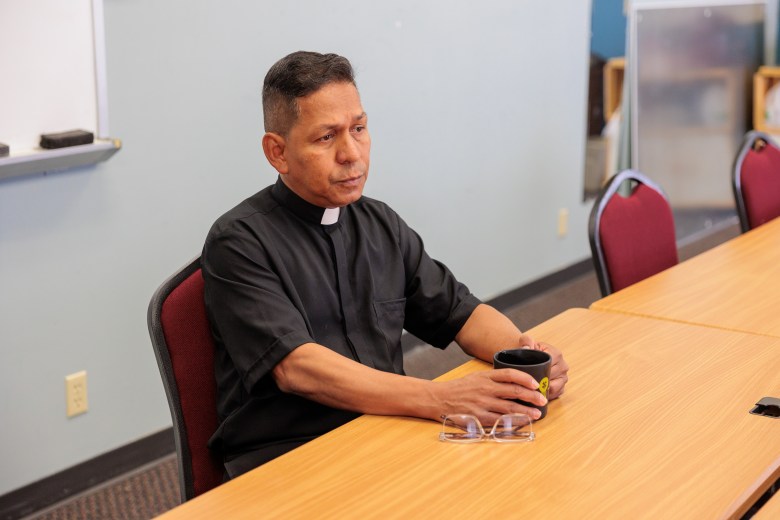
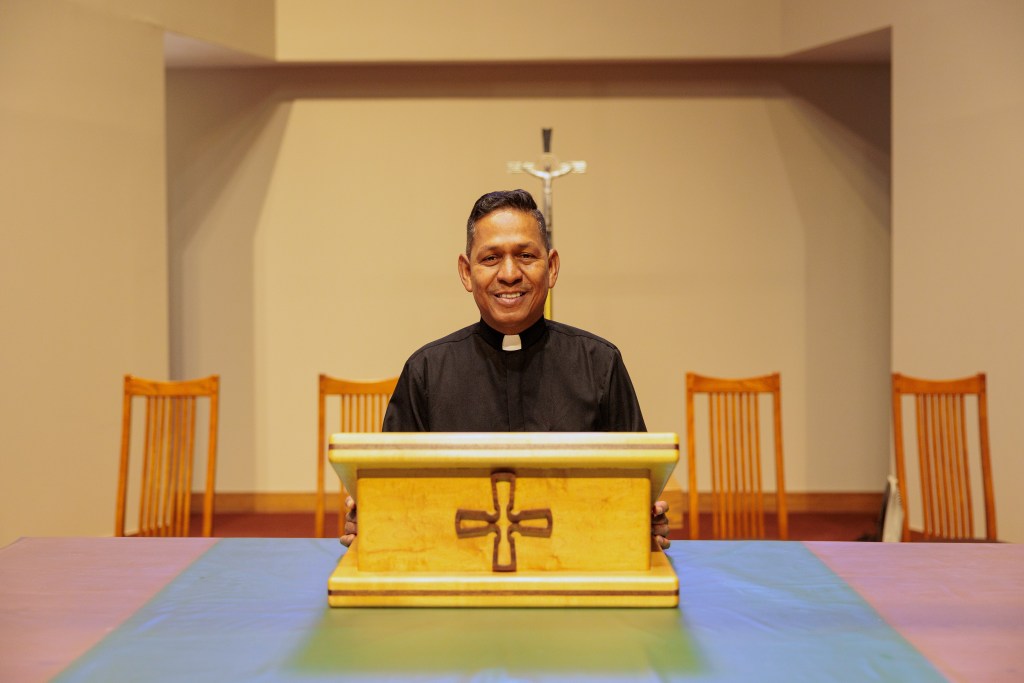
The Rev. Alvaro Nova Ochoa has witnessed this firsthand at his south Tulsa congregation over the past year and a half. Ochoa still sees similar fears that began when President Donald Trump retook office in early 2025.
“They stopped sending students to school,” Ochoa said. “We started missing a lot of our members on Sunday for more than six months or even one year. The number was really very significant.”
The anxiety began on Trump’s first day of office on Jan. 20, 2025, when he signed a flurry of executive orders centered on immigration. A slew of other federal actions has followed, deepening fears in the community, Ochoa said.
One order revoked enforcement guidelines dating to 1993 that required high-level approval for immigration agents to enter faith institutions, schools and healthcare facilities. That is facing court challenges.
Another restricted birthright citizenship, which grants citizenship to children born on U.S. soil regardless of the legal status of their parents. The order was ruled unconstitutional by the U.S. Supreme Court in June. Trump issued another birthright citizenship restriction order two months later, which was blocked by a federal judge.
“I have a lot of moms asking me about birthright (citizenship) because people are so confused,” Ochoa said. “Some people are thinking the best thing is to start selling things and prepare to leave. The fear has increased.”
Recent policy changes are causing immigrants to develop mental health-related disorders such as insomnia and panic attacks, Franklin said. Moving to a new place, much less a new country and culture, can result in anxiety due to challenges such as not speaking the language fluently or feeling targeted by others for their backgrounds.
Even immigrants who have lived in Tulsa for 30 years are showing symptoms of trauma, Franklin said. That can result in helplessness, dissociation, confusion and other disruptive emotions, according to the American Psychological Association.
“It starts to feel like ‘this isn’t home anymore,’” Franklin said.
American identity is shifting away from being a welcoming place in the eyes of immigrants, Ochoa said.
“The United States is a place of fear and persecution,” he said.
The youth in his congregation are showing increased signs of depression, Ochoa said. He spoke of a 16-year-old who cried daily for two weeks out of worry about immigration enforcement.
“She said, ‘I don’t want to leave. I don’t want to go to Venezuela. That’s just crazy. I don’t know anyone there,’” Ochoa said. “The teenager is really scared, more than Mom and Dad.”
Children witnessing a loved one being apprehended and deported can be left traumatized and unable to reach developmental milestones on time, Franklin said. They become worried for their family members while they’re in school.
“It’s very hard for families to shield the reality of these changing policies from their children. Even if they don’t allow the kids to watch the news, it’s on social media; it’s everywhere,” she said. “They go to school and hear about it.”
Everyone is affected by the ever-present videos of officer raids and arrests, including some high-profile deaths. Between June 2025 and Nov. 3, 2026, immigration agents have killed nine people, injured 15 others and had at least 50 incidents of holding bystanders, protesters and others at gunpoint under questionable circumstances, according to The Trace.
“In terms of mental health, it can cause anger for people whether or not they’re directly affected. It can cause a lot of anger to see injustice is happening,” Franklin said.


This article was produced as part of a partnership between the Tulsa Flyer and La Semana, a Tulsa-based bilingual Spanish-English newspaper serving Latino communities in Oklahoma.
News decisions at the Tulsa Flyer are made independently of our board members and financial supporters. Read more about our editorial independence policy here.