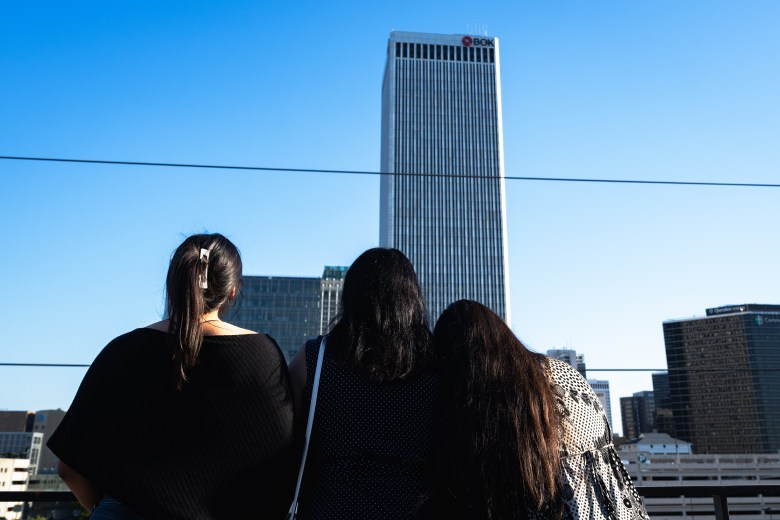
When driving around Tulsa, Aracely used to glance back at her kids in the rearview mirror to make sure they were all right. But now, in her immigrant family, it’s her eldest daughter checking in on her, the undocumented mother who rides as a passenger.
Aracely’s daughters, Daniela and Cece, are U.S. citizens and young adults. Tulsa Flyer is not using their real names for fear of deportation.
It’s been two years since President Donald Trump was elected to his second term on promises of ramping up immigration enforcement around the country. His administration has deported around 1 million people since.
In and around the Tulsa metro, law enforcement agencies are signing 287(g) Task Force Model agreements, which deputize local officers to interrogate and make warrantless arrests of individuals suspected of being in the country illegally. As the agreements have expanded, so has the number of immigration arrests in Oklahoma.
Tulsa’s immigrant community faces heightened fears of deportations, with some reporting firsthand experiences of detainment and arrest to deportation.
Immigrants living in Tulsa who must appear in the federal immigration administrative court system must travel to Dallas, which is the fifth-busiest such court in the nation, according to the Transactional Records Access Clearinghouse.
The Dallas court offers a view into the number of immigration cases the Trump administration has processed. The court’s deportation case numbers have been on the rise for the last few years. In August, 9,339 deportation cases were filed in that court. The backlog in the Dallas system is at 135,206 cases.
Immigrants do not have a right to counsel, and 75% of those in the Dallas court appear with no attorney. Of the cases filed, 59% of people are accused of entry without inspection but do not have an accompanying criminal charge.
In this family, a mother’s fear and daughters’ burden have evolved as threats of deportation rise. They’ve experienced role reversal: Aracely relies on her children, while Daniela and Cece have stepped in as caretakers.
Just as Aracely expected to watch her daughters become adults, once-clear plans for their future have gotten murkier. The family members must make difficult choices, and yet they sometimes feel like choices are being made for them.
“It’s a hard decision to make (to emigrate), but even if I wanted to leave or voluntarily deport, it would be like leaving our kids here and cutting their wings and their opportunities,” Aracely said in Spanish.
Choices she made
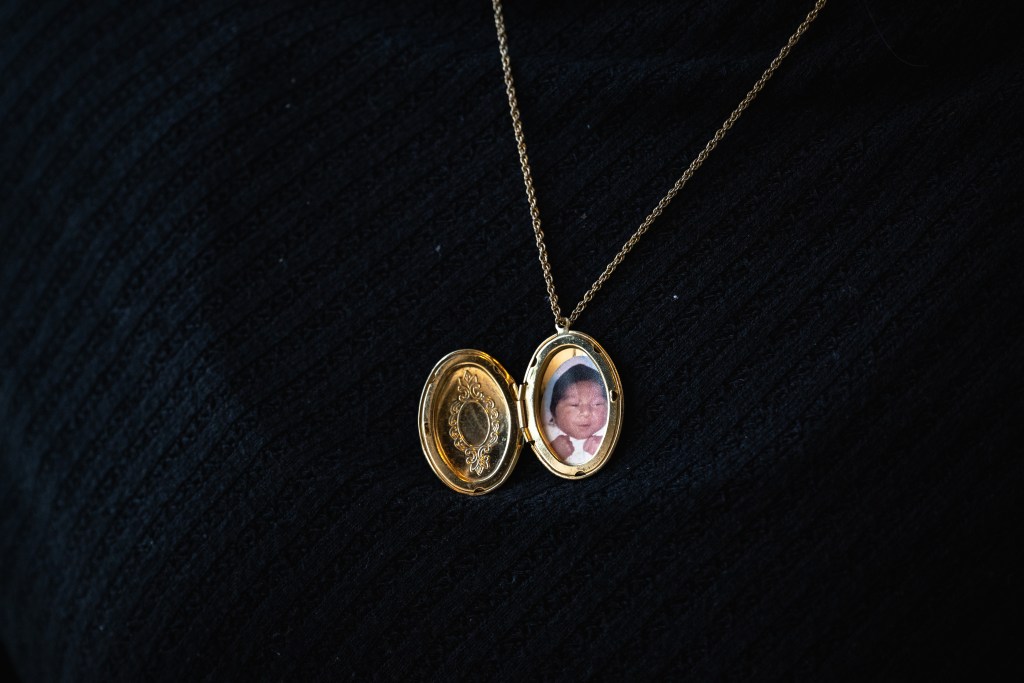
Aracely’s biggest fear is being separated from her children. Family unity is what led to the decision to move to the U.S. from Mexico. Her husband arrived first, leaving her behind with their newborn son.
When he returned about three months later, his son no longer recognized him. Aracely didn’t want her child to grow up without a father.
“I told him, ‘If you go, you take us with you, or we’re separating because I can’t continue like this,’ because it was too hard, the separation,” she said.
In 1999, she entered the U.S. illegally with her family. Aracely was 19, and she didn’t know it was a crime not to have paperwork.
“We immigrated for a better opportunity, a better life and a better education for you,” she remembers telling her son.
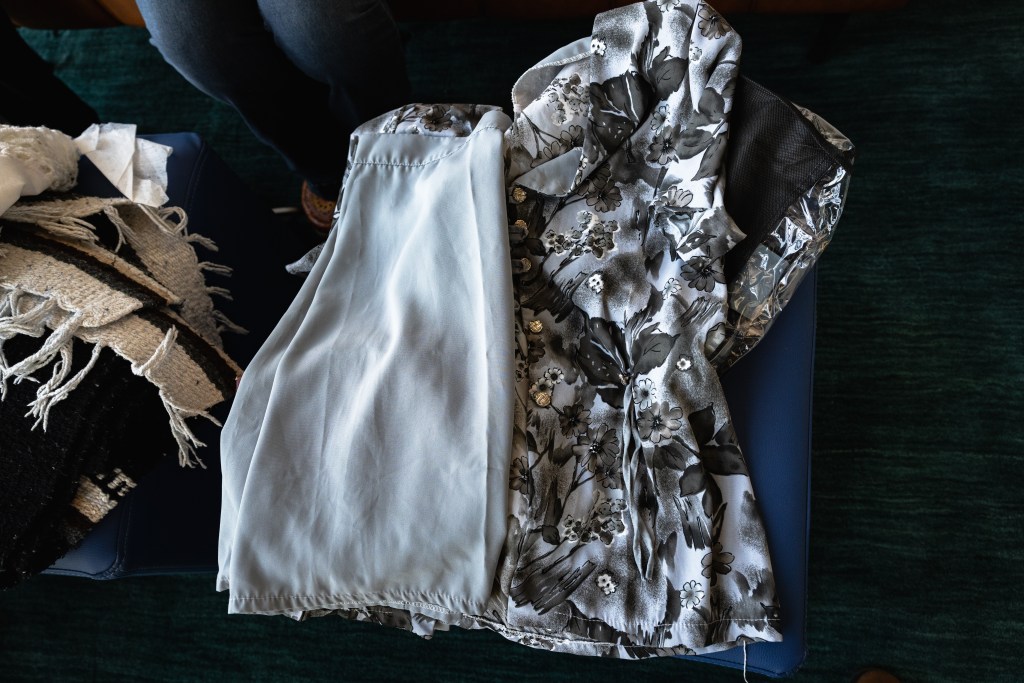
During the next few years, the aftermath of their choice became a reality. They witnessed immigration enforcement in Tulsa for the first time: Family members were detained, and others decided to return to Mexico. She taught her undocumented son what steps to take if his parents didn’t return.
During those early days of immigration enforcement, Aracely said, they would still travel to parks and surrounding states for fun outings with her family.
Even though they were afraid, Aracely said, Daniela had already been born in the U.S., and separating her family was not an option. In 2012, she made the choice to sign up her son for the Deferred Action for Childhood Arrivals program, known as DACA.
The temporary relief program, which must be renewed every two years, protects undocumented immigrants who arrived in the U.S. as children from deportation. While it provides work authorization, DACA is not legal residency or a path to citizenship — and it is subject to the whims of the federal government. Under Trump, the DACA program is not accepting new applicants and only processes renewals for current recipients.
Some family members thought DACA was a bad idea, believing it could lead to deportation, since participants have provided sensitive information to the federal government. But Aracely saw it as a choice to continue being “good citizens,” just like how she pays taxes annually.
Those days felt different from now. The fears were always there, but she feels more targeted as a Hispanic woman under Trump’s second term, referring to a ruling on racial profiling. The Supreme Court ruled last year that immigration officers can stop people based on their perceived race, ethnicity, English-speaking abilities, type of work and location.
“It’s like we’re in hiding,” she said. “But now we know it’s a crime to be here illegally, but when we came we didn’t know it was a crime. We only came looking for a better future.”
In recent years, she has tried to change her legal status. Once Daniela turned 21, she thought she could file for a family-based petition, which allows U.S. citizens to apply for a family member to obtain citizenship. But an attorney told her it would be extremely difficult to do so.
“We have tried being good citizens, working and not getting into trouble,” Aracely said. “And that’s what we’ve taught our children — to be good citizens, and it doesn’t matter where you’re at, and to respect authorities. Even though we’re not from here, we have to have rules.”
Choices made for them
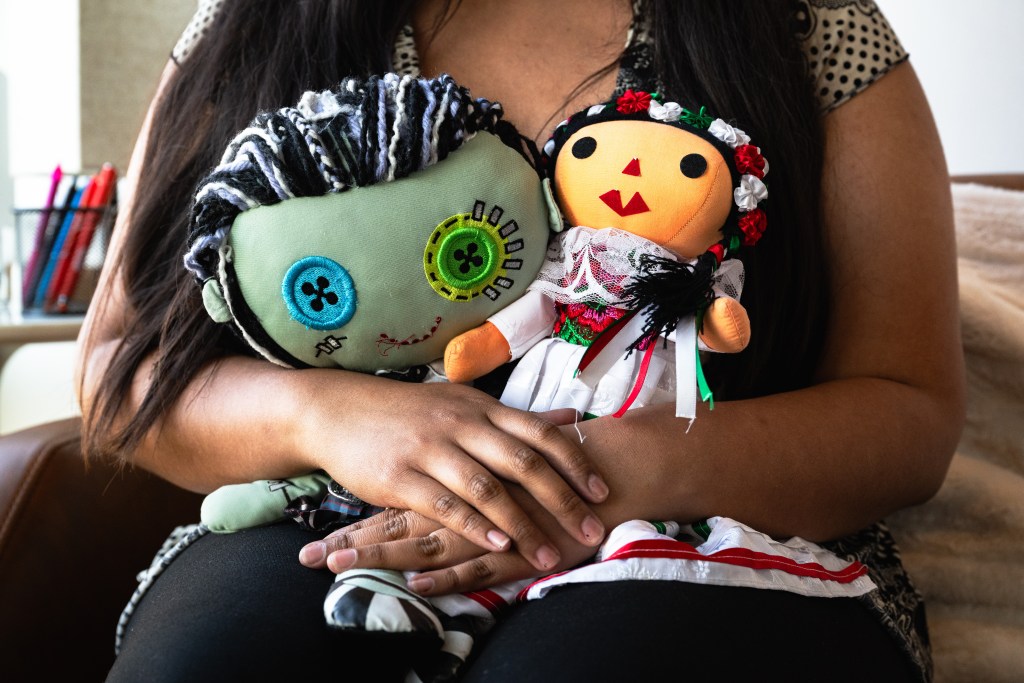
For just a brief moment, Cece wondered whether her mom was a criminal. After discovering what a driver’s license was, she had asked to see her mother’s. She responded: “No tengo papeles” — I don’t have papers.
Cece reassured herself: Her mom wasn’t a bad person. But she began to question why innocent people who are “just living” were at risk of being taken away.
Daniela always knew something was different about her family. She’d watch her parents try to help friends who were stopped by police officers. When Daniela was in the third grade, her mom showed her what to do in case they didn’t come home one day.
“Since you’re one of the older siblings, you’re in charge,” Daniela remembers Aracely saying.
As daughters, Cece and Daniela say they had to mature faster than their brothers. They are closest with Aracely, who showed them family recipes, how to clean the house and where their documents were.
During their teenage years, they knew money was tight, which made it challenging for Cece and Daniela to hang out with friends, causing those relationships to be cut short. One thought always lingered: Why did they get to do so many things their parents couldn’t?
“We stayed isolated at times,” Cece said. “We were just scared that it would happen again, so we stopped trying at some point.”
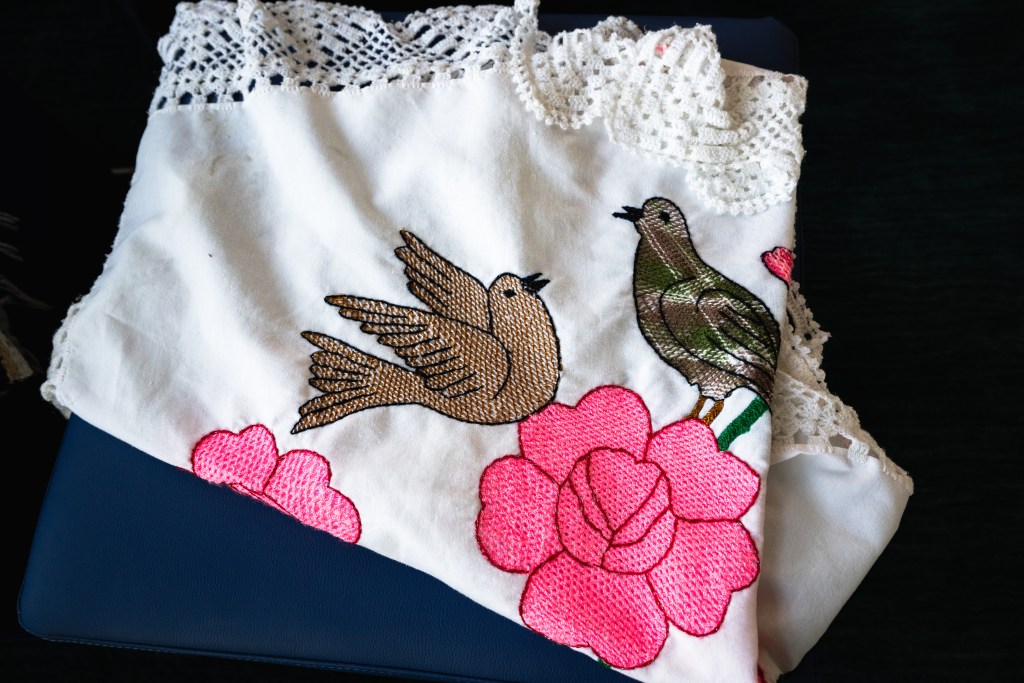
Aracely made clear that education was the way out. She’d always say things like “estudia” (study) and “échale ganas” (keep going). Daniela didn’t want to throw that away and became the first in her family to graduate from college.
But maturity brought more sacrifices. Daniela was away at college when her father was pulled over once. She felt helpless, crying, hoping and praying that everything would be OK. She said she still feels guilty for not being able to support her family more at the time after her father was taken into custody and later released.
Now Cece’s going away to college, and the same decision Daniela faced before weighs heavily on her. It feels like a betrayal to have to pass the baton of responsibility onto the next sibling, again.
“I just won’t be with my parents 24/7 like I always have,” Cece said.
Not all is lost
Nowadays, Aracely works cleaning apartments, but that wasn’t her dream. She wanted to launch a restaurant, but today’s immigration landscape put that on hold. Afraid to drive, she waits for one of her daughters to pick her up when she’s done. It’s their new routine.
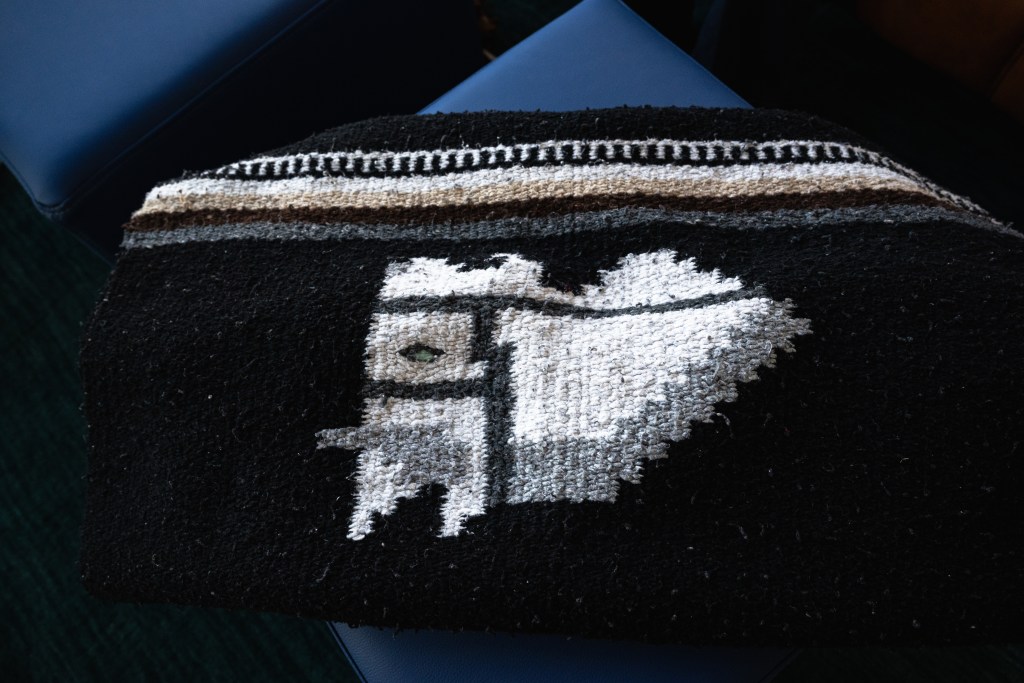
Daniela is pursuing law school in honor of her parents’ choices. She is always up to date on who might need help, driving friends and family who are afraid to because they’re undocumented.
“With all the sacrifices that they’ve made and all the sacrifices that I’ve made, sometimes it feels like it really isn’t up to par,” Daniela said.
Cece is halfway through her undergraduate degree and tries to fuel guilt into action. She takes pamphlets about food pantries and baby supplies for people who need them. Like her sister, she connects other immigrant families to Tulsa resources.
As for Aracely, she finds strength in God. She tells her children not to worry and to have faith. Her God knows when this will end, and, if he permits, she and her husband will be here supporting the family they raised.
“God has control,” she said softly.

News decisions at the Tulsa Flyer are made independently of our board members and financial supporters. Read more about our editorial independence policy here.