

The Tulsa-based Community Health Connection once had a Spanish version of its name online: “La Conexión Medica.”
It disappeared from the organization’s website earlier this year — though the title remains on the clinic’s outdoor signs.
More than 85% of Community Health Connection clients are Spanish-speaking, so CEO Kate Neary knew it was a hard decision to make for the organization, but they wanted to make sure everyone envisioned their facilities as safe spaces. Her leadership team knows its biggest referral source is word of mouth, and they believed rebranding wouldn’t derail them.
But serving immigrant communities in 2025 means many eyes are watching — and organizations are responding with changes to websites and outreach strategies.
“We know that certain types of organizations are being scrutinized a little more than others, and I wanted to try to avoid that as much as we can for Community Health Connection and make sure that we’re being as responsible and proactive as we can,” Neary said.
Tulsa-based organizations serving immigrant-communities have tailored the language used on their flyers and are more careful about the information they provide online and in their buildings amid President Donald Trump’s campaign to deport millions of people living in the country illegally.
Tulsa hasn’t seen the same level of immigrant enforcement compared to other major cities, according to local law firms. The community still remains fearful, though. Several organizations have declined media coverage of events where immigrants are present, including El Centro, a Tulsa organization focused on empowering migrants.

Groups across Oklahoma say they’ve pivoted their outreach efforts to protect themselves, their clients and communities they serve. In his first 100 days, Trump removed “safe spaces,” where immigration agents could not enter for any reason, including hospitals, churches and schools, bringing up questions around private versus public spaces.
“Even though we had been through the Trump administration before, a lot of the tactics under this administration is just chaos and fear-mongering and it’s sometimes a little hard to prepare for just chaos,” said Robin Sherman, director of legal services at YWCA Tulsa, which provides resources to immigrants and refugees. “That’s still something we’re doing (this fall), is continuing to manage the chaos.”
Altering language
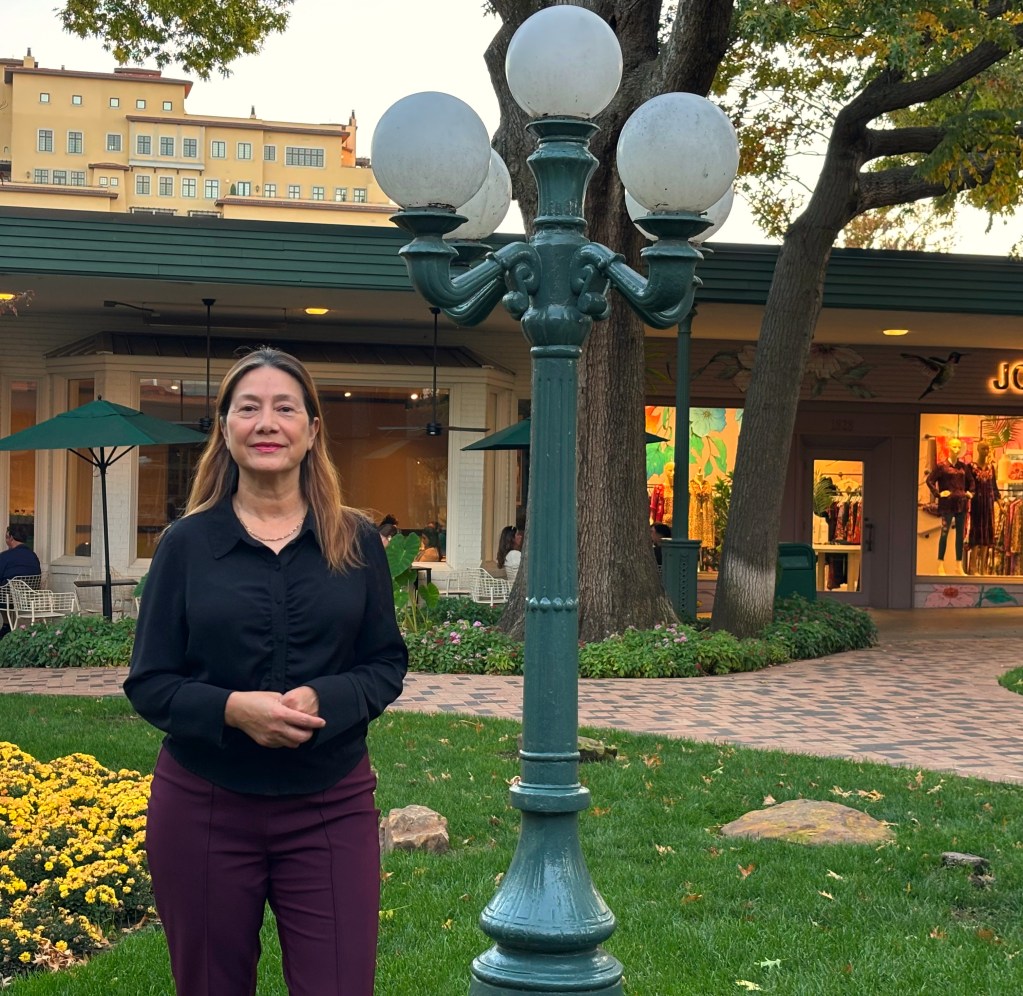
Blanca Zavala, a founding member of Frente Unido, has been careful in choosing language when providing information to individuals about their rights as immigrants. Frente Unido hosts forums for immigrants to have community dialogue with lawmakers and law enforcement.
She’s careful to use language that doesn’t come off harmful to anyone. Ultimately, she wants to protect herself as an organizer and the community.
“This administration is focused on attacking everyone,” Zavala said. “So, even those with pure intentions to help, someone could, unfortunately, use the wrong word and get mixed up without even having the intention to say it and cause harm.”
Organizations, such as YWCA Tulsa and immigration law firm Rivas & Associates have avoided language such as “if you’re undocumented.” They no longer use the terms “immigration cases” and “newly arrived” when promoting services.
Molly Bryant leads a coalition of immigrant-serving organizations. She said they will not publicly brand themselves or list the organizations involved to prevent them from being targeted by the Trump administration.
“We aren’t necessarily just outwardly naming everyone who’s in it because it’s a lot of people doing frontline work,” said Bryant, who also serves as YWCA Tulsa’s senior director of immigrant and refugee services. “We don’t want them to be targeted for doing this work.”

Meanwhile, Rivas & Associates often considers the information they place on flyers for upcoming events, said firm spokeswoman Maria Carmona Hernandez.
The Rivas & Associates team often discusses how to place information in the hands of people who actually need it — and to avoid it falling into the “wrong hands,” or someone who doesn’t agree with them, she said.
“We don’t want it to lead to where there’s somebody out, like, God forbid, going on a microphone yelling things when usually these community events or these forms, there’s children present,” Carmona Hernandez said. “We definitely want it to be somewhere safe and trying to avoid that chaos.”
Changing internal operations
Community Health Connection, which operates four health centers across Tulsa, has instructed its staff on how to respond to an immigration agent coming into the center, Neary said.
That hasn’t yet happened, but staff know the difference between public and private places at their sites as well as who staff should call if an immigration agent shows up in person.
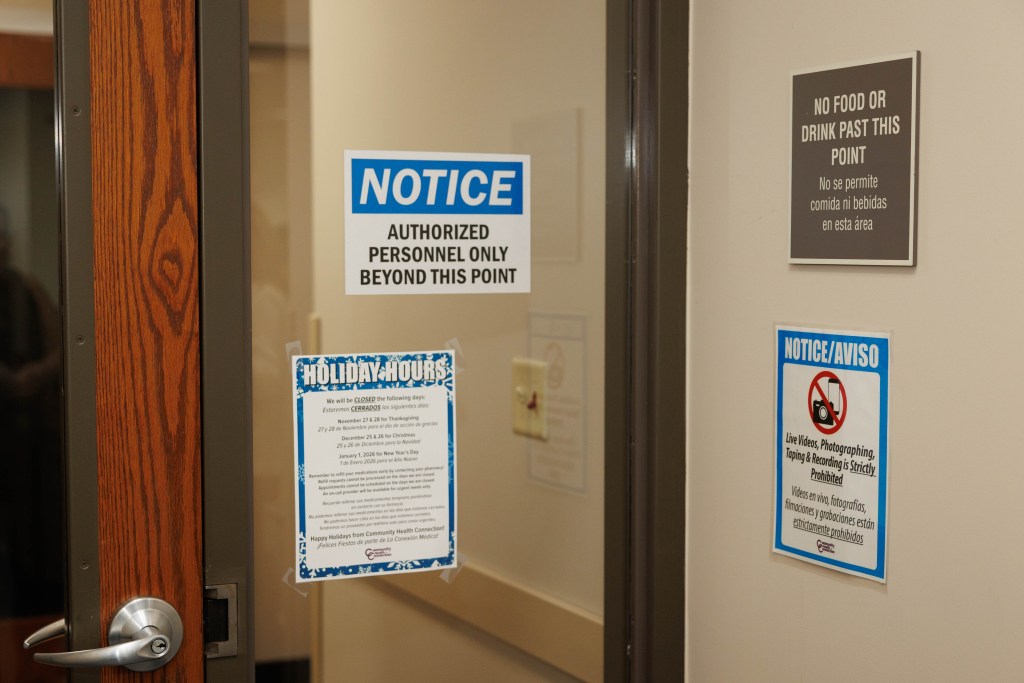
Private places, such as clinical areas of the facility, now have signage stating: “authorized personnel only beyond this point.” The policy was always in place, Neary said, but now it is clearly showcased for others to see.
“Nobody knows exactly what that would look like, you know, if it were to ever happen,” Neary said. “We have no reason to believe that it will, but we just want everyone to be as prepared as we possibly can.”
Rivas & Associates has expanded its immigration team since November, Carmona Hernandez said. The firm also shifted its in-house teams to learn more about different types of immigration litigation.
During the first Trump administration, YWCA noticed many people wouldn’t show up to larger Know Your Rights sessions, said Sherman, the legal services director.
“The people who would come to those types of events prior to the Trump administration were not coming to these events because they were afraid,” she said. “So, that realization made us pivot in how we get information now. We knew that, coming into this administration, we wouldn’t want to have any type of public gathering.”
Increasing educational sessions
Since October 2024, roughly 30 organizations across Oklahoma have come together to create a coalition focused on changes around immigration. The group, which features roughly 17 Tulsa-based organizations, includes lawyers, social workers and others who support and educate each other about immigration policy.
Through the coalition’s education efforts, both within the group and to the community, Bryant has noticed increased knowledge in immigrant rights.
“We will go out and do ‘Know Your Rights’ (sessions) and the number of people who actually are like, ‘Oh, yeah, isn’t there a difference between a public and private space?” she said. “That did not happen 10 years ago. No one asked that question.”
Anytime Rivas & Associates hosts an informational event or attends one, they strive to make it a safe space, Carmona Hernandez said.
“So I think that’s like a big thing — a lot of the organizations we’re all trying to find safe places or at least be trusted sources that the community members feel comfortable going to,” she said.

Meanwhile, Community Health Connection continues to operate as usual. It follows guidelines used by other health centers across the country, including not asking about citizenship status, Neary said.
The organization has one message it’s trying to reinforce to staff and patients.
“This is a safe place to receive care,” Neary said.
Lea este artículo en español aquí.
This article was produced as part of a partnership between the Tulsa Flyer and La Semana, a Tulsa-based bilingual Spanish-English newspaper serving Latino communities in Oklahoma.
News decisions at the Tulsa Flyer are made independently of our board members and financial supporters. Read more about our editorial independence policy here.