



Across the Tulsa metro, dozens of law enforcement officers now have federal authority to make warrantless immigration arrests as part of the 287(g) program. The Tulsa County Sheriff’s Office drew the line at certifying patrol officers, but other local law enforcement agencies aren’t following the same path.
Under the 287(g) program’s Task Force Model agreement, local law enforcement officers certified with the Department of Homeland Security are given the authority to interrogate and make warrantless arrests of individuals suspected of being in the country illegally, among other permissions.
Oklahoma has largely embraced the 287(g) program under the Trump administration, with more than 100 law enforcement agencies having signed agreements, some dating back to 2020. The vast majority are Task Force Model agreements, but some counties have Warrant Service Officer or Jail Enforcement Model agreements, which Tulsa County signed in June 2020.
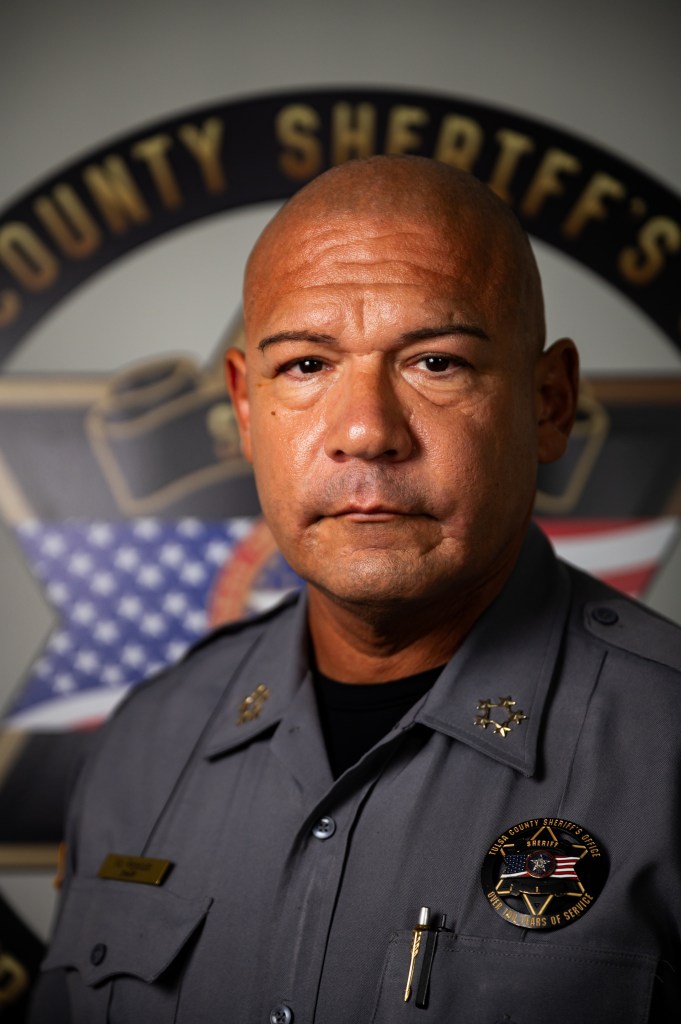
In mid-August, Tulsa County Sheriff Vic Regalado told the Flyer nine deputies are certified under a Task Force Model agreement he signed in July. Six are assigned to the Drug Interdiction Unit and three to Homeland Security Investigations — but none are on patrol. The sheriff said no patrol deputies will be certified in the future either.
However, the Bixby Police Department — which signed its Task Force Model agreement April 30 — has 41 officers certified under the agreement with ICE, including the patrol division and investigators.
Officer Levi Ethridge, a spokesman for Bixby PD, said in a statement to the Flyer the department is focused on individuals being investigated for crimes outside of their immigration status.
“The intent is to support public safety and interdict criminal activities by addressing criminal conduct as our primary role, while ensuring the 287(g) authority is applied lawfully, fairly, and consistently when a violation of Federal law is verified,” reads the statement.
The Collinsville Police Department, which finalized its agreement April 22, has 12 patrol officers certified in addition to a detective and some administrative staff.
In a statement to the Flyer, Collinsville Police Chief Matt Burke said his department’s agreement with ICE provides officers with more tools to “do the job they are already doing.”
“Officers have access to more information for identifying individuals we may come in contact with during the normal performance of their duties,” Burke said. “Officers have complete discretion over how they conduct their stops, but our officers now have access to more information which allows them to make more informed decisions on how to proceed.”
Drumright Chief Chris Reinke said none of his officers have been deputized with ICE since signing the agreement Aug. 7. In the town of about 2,500, every officer on the force — even the chief occasionally — works patrol.
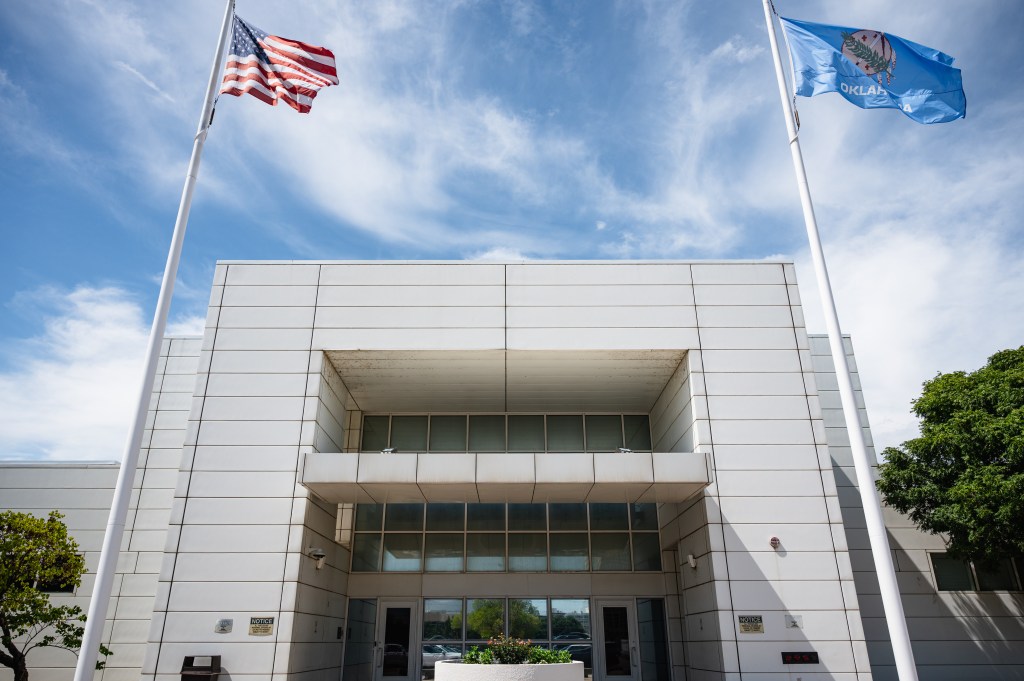

Meanwhile, ICE’s list of participating local law enforcement agencies shows the Sperry Police Department signed a Task Force Model agreement Aug. 14, but Chief Nick Mahoney told the Flyer its agreement with the federal agency is on hold pending a legal review.
“The Town wants to ensure that any agreement entered into is in the best interests of the Sperry Police Department, the Town, and the citizens we serve,” reads a statement from Mahoney. “The purpose of the legal review is to further clarify the role Sperry police officers would have under the agreement, as well as the associated responsibilities, liabilities, and potential benefits.”
As immigration arrests have surged in recent months, a growing share have been conducted by local law enforcement partners, according to an Aug. 27 New York Times analysis of ICE data. On average, about 14% of all ICE arrests now come from local agencies participating in the 287(g) program.
Other law enforcement agencies in the Tulsa metro that signed Task Force Model agreements with ICE under 287(g) this year include:
- Bristow Police Department since June 15;
- Catoosa Police Department since Aug. 11;
- Chelsea Police Department since March 6;
- Creek County Sheriff’s Office since April 17;
- Kiefer Police Department since April 29;
- Mannford Police Department since June 12;
- Mounds Police Department since April 13;
- Oologah Police Department since July 3; and,
- Rogers County Sheriff’s Office since May 31.
The Flyer reached out to these departments for comment but none responded prior to publication.
Immigration attorneys: ICE agreements could have ‘real downside’
Eddie Erwin, a longtime Tulsa immigration attorney who founded Erwin Law Office, said law enforcement agencies should weigh whether 287(g) agreements benefit their community members.
“There could be some downside to this, some real downside,” Erwin said. “In the past it has been shown to lead to racial profiling, and has in many instances caused a decrease in the trust between the immigrant population and the law enforcement agencies.”
Like Erwin, Lorena Rivas, senior immigration attorney at Tulsa’s Rivas & Associates, expressed concerns about racial profiling under Task Force Model agreements, particularly within small towns.
“It’s unfortunate because we know in these small towns there is a lot of racial profiling,” Rivas said. “People are quick to arrest individuals who look like they’re undocumented or like they’re immigrants.”
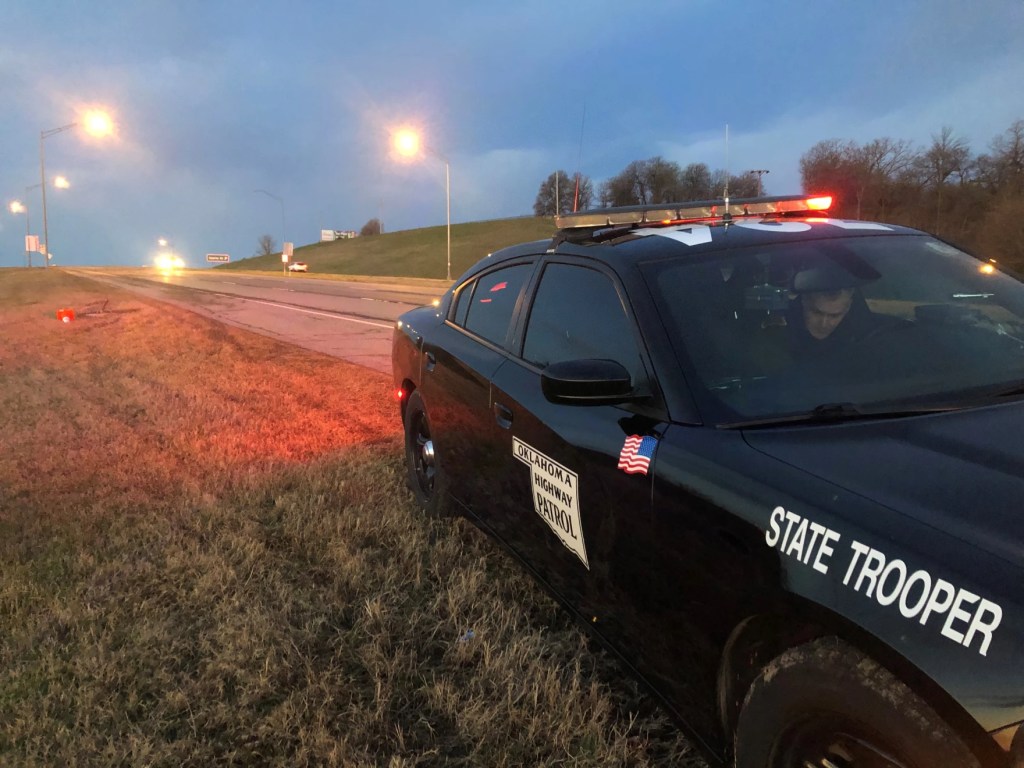
Erwin noted sheriff’s deputies credentialed with ICE would not be on patrol and referenced Regalado’s past statements about the value of law enforcement communicating with Tulsa’s immigrant communities.
“Regalado has said that he recognizes this: You could really hurt the community’s trust with law enforcement,” he said. “If they’re worried about law enforcement doing immigration duties, they may not be willing to report crimes, they may be hesitant to talk to law enforcement officers. That’s our concern.”
However, Rivas believes immigrant communities will not differentiate between law enforcement agencies that certify their patrol officers with ICE versus those who do not. The Tulsa Police Department does not have a 287(g) agreement with ICE, but those arrested are subject to immigration screenings once they are processed at the county’s David L. Moss Criminal Justice Center.
“I’ve always thought Tulsa is safe. It’s a safe haven because of Tulsa police — they’re not arresting with those reasons, and the sheriff’s office as well … but yeah, I don’t think the immigrant community will know how to distinguish it,” Rivas said. “It’s just such a gray line, I think.”
News decisions at the Tulsa Flyer are made independently of our board members and financial supporters. Read more about our editorial independence policy here.
