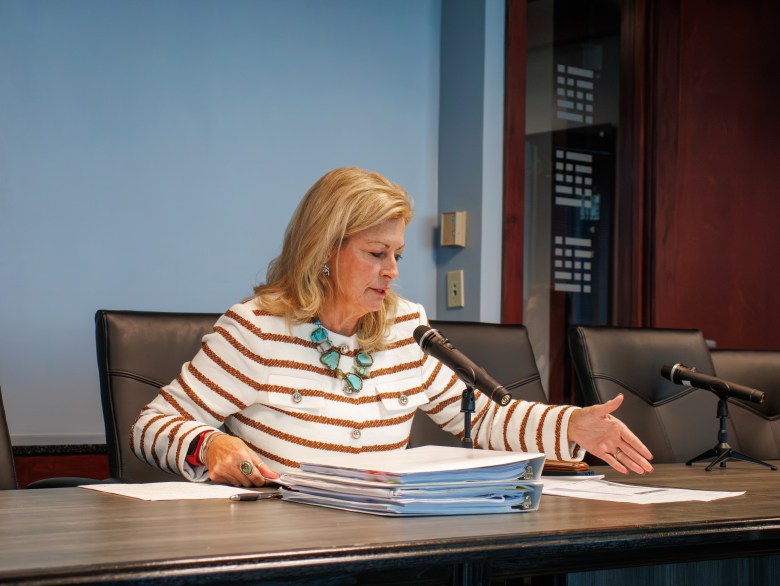
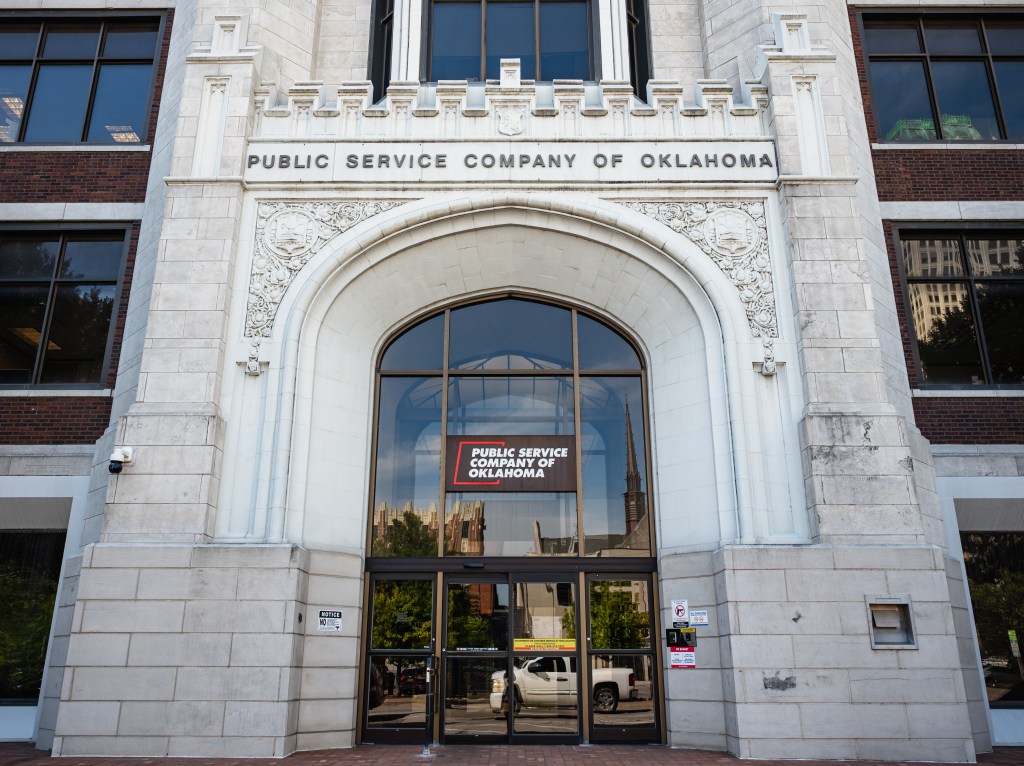
The weather may be cooling down, but Oklahomans won’t be seeing relief on their electricity bills. Oklahoma Corporation Commissioners voted 2-1 to approve another set of Public Service Company of Oklahoma rate increases Nov. 5, nearly one year after the case was filed and officials delayed a decision earlier this week.
Commissioner Brian Bingman’s office drafted the proposal at the end of October, after months of customers paying interim increases, a proposed settlement agreement and hours of hearings. Bingman and Commissioner Todd Hiett approved the proposal, while Commission Chair Kim David voted to deny it.
“This has probably been the most difficult rate case that I’ve had before me because there’s so much going into it, we have so much growth in Oklahoma,” David said.
Residential customers will not get refunded for each month they paid the nearly $11 extra, which began in July, David told the Flyer. Instead there will be a slight increase to what residents are paying now because commissioners allowed PSO to recover more from them.
Industrial customers, however, will receive refunds. By Oklahoma law, refunds must be completed in the next 90 days after new rates are in effect, said Bingman. PSO spokesman Matt Rahn said the refund would come as a bill credit on customer accounts.
The Flyer asked David for the total bill impact on residents. She said we won’t know that exact number for another six days, which is PSO’s deadline to publish its final update.
What we do know is this rate case approves a 3.55% overall increase on residents, David said. This is not on top of what residents are paying in interim rates now, so they will end up paying “just a little bit more,” she added.
As many large-load projects — like data centers — come online over the next few years, PSO said it will need more dollars to build and meet that demand. Commissioners disagreed on how to grant that.
David came to the Nov. 5 meeting with a proposal of her own: approve PSO’s request to expand a rider and adopt a new way for calculating how the utility company gets electricity to its wind and solar customers. She says this would not add any additional cost on the ratepayer and tremendously lower rates for residents.
Riders are the extra charges on your electricity bill that aren’t part of your monthly usage. Those dollars help PSO recover costs it already fronted, and you’re paying for a number of PSO facilities with them now.
Bingman and Hiett disagreed, ultimately denying PSO’s request to expand riders. Hiett said it would’ve allowed PSO to collect around $331 million instead of $65 million, or an increase of more than five times what it is now. He worried about how to make sure what PSO billed was fair and accurate.
“When you’re dealing with such a massive increase and such a dynamic time in terms of the expansion of not only the grid but generation, etc., I think it just begs for more scrutiny on these costs,” Hiett said. “The three of us are responsible for Oklahoma ratepayers.”
Republican lawmaker Brad Boles will replace Hiett, who’s termed out, next year. In Tuesday’s midterm election, Boles won 59% of the vote against Democratic candidate Rhonda Eastman.
All commissioners, however, agreed on approving a large-load tariff with plans to circle back later. It establishes a new rate class and separate terms and conditions for large-load customers putting more than 75 megawatts on the grid — equivalent to at least 30,000 homes.
How commissioners plan to regulate that new class has not been solidified. PSO is aiming to address rising concern over data centers, many of which would count as large-load customers. A law passed earlier this year requires electricity suppliers to create separate terms and conditions for large-scale customers like data centers and crypto mining operations.
“What we have in this order for the large-load is great,” David said. “It does protect the ratepayers.”
Bingman said perhaps the most important, complex issue in the entire rate case was the concept of BYOG (bring your own generator). There were three options for the large-load tariff: Bring your own generation, use PSO for generation or a combination of the two.
Commissioners wanted additional study on the BYOG issue. David said they want to ensure large-load customers who hook up to the PSO grid pay generation costs and aren’t getting a free ride on the system.
The Oklahoma Corporation Commission will convene Jan. 12 to discuss the Oklahoma Gas & Electric large-load tariff in another case.
News decisions at the Tulsa Flyer are made independently of our board members and financial supporters. Read more about our editorial independence policy here.