


Tulsa Public Schools is recommending closing 14 elementary schools, two middle schools and one alternative program as the district works to cut $12 million in the face of a major budget deficit.
The district shared a list of the proposed closures at Monday night’s school board meeting in front of a packed audience. The recommended closures include Anderson Elementary, Bell Elementary, Dolores Huerta Elementary, Greenwood Leadership Academy, Hoover Elementary, Kerr Elementary, Key Elementary, Marshall Elementary, Mitchell Elementary, Peary Elementary, Robertson Elementary, Sequoyah Elementary, Springdale Elementary, Unity Learning Academy, Central Middle, Thoreau Demonstration Academy and Tulsa MET Middle and High Schools.
Additionally, the district is proposing Central High School becomes an alternative high school hub and Felicitas Mendez International relocates to the Anderson building. Elementary to secondary school pathways would also shift for some schools that remain open.
The district estimates the closures, if approved, will impact 4,726 students from 4,037 families.
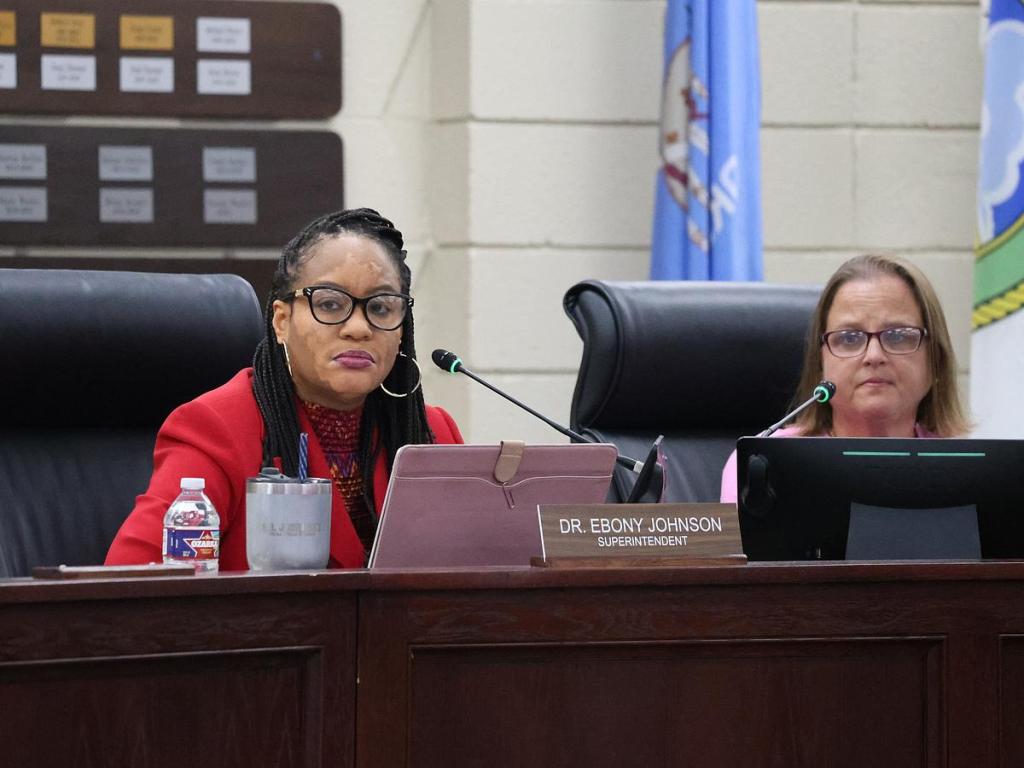
It’s now up to the school board, which is set to vote on the proposal Oct. 19. Any site closures or further cuts would not happen until the 2027-28 school year. Superintendent Ebony Johnson stressed at Monday’s board meeting these recommendations were not made lightly.
“I want to take a moment and just acknowledge that this proposal that we are making to the board tonight has been very difficult to put together, because it’s very impactful to our school district as a whole, our school communities, our teachers, our leaders, our students, our families and all constituencies,” Johnson said.
The district will send new home school designations to families before winter break if the plan is approved. Here’s where students would relocate:
- Anderson Elementary students would go to Hawthorne Elementary or Whitman Elementary. Felicitas Mendez International would move to the Anderson building.
- Bell Elementary students would go to MacArthur Elementary or McKinley Elementary.
- Central Middle students would go to Monroe Middle or Webster Middle. The high school would become a hub for alternative secondary programs, including Tulsa’s virtual options.
- Dolores Huerta Elementary students would go to Skelly Elementary or Disney Elementary.
- Greenwood Leadership Academy students would go to Wayman Tisdale Fine Arts Academy or Burroughs Elementary. The building will continue to host the district’s new S.O.A.R. program for elementary students needing added social and emotional support.
- Hoover Elementary students would go to Skelly Elementary or MacArthur Elementary.
- Kerr Elementary students would go to Lewis & Clark Elementary or Cooper Elementary.
- Key Elementary students would go to Salk Elementary or Carnegie Elementary.
- Marshall Elementary students would go to McClure Elementary.
- Mitchell Elementary students would go to Hamilton Elementary or McKinley Elementary.
- Peary Elementary students would go to Cooper Elementary or Disney Elementary.
- Robertson Elementary students would go to Clinton West Elementary.
- Sequoyah Elementary students would go to Kendall-Whittier Elementary, Owen Elementary or Felicitas Mendez International’s new location.
- Springdale Elementary students would go to Hawthorne Elementary, Celia Clinton Elementary or Felicitas Mendez International’s new location.
- Thoreau Demonstration Academy students would return to their home school or may apply to transfer to another magnet program. The district’s current plan would turn the building into a teacher development center.
- Tulsa MET Middle and High students would return to their home school or may apply to transfer to another program.
- Unity Learning Academy students would go to Celia Clinton Elementary or Hamilton Elementary.
These proposed closures are expected to save $2.6 million initially and $11.1 million over time. TPS also recommended $1.5 million in cuts to its central office. Options previously floated, like salary freezes and increased student-to-teacher ratios, are no longer being considered.
Once closed, the district expects just under $1 million in deferred savings if some buildings are sold.
The majority of savings — approximately $8.5 million — is expected to come from staffing allocations at closed schools. If approved by the board, district leaders say attrition rates would exceed the number of potentially impacted employees at sites recommended for closure.
The district typically fills hundreds of teaching positions each summer with new staff members but would skip new hires over summer 2027, Johnson said. Instead, TPS would fill most vacancies with teachers already on staff.
“What we’re planning on is utilizing the current team members that we have, certified teachers, to fill positions that will be opened as a result of these proposed school closures,” Johnson said.
The district pledges that every elementary school would see more qualified educators and dedicated art, music and physical education teachers.
Learn more about Tulsa Public Schools’ future priorities
TPS is hosting a series of community information sessions about its plans and priorities for the upcoming school year. Find the latest details here.
- 5:30 to 6:30 p.m. Sept. 29: Martin Regional Library (2601 S. Garnett Road)
- 5:30 to 6:30 p.m. Oct. 6: Bronson Brookside Library (4607 S. Madison Place)
- 5:30 to 6:30 p.m. Oct. 7: Virtual session presented in Spanish
- 5:30 to 6:30 p.m. Oct. 8: Parent Resource Center (525 E. 46th St. N.)
- 5:30 to 6:30 p.m. Oct. 12: Central Library Downtown (400 Civic Center)
- 5:30 to 6:30 p.m. Oct. 14: Zarrow Regional Library (2224 W. 51st St.)
A decade-long enrollment decline and shrinking birth rate
Enrollment, building size and location were driving factors in the district’s recommendations, Johnson said. The proposed changes would drive building use up to 75% or above district-wide, according to TPS forecasts.
Enrollment remains down at TPS with nearly 31,700 students this fall, according to the district. That’s not likely to change going forward. TPS expects a 2.5% decline in the number of children living within its borders over the next five years, per demographic data used by the City of Tulsa Planning Office.
That’s a problem for the district’s finances. To balance its budget as is, TPS would need another 2,600 additional students, Chief Financial Officer Kristin Stephens said at Monday’s school board meeting.
Last fiscal year, the district’s general fund saw $20 million less in federal revenue, driven largely by the end of pandemic relief funding. State funding dipped slightly due to the declining number of students enrolled at the district.
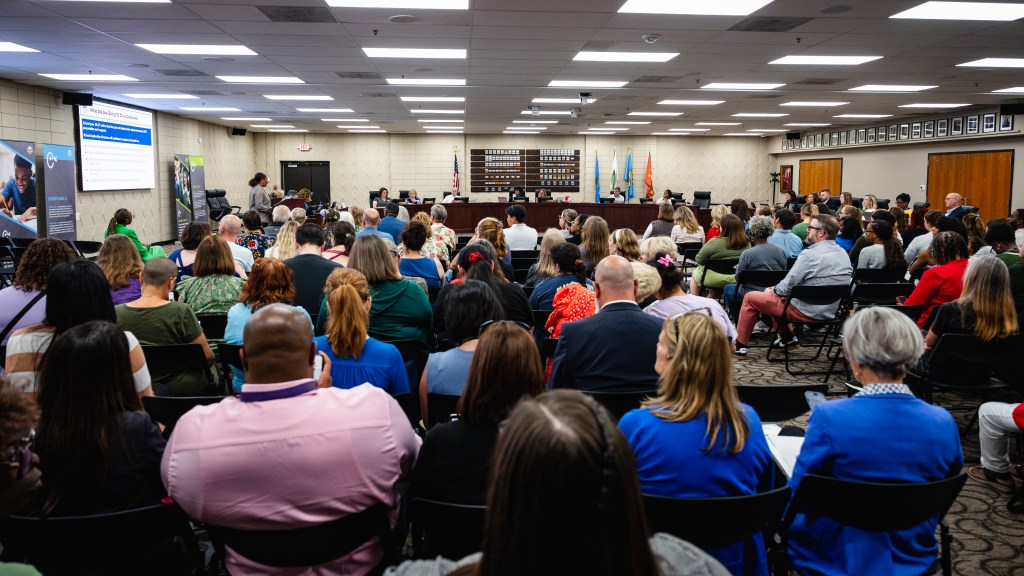
Community members pack a Sept. 21, 2026, Tulsa Public Schools board meeting to hear about proposed campus closures. Credit: Milo Gladstein / Tulsa Flyer 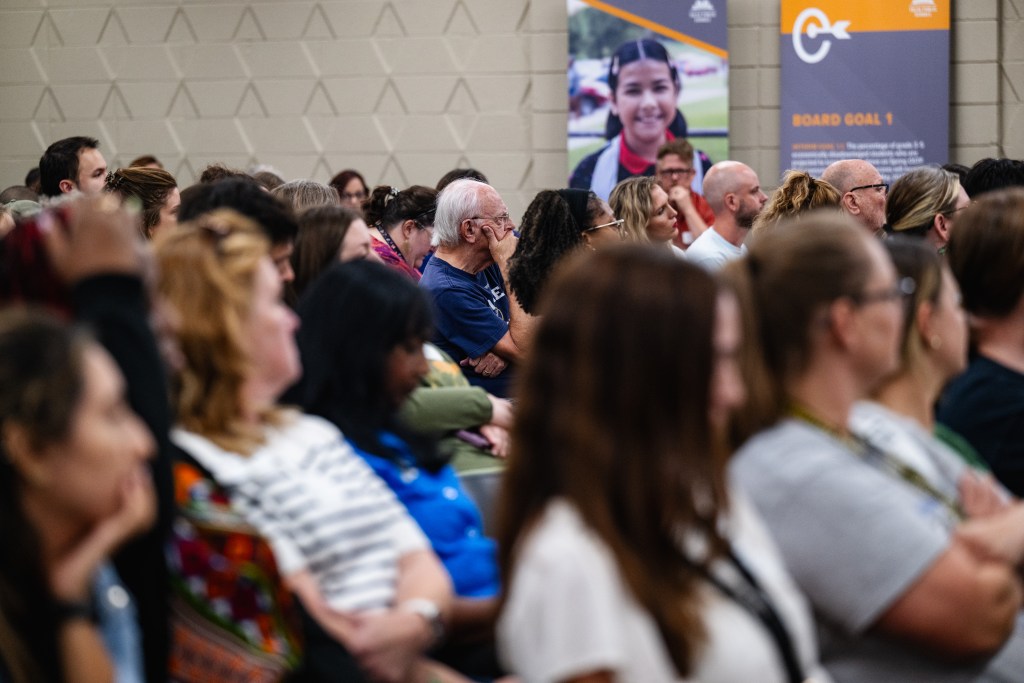
Community members pack a Sept. 21, 2026, Tulsa Public Schools board meeting to hear about proposed campus closures. Credit: Milo Gladstein / Tulsa Flyer 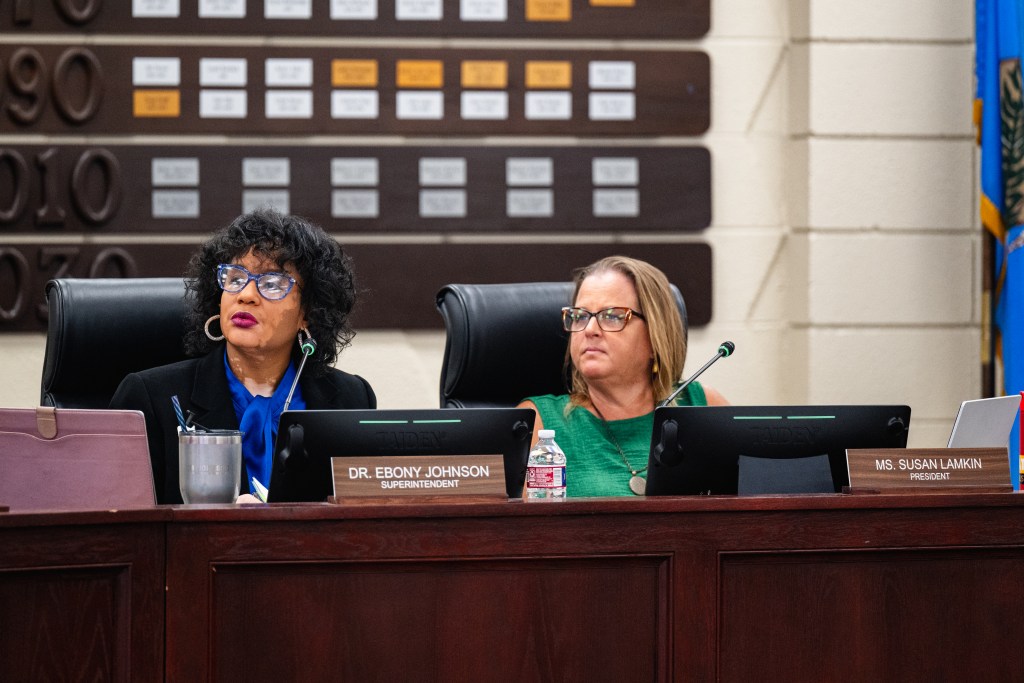
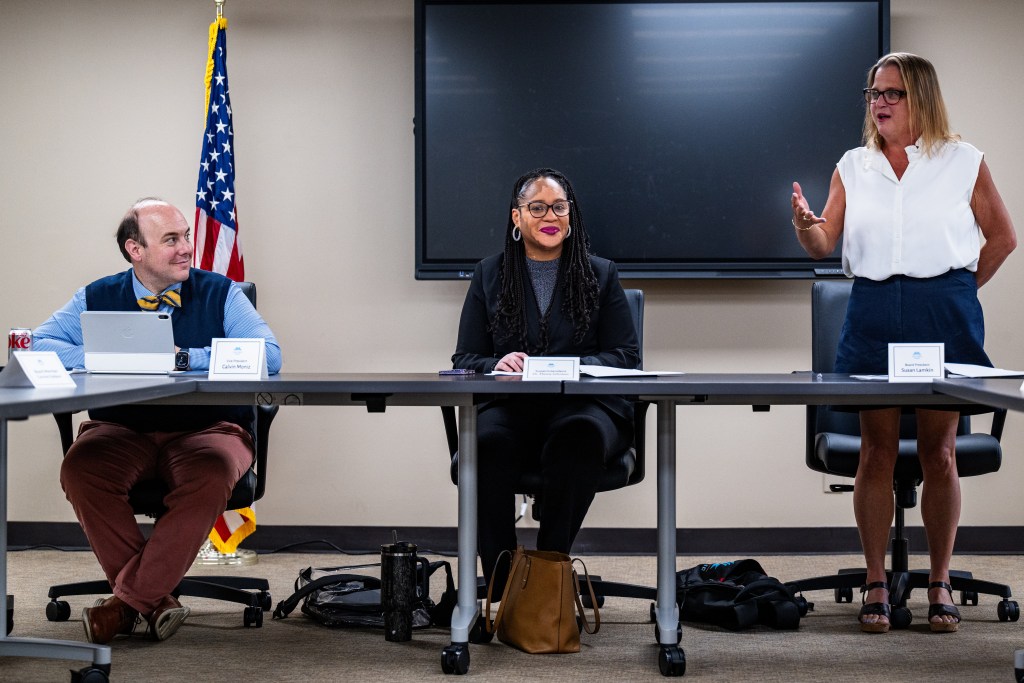
Tulsa Public Schools Superintendent Ebony Johnson, left, and board President Susan Lamkin look at data during the Sept. 21, 2026, Tulsa Public Schools board meeting. Credit: Milo Gladstein / Tulsa Flyer 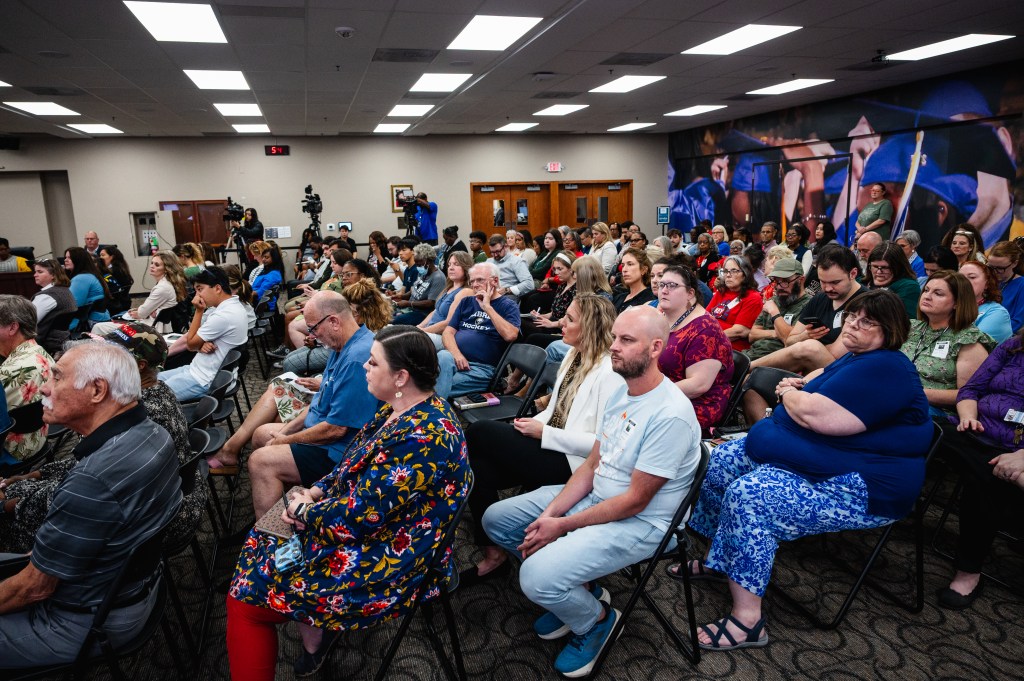
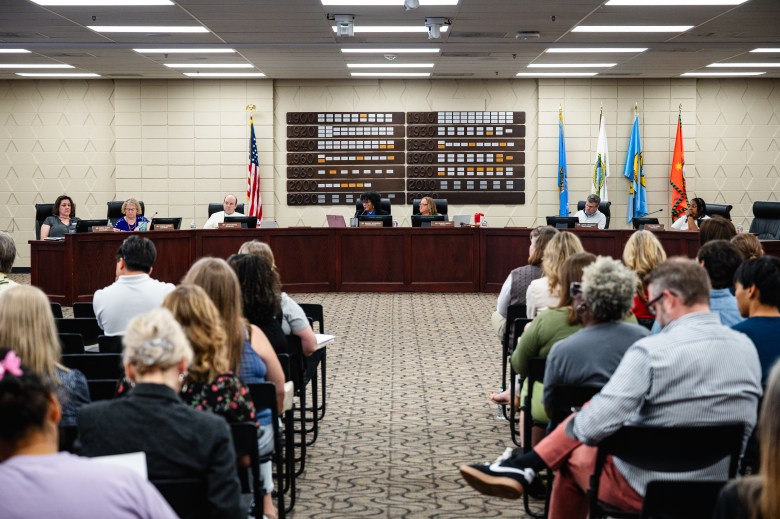
Community members pack a Sept. 21, 2026, Tulsa Public Schools board meeting to hear about proposed campus closures. Credit: Milo Gladstein / Tulsa Flyer
TPS reduced its general fund expenses from $371 million to $369 million this fiscal year with reductions to summer school spending and Chromebook purchases. That’s even as spending on salary and benefits went up — a $7.3 million increase.
Transportation spending is expected to increase this year. TPS is already seeing a 25% to 30% increase in all utility costs but water this year, Stephens said.
Johnson said conversations are beginning through the Mayor’s Office of Children, Youth and Families about city support for district transportation. TPS students already have free access to the city’s public transportation options with their student IDs.
“Our most recent discussion with them centered around just, they would like for us to continue to educate our families and students on how to use their current system,” Johnson said. “And we are researching ways that we can learn from other cities, on how they do citywide transportation that supports specific routes for public education.”
Pushing for change at the state level
Board members and public speakers took Monday’s recommendations as an opportunity to push for greater public school support at the state level.
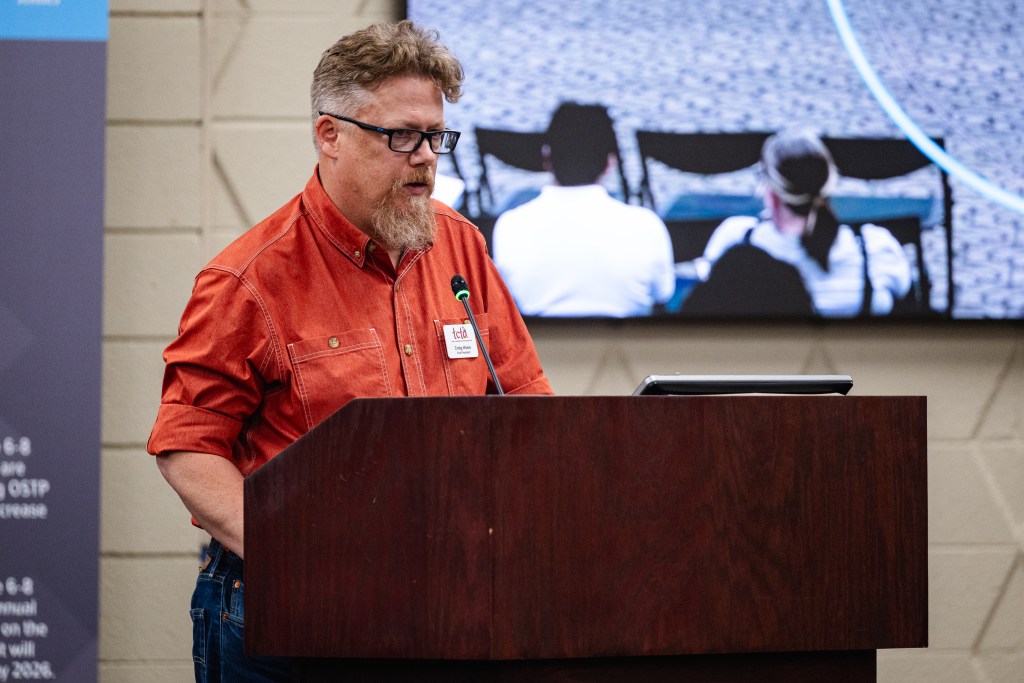
Craig Hoxie, vice president of the Tulsa Classroom Teachers Association, said he “can’t argue against” the district’s recommendations — and believes the cause lies with Oklahoma’s support of private, charter and virtual schools.
Hoxie noted the $275 million currently allocated for Oklahoma’s Parental Choice Tax Credit program, allowing families to use public funds for private school tuition. Nearly 8% of this year’s recipients statewide were moving from a public school. Charter schools receive state funding per-pupil similarly to public districts.
“The problem is we are letting politicians who do not care about our schools defund our schools, and we need to stop them,” Hoxie said during the public comment portion of Monday’s school board meeting. “Get people to the polls, do the things we need to do so that we can change our state and take it back.”
Johnson said Hoxie and board members hit the mark on the factors impacting public education that would require advocacy at the state level.
“I do think that this is a great call to action, to your point, for people to stand up and speak out and know that as a result of some of these hard decisions, and because of the funding that we receive or the lack thereof, there’s some very hard decisions we have to make in our school districts, and Tulsa Public Schools is definitely a district that feels that,” Johnson said.

News decisions at the Tulsa Flyer are made independently of our board members and financial supporters. Read more about our editorial independence policy here.
