

The Parental Choice Tax Credit gave back Tabitha Turpin’s paycheck.
The mom of six is a math teacher at Victory Christian School in south Tulsa, where for years every cent of her salary went toward paying tuition. Turpin homeschooled for a decade while her husband moved from post to post as a U.S. Army chaplain.
She applied for the tax credit program the morning it opened in 2023. Her application was approved for the four Turpin kids still attending K-12 schools the following year.
“It was like night and day,” Turpin said. “And, yeah, it’s a massive difference.”
Turpin now has three students attending Victory Christian and continues to receive tax credits from the state’s program. They are among the more than 11,000 recipients attending Tulsa’s private schools, which represented the largest share of the state’s $250 million tax credit program last year, according to records from the Oklahoma Tax Commission. There were more than 39,000 approved applications to the program statewide.
“We have an amazing group of private schools in Tulsa. We just really do, and this is for them all,” Turpin said. “This is giving families an opportunity to choose their education, something that if it’s taken away, that choice is taken away, right?”
Where the money is headed
The program issues checks between $5,000 to $7,500 made payable to the taxpayer and mailed directly to eligible private schools for parent endorsement. The exact amount is based on the annual gross income of families paying tuition and fees. The program’s cap will rise to $275 million for the coming school year, effective Aug. 13.
More than $70.1 million went to 11,221 approved applicants paying tuition at Tulsa’s private schools last year, according to tax commission records. That share is nearly $96 million when including schools in the Tulsa suburbs of Bixby, Broken Arrow, Jenks, Owasso, Sand Springs and Sapulpa.
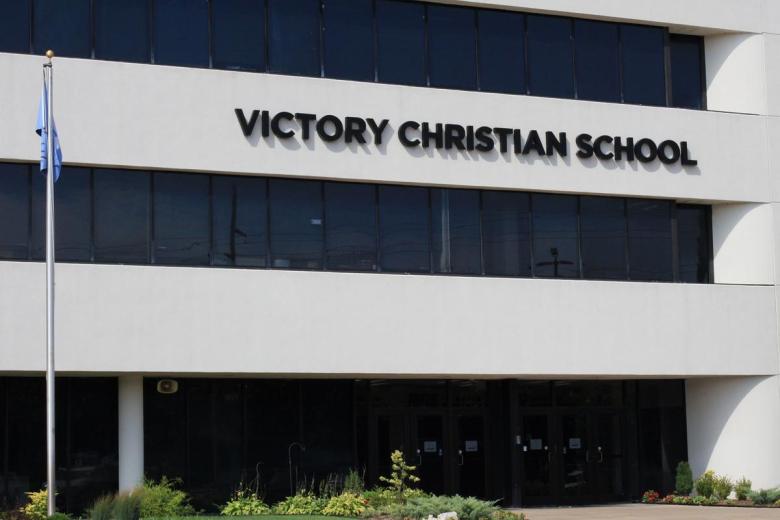
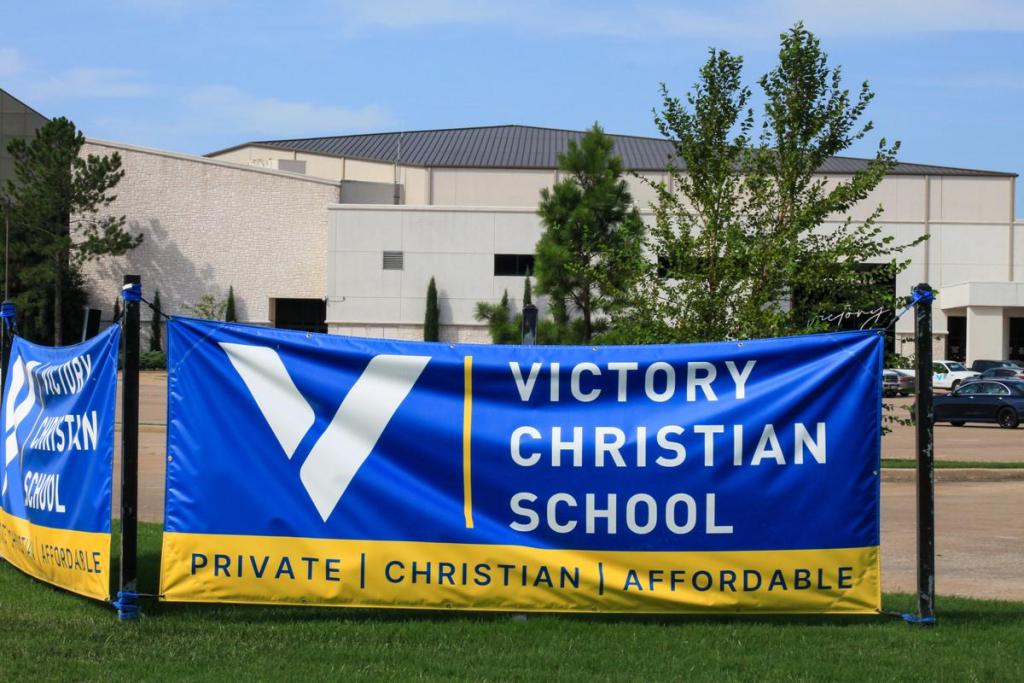
Victory Christian School was the top individual beneficiary in Oklahoma, records show, with families receiving about $8.54 million in tax credits across 1,263 approved applications. The school did not respond to multiple requests for an interview or comment.
The school’s website reports a student population of more than 1,100 students from approximately 850 families. Annual tuition ranges from $9,300 to $10,200, depending on grade level.
At Tulsa-area schools receiving at least $1 million in tax credits, many had approved applications equaling the majority of enrolled students, based on publicly listed enrollment numbers for each school.
At Tulsa’s Bishop Kelley High School, 807 applications were approved, representing 88% of the school’s listed student enrollment. Owasso Preparatory Academy had 450 approved applications last year, or 98% of the school’s listed student enrollment.
The Flyer reached out to Tulsa-area private schools that received more than $1 million in tax credits issued to taxpayers. Most did not respond or make themselves available for interviews prior to publication, including Owasso Preparatory Academy and Bishop Kelley.
At Augustine Christian Academy, records show 172 applications were approved last year, for more than $1.1 million in credits to families. The biggest impact for the school has been a drop in the average tuition assistance needed across the student body, according to Headmaster John Ahrens.
Before the tax credit program was launched, average per-student need was around $4,000, Ahrens said. That average dropped to around $1,000 last year. The school charges up to $11,200 in tuition.
The program also changed where students are coming from, Ahrens said.
“In the years preceding the tax credit, most of our new families found ACA as a result of referrals from current families or alumni, or were homeschool families taking advantage of our part-time offerings for (sixth through 12th) grade students,” he said. “Many of our new families, we have found, are moving from public schools into the private sector as a result of the affordability presented by the tax credit and tuition assistance.”
The majority of tax credit recipients already attend private schools. In the coming year, 3,120 applicants approved for the credit were previously attending a public school, or just under 8% of recipients statewide.
“When we talk about the parental choice tax credit, we are not receiving what we’re being sold, right?” said Anne Uhlman, director of research at Oklahoma Appleseed Center for Law and Justice, a Tulsa-based advocacy nonprofit. ”So it’s promoted as a program that gives families the choice of where their students go to school. And what we see is that’s not actually what this program is doing.”
The number of approved applications for higher-income families is growing while the number of lower-income families — considered a “priority” group for the program — is declining slightly, as first reported by the Oklahoma Voice.
“I know that there are families who are benefiting, and I do not want to undermine their experience, I am happy for the families who do benefit,” said Uhlman. “What we see, though, on a larger scale is that it’s not being distributed equitably.”
A July report from the tax commission on the coming school year shows 47% of recipients have an annual gross income of more than $150,000. That’s an income level reported by around 14% of Oklahomans, according to 2024 census estimates.
What other school choice options do Oklahomans have?
Oklahomans have broad access to school choice through several other scholarship and tax credit programs.
The Lindsey Nicole Henry Scholarship program grants private school scholarships to eligible students receiving special education services. In the 2024-2025 school year, that program issued $13.6 million in scholarships. The Oklahoma Equal Opportunity Education Scholarship Act opens up another $50 million in available annual tax credits for donations to organizations providing private school scholarships or to public school programs.

In 2027, Oklahomans will also have access to the new federal scholarship tax credit program. Those who donate to granting organizations providing private school scholarships will receive a tax credit of up to $1,700 for individual taxpayers or $3,400 for those filing jointly. Oklahoma is one of 27 states that have opted into the program so far.
As funding and access to these programs has steadily increased, opposition has grown from many public school families and advocates. Spending for public education is at record highs in Oklahoma, but Uhlman and others see the tax credit program as part of a larger pattern of disinvestment from public education.
“There tends to be this narrative that because it’s not coming out of the education budget, right? That it’s not influencing how public education gets funded,” said Uhlman. “And that’s really misleading, right? Because it’s coming out of general appropriations. It’s money that the state would otherwise have, that it could spend on education, and it isn’t.”
Several public districts across Tulsa have made cuts to staffing and budgets due to declining enrollment statewide and rising operational costs this year. In July, Tulsa Public Schools charged its superintendent with cutting $12 million from its operational deficit. Her plan is due in October.
When Union Public Schools cut its adult learning center this year, Superintendent John Federline pointed to an “an ill-advised voucher system that funnels money and students away from public education” as a cause of the district’s falling enrollment.
Why parents are choosing private
Another Victory Christian parent, Amber Christine, says she understands the frustration of public school administrators.
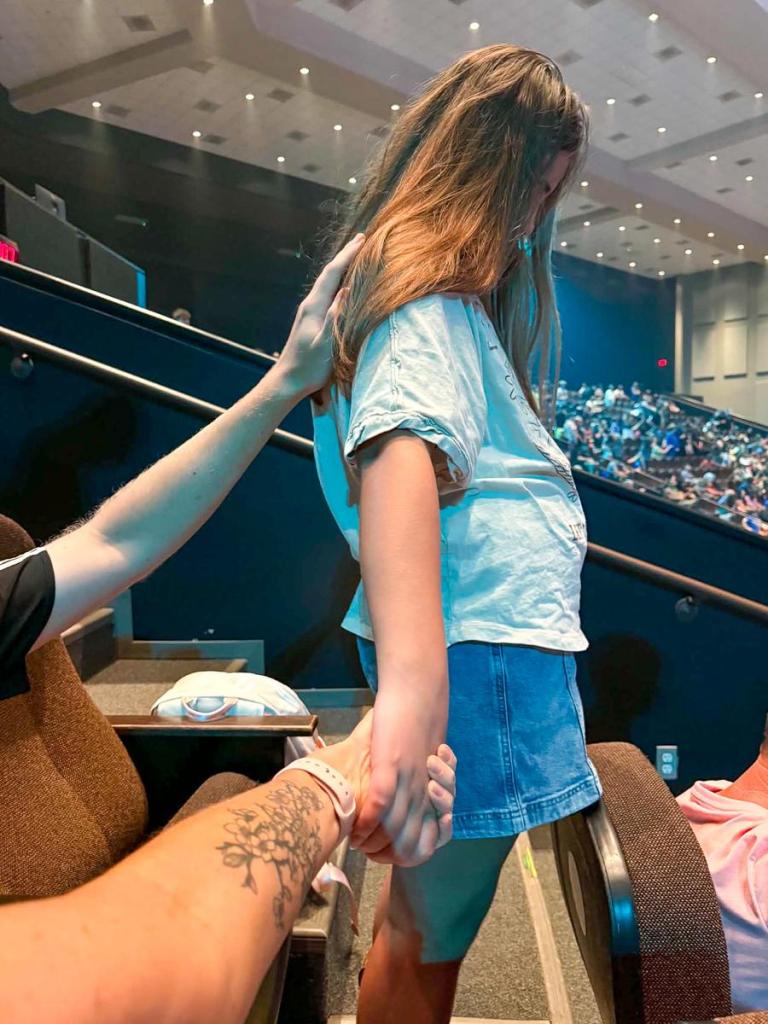
“They can’t offer what they’re getting at VCS,” she said. “… Being able to pray, being able to practice your faith, really cracking down on bullying.”
Christine pulled her daughter, Willow, out of public schools in St. Louis after severe bullying, opting instead to homeschool her with Liberty University’s curriculum.
Following a divorce, Christine moved with Willow and her two adult sons to Tulsa — where she has family roots and attended Oral Roberts University. The biblical curriculum and faith-based support at Victory works best for her and her daughter.
Christine is “not anti-public schools in any way” but says she’d find it difficult to move to another state that does not have a similar tax credit program. As a single parent, she says it would have been impossible to afford Victory’s tuition without it.
“I love that in the state of Oklahoma, if public school is a great fit for your child, then that’s where they need to be,” Christine said. “But if another option, like private school, is the right fit for your child, that’s also where they need to be. And I think that it’s imperative that the parents get to make that choice as to what’s right for their family.”
The application period for 2027 tax credits has closed, but a school-by-school breakdown of funding for the coming year is not yet available, per the Oklahoma State Tax Commission.
Turpin thinks support for the program is about perspective.
“If you haven’t been impacted by something, then you don’t know its impact, right?” Turpin said. “Then you don’t know how much it has blessed those who have been able to receive from it.”
News decisions at the Tulsa Flyer are made independently of our board members and financial supporters. Read more about our editorial independence policy here.
