

U.S. and Israeli attacks on Iran stretched into their fifth day Wednesday. Some Iranian Tulsans fear the death toll will climb higher, but ultimately believe U.S. intervention is necessary to save the country.
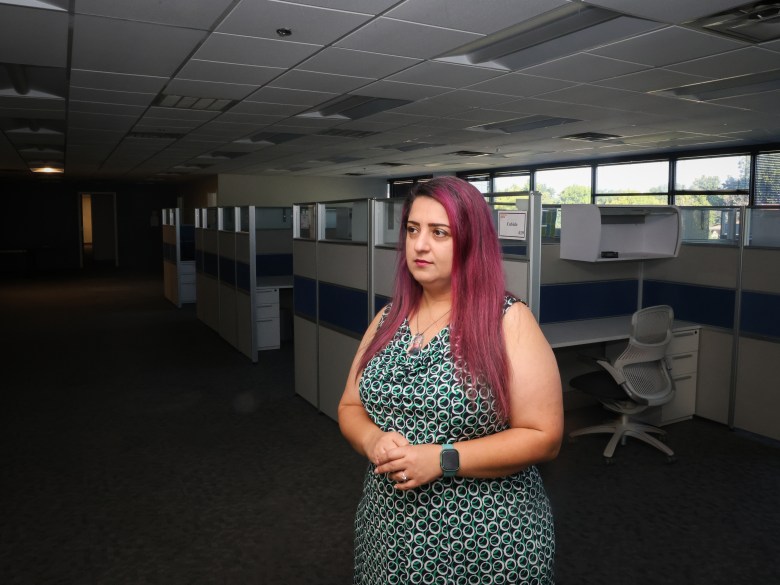
Elham Kucirek, an Iranian immigrant who came to Tulsa in 2014 and received U.S. citizenship a decade later, said she was notified by a friend in Iran early Saturday morning that missiles had struck Tehran.
“The first thought was that this is a war — we’re worried,” Kucirek said. “But to be honest, we were more happy because we waited for that moment.”
The war began Feb. 28 with the U.S. and Israel launching strikes targeting Iranian leadership and military infrastructure. Both countries’ officials have long believed that Iran is seeking to build nuclear weapons.
Iran’s Supreme Leader Ayatollah Ali Khamenei, who led the country since 1989, was killed during the first wave of strikes. Kucirek said she danced in the rain Sunday after learning that Khamenei had been killed.
“I was crying of happiness,” Kucirek, who said she faced oppression before leaving the country, said. “We were dancing, we were happy, because one of the worst dictators in the history of all countries is dead.”
Atabak Parsa, an Iranian physician who also moved to Tulsa in 2014, said he ultimately hopes this puts Iran on a pathway to free elections.
“I 100% support Trump on this,” Parsa said. “Negotiating with that regime is a no-no.”
Not all Tulsans are on board with the strikes in Iran. Several staged a protest Saturday outside the Federal Building in downtown, voicing their opposition to the U.S. government starting wars abroad.
‘The only solution to rescue the children of Iran’
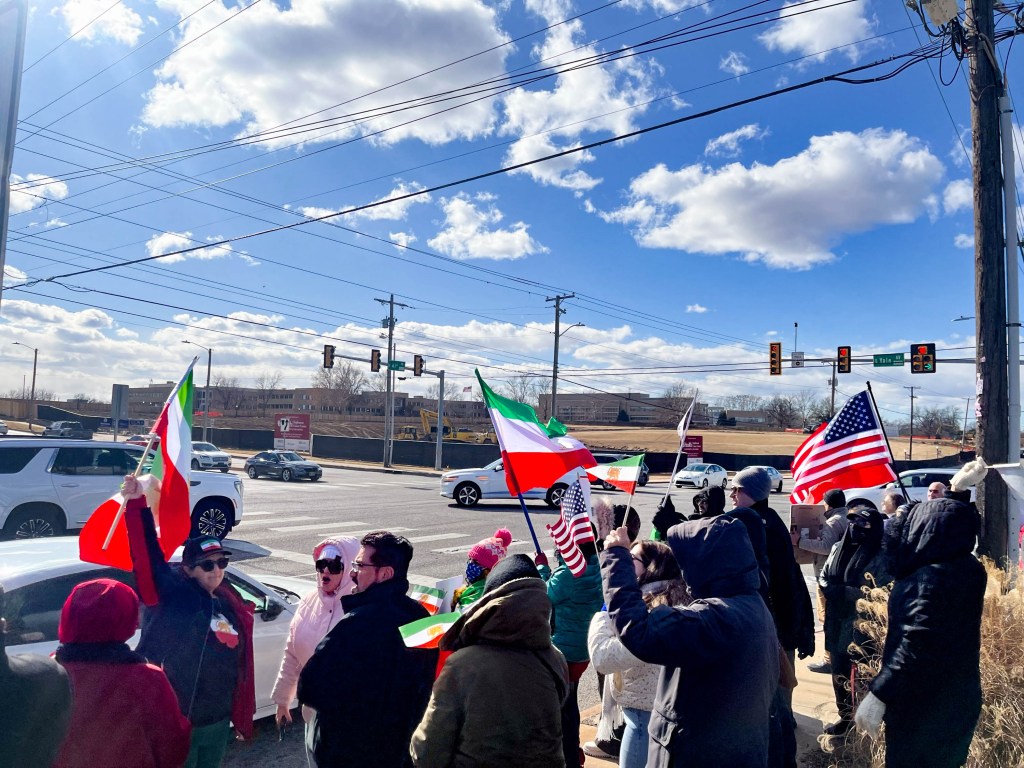
In January, Kucirek organized a protest at East 41st Street and South Yale Avenue in response to the Iranian government killing thousands of protesters. Iranians held mass protests over the country’s economic instability and political establishment.
“People said enough is enough. The economy is very bad. We cannot make ends meet. We are trying our best to work, but basic stuff is not affordable,” Parsa said. “That peaceful protest turned to a massacre.”
The Iranian government deployed an internet and mobile communications blackout, restricting its own citizens from communicating with those outside the country. Human rights organizations have described the internet blackout as an attempt to cover up mass killings.
“Many of my friends — for more than 10 days that the internet was shut down — I was thinking that they’re dead,” Kucirek said.
Kucirek said the Iranian regime is dangerous to everyone, including their own citizens.
“Our current government is like a cancer. We’ve tried all types of medicine, but in this (stage) of the cancer, if you want to be alive, we have to do surgery,” Kucirek said. “I am not happy for the war, don’t get me wrong, but that was the only solution to rescue the children of Iran.”
News decisions at the Tulsa Flyer are made independently of our board members and financial supporters. Read more about our editorial independence policy here.
