


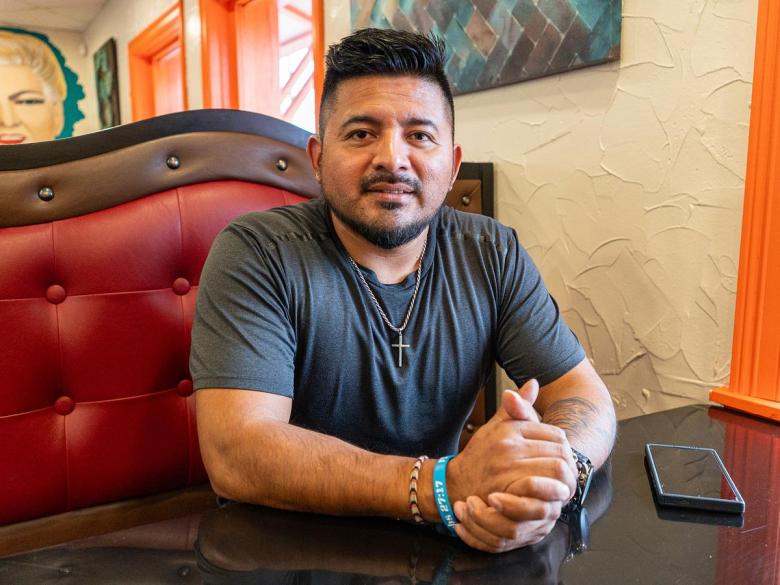
Jose Bamaca, president of 918 Maples Group, moved to Tulsa in 2003 and found a job in a kitchen right away. It wasn’t a change for him — kitchens have been his only employers since he started working as a teen in Mexico.
Bamaca found himself trying to make a living for nine years in other people’s kitchens and spent the next five years working with a catering company. He decided to work for himself in 2017.
Nearly 23 years after he moved, he’s one of the many Latino business owners in Tulsa venturing into different markets and educating other communities about his culture. They’ve worked on understanding the American market and offer traditional Latin food to areas without similar dishes.
Bamaca spent the last few weeks of 2017 selling plates to friends and family. When the new year came around, he decided to research the business world. He wanted to know what worked and what didn’t.
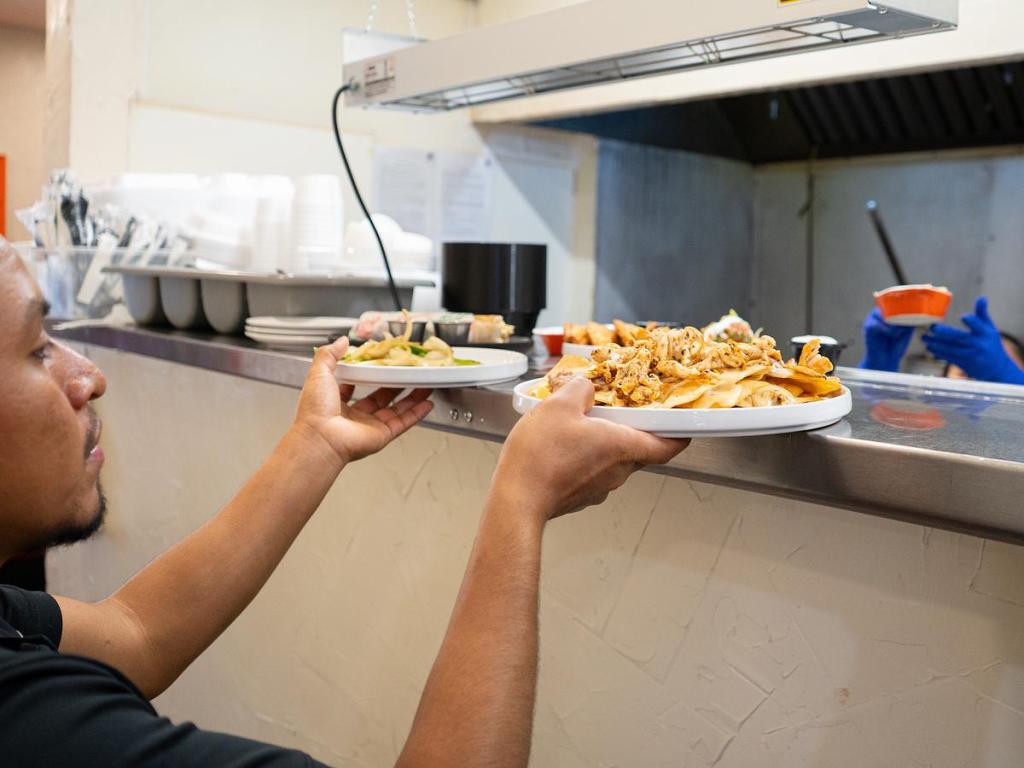

“I realized there was a big gap between the Latino and American communities,” he said. “It was a barrier — they didn’t cross over here and neither did they cross over here.”
As he began his catering business, he was intentional about the presentation: metal utensils and using proper containers to carry food.
Bamaca found ways to market more intentionally and educate the Latino community about pricing. He worked with a friend to make flyers and teach customers about his pricing — and then slowly raise it over time.
“It was going to be hard, but I wanted to change the system,” he said.
Que Gusto owner Carla Meneses found guidance through participating in Kitchen 66, Tulsa’s first food incubator and kickstarter kitchen, in 2016. She was likely one of the first applications accepted, she said.
She started with two types of empanadas. Now, the business offers more than 15 flavors of empanadas and other popular Ecuadorian food. And they have a free-standing location of their own.
One lady told her about a place downtown, which later became the restaurant’s home.
“It was never in my plans,” Meneses said. “Things have honestly panned out because that’s how God wanted it.”
Located at 105 N. Martin Luther King Jr. Blvd., Que Gusto opened its doors in 2018 and recently completed an expansion in November.
“Sometimes they would show me some places and I would say, ‘No, If I’m going to a place it needs to be nice and in a good location,’” Meneses said. “So, that’s how God wanted it and the opportunity presented itself.”
She originally thought the majority of her customers would be American. That isn’t the case — about 60% of her clients are Latino. Over the years, she’s gathered clients from various Latin cultures.
“Colombians, Chilenos, Argentinians, Venezuelans and many more because we have very similar food,” she said. “We have this audience of people that I didn’t expect.”
The community as a whole, though, has welcomed her since she arrived in Tulsa.
Owner Tiffany Rodriguez opened Dulce Vida Café, a Mexican-inspired coffee shop, in early 2025. The Broken Arrow resident originally thought about opening a store in the community she grew up in, but then she found a place in south Tulsa.
The area doesn’t have much Latino representation, so with the new cafe she’s able to educate customers about the culture, she said.
“It was important that we were able to bring this to the community that didn’t really have that or maybe they don’t experience it because they don’t want to drive to a different side of town,” Rodriguez said.
Inside Dulce Vida Café, you can also find products from other Latino businesses, including jewelry from Rancho Los Pinos and pastries from Ale Creations918. Rodriguez often hosts pop-up shops as well.
It’s all to uplift other Latino businesses in the area, she said. She encourages Latino entrepreneurs to not wait to take their shot if they’re interested in opening a small business.
“I feel like we’re generally more apprehensive or kind of more afraid to do things because you don’t know if it’s going to work or not, but I mean sometimes you just have to try it,” Rodriguez said.
For 918 Maples’ Bamaca, he wasn’t sure if he was going to make it when the pandemic hit.
He was finally hitting his rhythm catering for weddings. He had 25 wedding contracts heading into 2020. COVID meant that only one actually happened.
Everything changed when he started promoting a queso and chips fountain for weddings in 2021.
“That year ended with eight American weddings and I couldn’t believe it,” he said. “I said, ‘I’ve entered their market.’”
Bamaca now owns three brick-and-mortar 918 Maples locations, a kiosk and two food trucks across Tulsa. He hopes to open a coffee shop in the new year.
“I see a lot of growth in our community,” he said. “It signifies that we’re a community made of resilience … We’re a creative community and that truly helps us a lot. We come with a mentality to fight for a little piece of opportunity.”
This article was produced as part of a partnership between the Tulsa Flyer and La Semana, a Tulsa-based bilingual Spanish-English newspaper serving Latino communities in Oklahoma.
News decisions at the Tulsa Flyer are made independently of our board members and financial supporters. Read more about our editorial independence policy here.