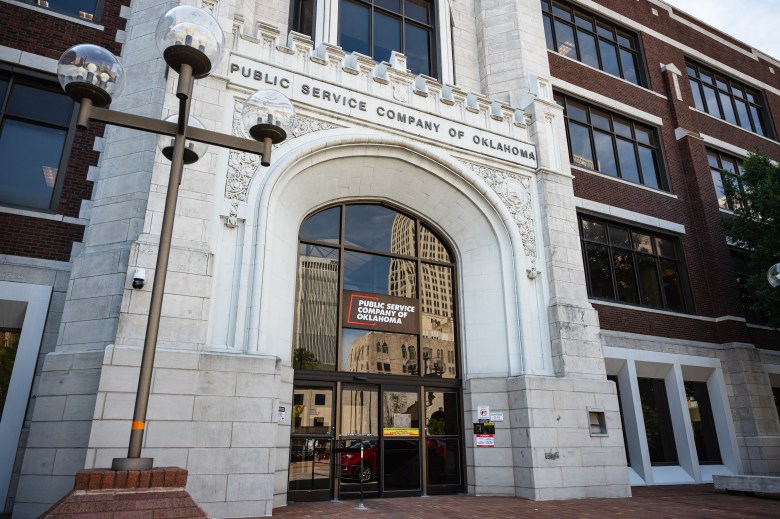
Oklahomans will see their Public Service Company of Oklahoma electricity bills go down around $5.80 on average starting in December after the Oklahoma Corporation Commission voted Nov. 5 to raise rates.
“The base rate charges are going up,” said PSO spokesperson Matt Rahn. “But when you factor in all of those rider changes in the next month’s billing cycle, folks’ bills are actually going to go down a little bit.”
When Rahn says riders, he’s talking about the extra charges on your bill that aren’t part of your monthly usage. Many of these are added to your bill to help PSO recover costs it already fronted. Riders must be approved by corporation commissioners.
You’ve probably seen lots of numbers floating around, along with the fact that you won’t get refunds after PSO applied temporary increases to your bills this past summer. But electricity rates were always anticipated to go up after PSO filed its rate case in January; it was just a matter of how much.
Here’s how the utility company and commissioners landed on a $5.80 average decrease and what back-and-forth conversations between state officials and company leaders influenced the final decision.
A quick recap of the final verdict: Corporation commissioners approved an overall 3.55% hike for residents. Industrial customers will receive refunds, but residents will not. All commissioners agreed to create separate terms and conditions for large-load customers such as data centers.
What are all the different numbers being tossed around online?
PSO first asked for $25.37 extra, or 15.03%, from residents each month when filing its rate case in January. The utility company settled for $2.45, or 1%, about six months later. In July, PSO started to charge residents around $11.33, or 6.62%, in temporary increases.
Oklahoma Corporation Commission rules allow for an interim increase to be implemented if commissioners haven’t made a decision 180 days after the request is filed.
To arrive at that much lower $2.45 bill impact, though, PSO would’ve charged residents more down the line. The true overall residential bill impact would’ve been closer to 5%, Commissioner Todd Hiett said at an Oct. 27 meeting.
So, Commissioner Brian Bingman’s office drafted a new proposal at the end of October. This was after months of customers paying interim increases, a proposed settlement agreement with Attorney General Gentner Drummond and hours of hearings.
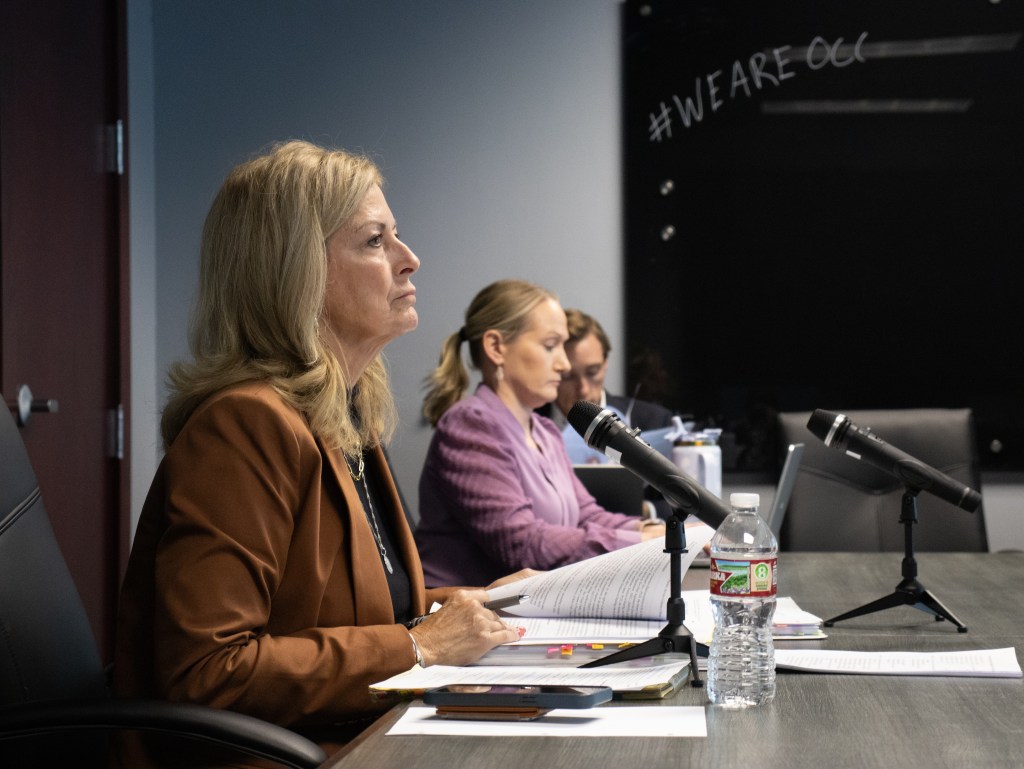
Bingman and Hiett approved the latest proposal, while Commission Chair Kim David voted to deny it.
Even though residential customers will see a $5.80 decrease to their average bills starting in December, the base rate will be higher by 32.73%, or approximately $32 per month. Changes to riders and tax credits were made to decrease overall residential bills, Rahn said.
Why didn’t residents get refunds?
Residents weren’t the only ones to be charged temporary increases this past summer; industrial customers also faced more expensive bills. But after the final decision, they were overcharged. Rahn said no customers would’ve gotten refunds if commissioners had approved the proposed settlement agreement in June.
PSO wanted to change how it charged customers for transmitting electricity to them. According to testimony from Mary Purvis with the Oklahoma Public Utility Division, this would help prevent an excessive burden on residents, who typically see high usage in summer.
But that change would’ve also shifted cost onto industrial customers — around $16 million extra, or a 96% increase in their rates. Critics argued that this would cause higher prices and job losses.
David proposed alternative methods that would’ve brought the residential bill impact from 3.55% to 3.08%, but Bingman and Hiett ultimately didn’t get on board.
Did I vote for this in some way?
It’s true that corporation commissioners scheduled a vote on the PSO rate case for Nov. 3 — the same day as midterm elections. But Oklahomans do not get a say, even though they can submit public comments. The final verdict arrived Nov. 5 after being delayed twice.
Voters do get a say in who serves on the Oklahoma Corporation Commission. Commissioners are elected to serve six-year terms and are paid $150,000 each year, according to the think tank Oklahoma Policy Institute. David, a Republican, was elected in 2022, while Bingman, also a Republican, has been in office since 2024.
Republican lawmaker Brad Boles will replace Hiett, who’s termed out, next year. In the midterm election, Boles won 59% of the vote against Democratic candidate Rhonda Eastman. He authored the Data Center Consumer Ratepayer Protection Act of 2026, which required separate terms and conditions for large customers like data centers.
As the Flyer previously reported, records showed that David has repeatedly accepted donations from individuals and political action committees tied to industries she now regulates — a pattern that continued in her congressional campaign from this past June for a seat in Congress. Until Nov. 5, she had never voted against a rate increase for PSO.
David lost the Republican primary bid to state lawmaker Mark Tedford, who defeated Democrat Tulsa Public Schools board member John Croisant in the midterms.
What’s next?
PSO asked commissioners Nov. 16 to make changes to what they approved, specifically related to tax matters. Without two adjustments, PSO says, there could be additional cost increases.
“PSO is seeking those modifications because we believe leaving the provisions unchanged creates longer-term risks for customers, including potential higher borrowing costs and the potential loss of federal tax treatment that helps keep rate base, and ultimately customer costs, lower,” Rahn told the Flyer by email.
The Corporation Commission’s next hearing is scheduled for 1:30 p.m. Nov. 23. You can watch it online here.
News decisions at the Tulsa Flyer are made independently of our board members and financial supporters. Read more about our editorial independence policy here.