


Kratom and its synthetic compounds will likely be a focus at the Oklahoma State Capitol next session, as lawmakers wrestle with how to regulate the addictive “gas station drug” showing up in overdose death toxicology reports across the state.
Kratom is derived from a tree native to Southeast Asia. Its active components are used to create herbal supplements, which are marketed as a natural way to increase energy, manage pain and relieve anxiety.
Despite its purported benefits, health experts are ringing the alarm.
The Food and Drug Administration determined certain kratom products are highly addictive — and could lead to the next wave of the opioid epidemic. The agency recently banned highly concentrated forms of two kratom derivatives, 7-hydroxymitragynine (7-OH) and mitragynine pseudoindoxyl (MGPI), because of their significant negative health effects. The products are “hiding in plain sight” and being marketed as natural kratom products, the agency said.
Like with any drug supply, legal or not, manufacturers are tinkering with kratom’s molecular components, seeking different or more potent forms of the drug that can increase profits.
In Oklahoma, some regulations are designed to keep manufacturers and retailers in check.


Stores are barred from selling any kratom and related products to minors, and product packaging is required to include a list of ingredients and their concentrations, as well as written warnings about the safety and effectiveness of the product.
State kratom laws were updated as recently as 2025, building off of a piece of legislation that failed at the federal level in 2022, called the “Kratom Consumer Protection Act.”
At least 29 states regulate kratom sale and use to varying degrees, according to Oklahoma nonpartisan research policy group Healthy Minds Policy Initiative. Ten states ban the drug completely, the group found.
Oklahoma advocates and state officials agree more needs to be done to address kratom’s dangers. Limited oversight and a lack of clear enforcement mechanisms are putting people at risk, lawmakers said at an interim study Oct. 12.
Rep. Ellen Pogemiller, D-Oklahoma City, and Rep. Jim Grego, R-Willburton, invited a handful of constituents to their study to share their experiences with kratom products.
“I have been overwhelmed by emails and calls to our office with people who have personal stories,” Pogemiller said.
Tiffany Sprague’s daughter, Isabella Gardner, first tried kratom when she was 18 years old. The smoothie shop where she worked sold drinks from Botanic Tonics, an Oklahoma-based herbal supplement company, and Gardner quickly became addicted to the energy and pain suppression they provided, she said.
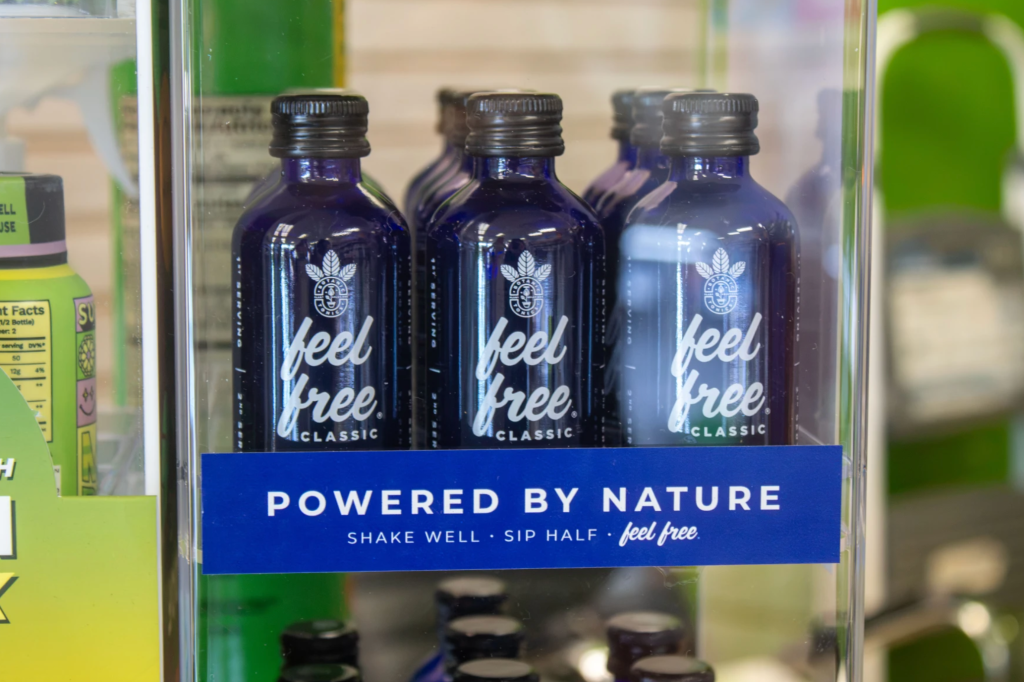
“I didn’t even know what addiction was until I was living it,” Gardner said. “I would have done or said anything to get it. It was slowly killing me and my future.”
While all of her friends were leaving for college, she was checking into a rehab center, Gardner said.
“How do we prepare our children for a danger that doesn’t look dangerous, especially if the danger is marketed as healthy and natural?” Sprague said. “We cannot allow these products that are capable of causing so much devastating harm to be marketed and sold in our communities.”
This article was originally published by KOSU. You can see the original story here.