



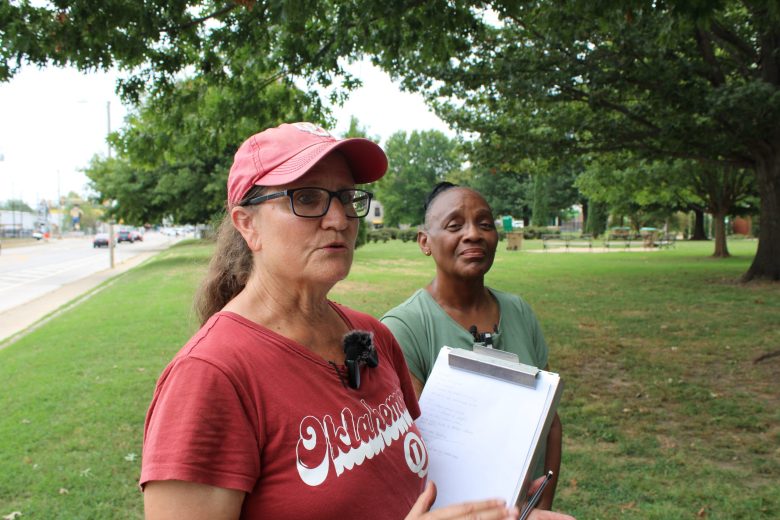
The search for more victims of the 1921 Tulsa Race Massacre entered its sixth round Tuesday as crews returned to Oaklawn Cemetery.
This excavation will mainly focus on the western and southernmost portion of the cemetery, where the investigation team believes additional grave shafts may remain, based on last year’s field summary.
By the end of the 2025 excavation, investigators uncovered portions of 16 graves that were underneath the western fence line of the cemetery. Now, they plan to examine the other side of the fence to better understand those grave sites.
Kary Stackelbeck, state archaeologist with the Oklahoma Archaeological Survey, told reporters Tuesday’s work consisted of extracting soil samples from the ground which they will use to study the environment.
Over the past six years the investigation has identified two previously unknown victims of the massacre, C. L. Daniel and James Goings.
It has also uncovered at least 273 graves, 265 of which were unmarked. A total of 55 individuals have been exhumed and 22 DNA profiles have been obtained. Of those 22, eight gunshot victims have been identified.
“This is a very integral part of the history of Greenwood and Black Wall Street,” Brenda Nails-Alford, a descendant of massacre survivors, said. “Our community lost people that they never saw again. Many did not even know what happened to them. So this brings some sense of justice and healing to our communities.”
Key indicators for considering potential victims are physical trauma to the body but also bodies buried in simple wooden crates or containers.
When asked how long it may take to identify a potential victim, Stackelbeck told The Eagle she was unsure. It took three years to identify Daniel, but she says the technology is advancing quickly.
“The science that they are able to bring to bear on this investigation now wasn’t even necessarily 100% possible at the time that we started in 2020,” Stackelbeck said. “We have reason to be optimistic that maybe we’ll close that window down somewhat.”
Without any significant weather delays, she expects this year’s excavations should be complete by the end of October.
Ismael Lele is a Report for America corps member and writes about business in Tulsa for The Oklahoma Eagle. Your donation to match our Report for America grant helps keep him writing stories like this one; please consider making a tax-deductible gift of any amount today by visiting this link.
