



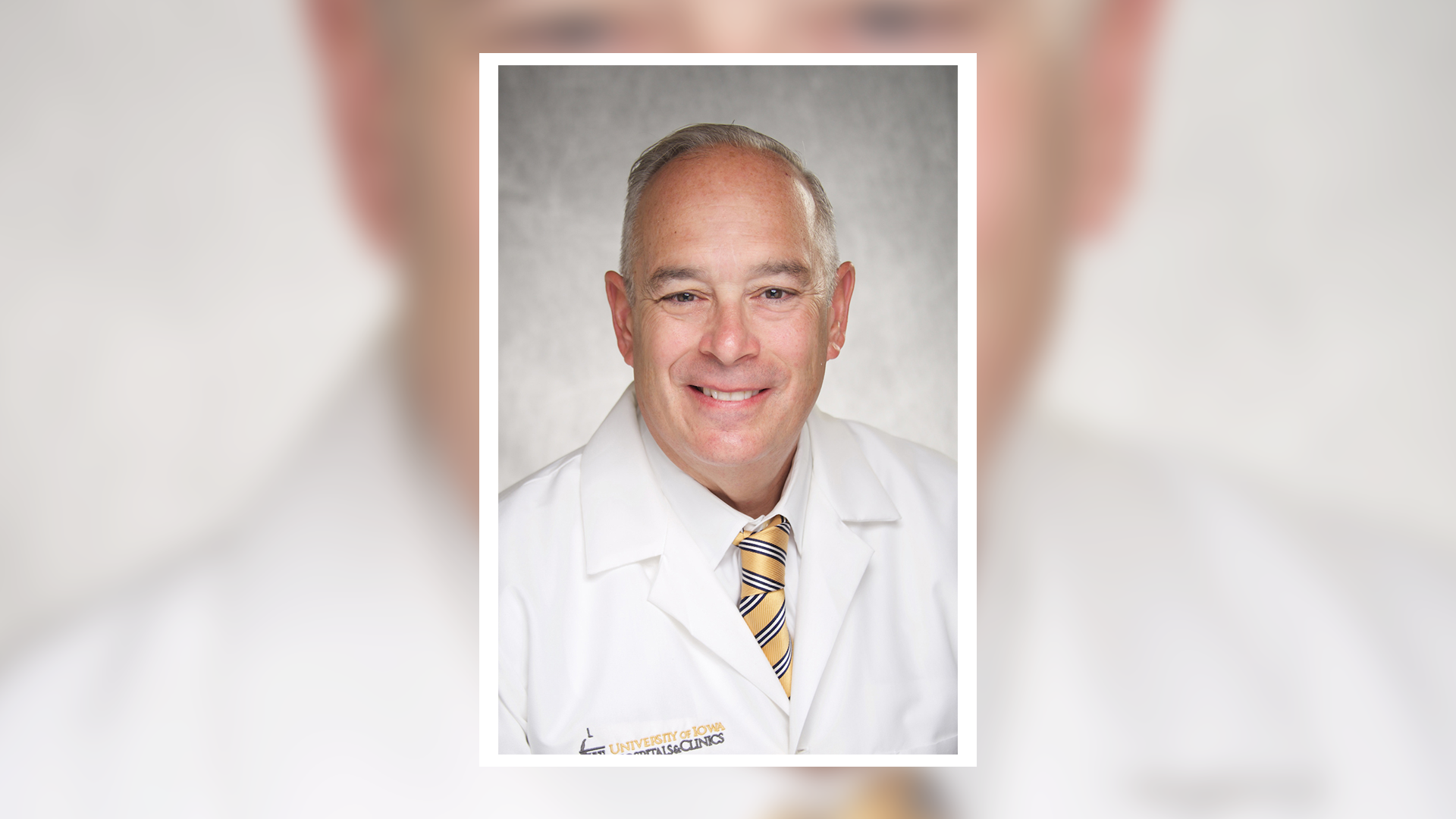
Dr. Gerard Clancy is back in Tulsa — this time as special adviser to Mayor Monroe Nichols.
The psychiatrist is well-known for his decades of work in the city on mental health, healthcare systems and education. He served as the former president of two major universities, The University of Tulsa and the University of Oklahoma-Tulsa. While at OU-Tulsa, he also served as dean of the OU School of Community Medicine.
In 2020, he resigned from TU and has since worked in emergency rooms at the University of Iowa Hospitals & Clinics and as a professor in psychiatry and emergency medicine.
In August, he returned to Tulsa to join the Mayor’s Office of Health and Well-Being. During his one-year, $65,000 contract, Clancy will help design a mental health strategy for the city, said Dr. Jabraan Pasha, who oversees the mayor’s healthcare office.
“Dr. Clancy brings rich knowledge and history of Tulsa, and we are excited to be able to partner with him,” Pasha said. “He brings an understanding of the system, whether mental health or healthcare, and has relationships locally, at the state level and nationally. He has a unique understanding of factors that shape health.”
This marks a reversal of roles for Clancy, Pasha and the mayor.
Nichols was chief of staff to Clancy when he was serving as president of OU-Tulsa. While dean of the OU School of Community Medicine, Pasha was hired as faculty.
Among Clancy’s contributions to Tulsa are establishing the OU-TU School of Community Medicine, TU’s Oxley College of Health & Natural Sciences and the Wayman Tisdale Clinic in north Tulsa. He helped create the city’s first mobile behavioral crisis units and pushed for stronger mental health services.
The work to establish a mental health strategy is just beginning, Pasha said.
“We’re in a mental health crisis,” he said. “We have high rates of suicide, substance abuse and depression. It touches everyone. Everybody experiences mental health issues or knows someone who has.
“If Tulsa is going to live up to being the vibrant city that we all believe it to be, we can’t continue to turn our backs on mental health as a significant health issue.”
News decisions at the Tulsa Flyer are made independently of our board members and financial supporters. Read more about our editorial independence policy here.