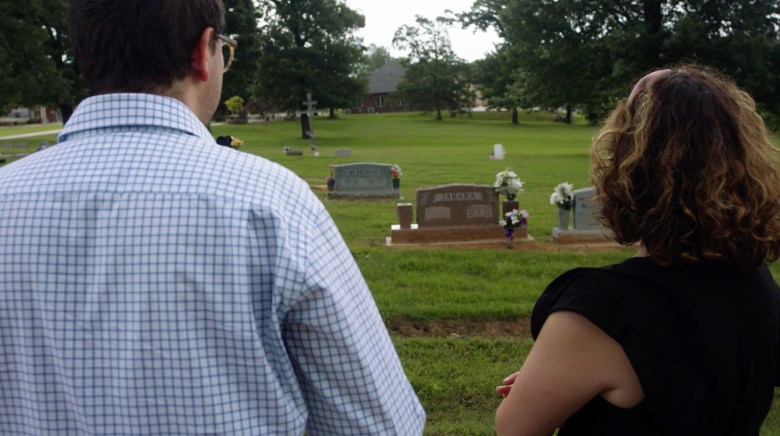
When the Jabara family fled civil war in Lebanon and landed in Tulsa some 42 years ago, their eyes were set on the more prosperous future they could build in their new home.
The children stood out from their classmates and sometimes faced racist taunts. But the opportunities they found kept the family going.
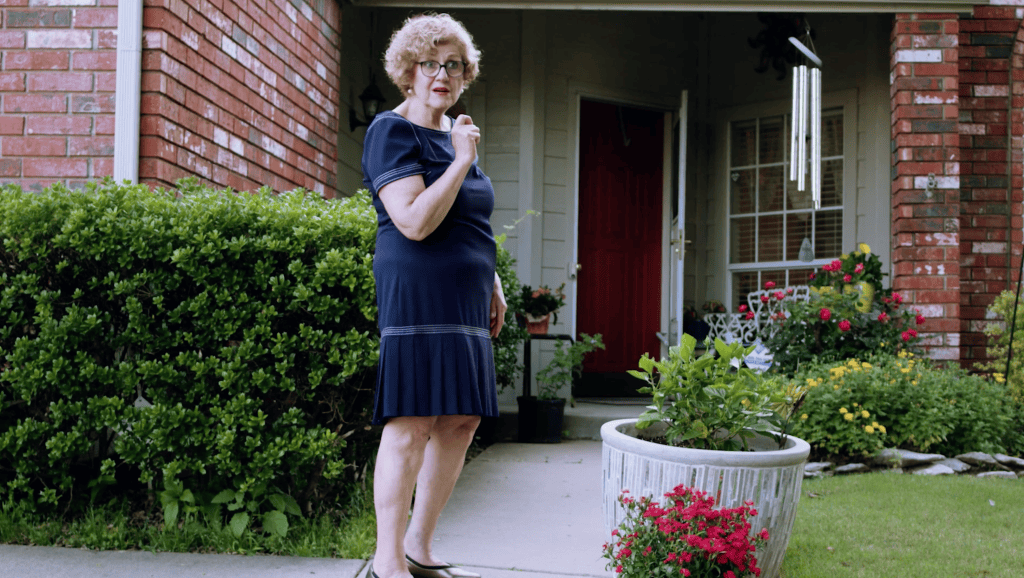
“We never thought anything will happen to us,” Haifa Jabara says on screen. “We are good citizens. We abide by every rule, and we thought we are fine. Until this hateful neighbor show(ed) up.”
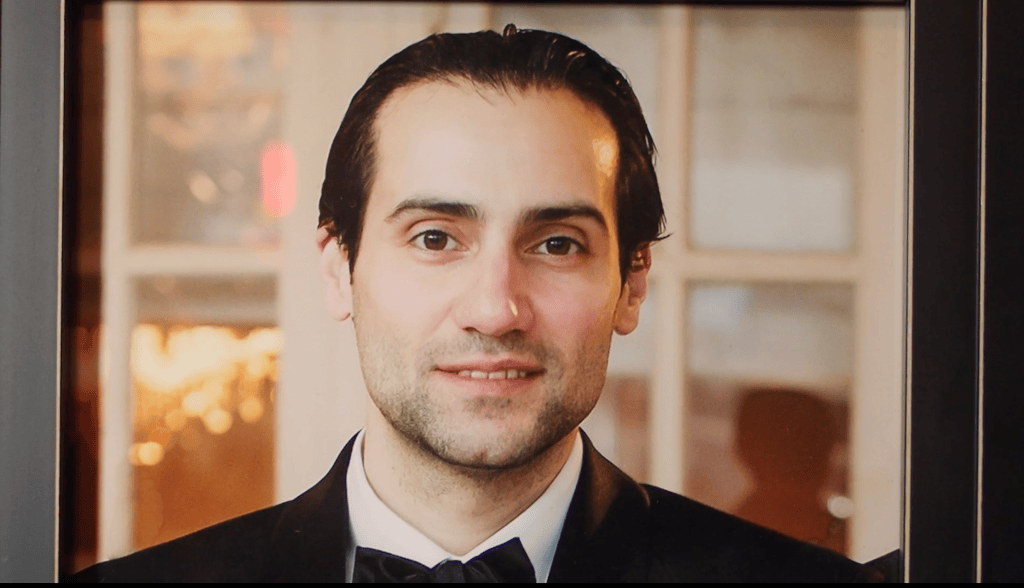
Longtime Tulsans know how the tragic story unfolded — with Haifa’s son, Khalid, dying in August 2016 at the hands of a man who had harassed and attacked the family for years because of their identity. The neighbor was convicted of first-degree murder and a hate crime, among other offenses.
In the decade since 37-year-old Khalid Jabara was killed, his family has carried on his legacy through a foundation and a 2021 federal anti-hate crime law bearing his name. Now they are telling their story in “American Hate – Survivors Speak,” a new documentary following the lingering aftermath of hate crimes on their victims, loved ones and communities.
Co-director and co-producer Arjun Singh Sethi is bringing the movie to Arab Film Fest Tulsa, which runs Nov. 13-16 at Circle Cinema, 10 S. Lewis Ave. Victoria Jabara, Khalid’s sister and foundation president, will speak with Sethi onstage following a Nov. 14 screening.
Arab Film Fest Tulsa returns for sixth year
The film festival features six films, including a documentary double feature Nov. 14. “American Hate – Survivors Speak” screens at 2 p.m. followed by “Who Killed Alex Odeh?” at 4:30 p.m. Arjun Singh Sethi and Victoria Jabara will speak between the two films.
Tickets for the double feature are $18 for adults and $15 for members and students. Tickets for either film are $12 and $10 for members and students.
Find more details about other films and prices for individual tickets and all-access passes here.
A civil rights attorney and activist, Sethi wrote a 2018 book tracking the impact of a nationwide surge in hate crimes. He found that survivors and their families struggled with mental health and physical challenges long after news cameras left town. Some reporters added to the burden families were facing, Sethi said.
“I spoke to survivors who found that journalists were following them at shopping malls, even at houses of worship, all because they wanted to land an exclusive interview,” Sethi said. “Often, they take those stories, get the clicks and move on. Survivors, meanwhile, continue to languish.”
He wanted to make a film that centered on survivor stories without creating “trauma porn.” Traveling everywhere from Charlottesville, Virginia, to Buffalo, New York, Sethi found key similarities in survivors’ experiences, including the repeated failure of institutions to protect people targeted by hate.
That was especially true in Tulsa, Sethi said, pointing to the Jabaras’ years of police reports and attempts to keep their assailant, who had previously struck Haifa with a car, from being released on bail. Khalid Jabara repeatedly called the police on the day he was shot and killed.
“If there was ever a truly preventable hate crime in America, it was the murder of Khalid Jabara,” he added. “You tell me who was helping that family, who was looking out for that family. Not the prosecutor, not the judge, not the police – no one.”
Each family and community processes their grief differently, Sethi said. The Jabaras focused on improving the documentation of hate crimes nationally. While his killer was convicted of a hate crime by the state of Oklahoma, the murder wasn’t included in federal FBI data. The Khalid Jabara and Heather Heyer NO HATE Act changed that.
Collecting more robust data is part of the solution, Sethi said, but it’s not the only piece of the puzzle. He hopes the film will inspire audiences to think about the root causes of hate crimes and how to prevent violence in their own communities.
Sitting in a theater and being confronted with the faces behind the headlines makes the issue much more difficult to ignore, he said.
“There is a history of racial violence, racial lynchings in this country, that we continue to ignore, that we insist on forgetting,” Sethi said. “What we’ve seen time and again is that hate violence continues, and it’s not a blue state or a red state problem. It’s not a liberal or a conservative problem. It’s fundamentally an American problem.”
Disclosure: Tulsa Artist Fellowship, which supports Arab Film Fest Tulsa, is funded by the George Kaiser Family Foundation. The George Kaiser Family Foundation has also provided funding for the Tulsa Flyer. News decisions at the Tulsa Flyer are made independently of our board members and financial supporters. Read more about our editorial independence policy here.