


A pair of military veterans and first-time candidates are challenging an incumbent who has served eight years on the Tulsa City Council.
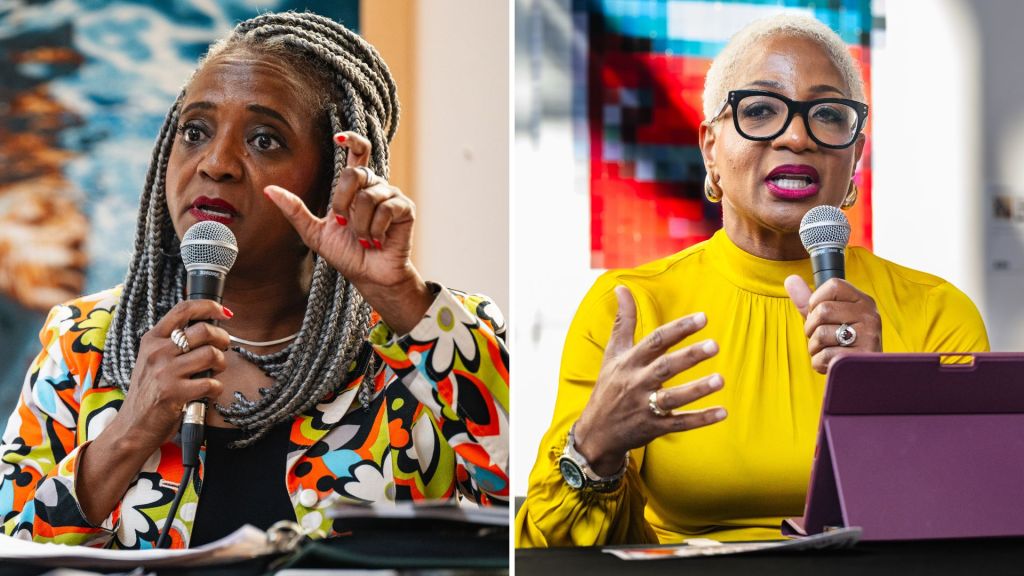
A retired opera singer, Lori Decter Wright is Tulsa’s District 7 councilor and the CEO and general director of Tulsa Opera. Kenny Wogoman is a single father and Army veteran concerned about public safety and schools. Dave Perry is an IT professional and Navy veteran focused on balancing the city’s budget.
Tulsa’s District 7 boundaries reach as far north as East 41st Street, east to South 145th East Avenue, west to South Sheridan Road and south to East 101st Street.
Meet the Candidates
A District 7 candidate forum is 6:30 p.m. Monday, Aug. 3 at Hardesty Regional Library, 8316 E. 93rd St. The free event is hosted by the Tulsa Flyer, Tulsa Press Club and Tulsa World. Those in attendance will have an opportunity to submit questions. Find a schedule of other forums here and find your district here.
Since Decter Wright was elected in 2018, the city has allocated more dollars and resources for more housing and to end homelessness than ever before.
“I do think we’ve seen a radical shift at the city as it pertains to homelessness, housing, and mental health,” Decter Wright said. “I put myself at the center of pushing for some of that stuff.”

Decter Wright said the city council laid the foundation for Mayor Monroe Nichols’ administration by asking the citizens to approve $75 million for housing as part of the Improve Our Tulsa 2 sales tax extension in August 2023.
“We’re starting to see that strategy come to fruition now that we have dollars accumulating, and there’s a lot of mechanisms now to get it out to the developers to incentivize affordable and workforce housing,” Decter Wright said.
However, she called public safety the city council’s “No. 1 charge.” She points to Tulsa’s equality indicators that show worsening racial disparities in arrests and use of force. She advocates councilors get more progress reports on those statistics.
“I think it’s very timely considering there’s also now a community conversation around who the next police chief’s gonna be,” said Decter Wright, referencing Chief Dennis Larsen’s recent retirement announcement.
Wogoman, a Tuttle native, is also focused on improving public safety and schools, saying the guiding light for his platform is his 3-year-old daughter, Eden.
“My last mission is raising that little girl to have a happy life and have a solid family,” Wogoman said. “Once I’ve successfully completed that, I know I did a good job.”
Wogoman, a Cherokee Nation citizen, said he wants to find ways to improve services for at-large Cherokee citizens. He graduated with a sociology degree with a basis in criminology from Oklahoma State University in 2016 after deployments to Iraq and Afghanistan.
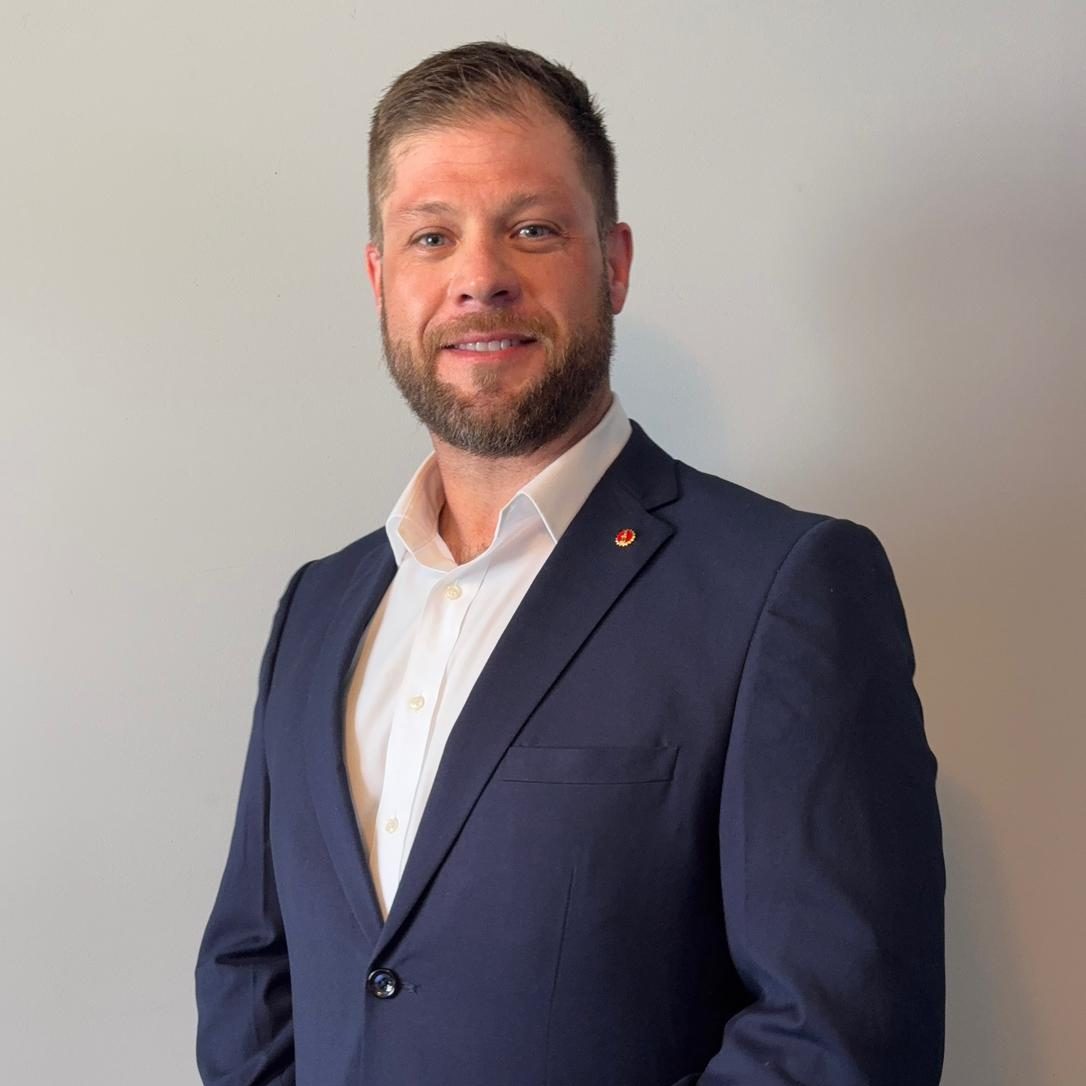
He said he supports police but is “adamantly against” adding additional cameras for law enforcement purposes.
“I think we have other ways to track down criminals,” Wogoman said. “I know that they sometimes will find criminals, but I also know that data for non-criminals is being abused.”
A southeast Tulsa native and a Union High School graduate, Perry is also wary of Flock Safety, calling it one of the “biggest mistakes that’s been made.”
“I know some of the security risks for Flock cameras… They can build additional profile information, and they haven’t proven that they’re keeping that data safe,” Perry said. “This is big brother territory, and I’m against that.”
On policing, Perry said he would prefer an internal candidate hired as the next police chief to have someone familiar with Tulsa.
“That said, if the right person shows up that aligns with our values, and aligns with the direction the Tulsa’s going, then, yes, we should probably hire them — at a commensurate salary,” Perry said.

Perry’s budgetary focus is on issues like infrastructure and building better neighborhoods.
“I think that we have gotten away from needs versus wants. We’ve started weighing in on the wants. We started spending money where we don’t need to be spending money, until after we take care of things like our local neighborhoods,” Perry said. “Stop the neighborhood decline. Increase and improve our neighborhoods.”
Perry pointed to Gilcrease Museum’s planned reopening next year as one example of the city focusing on “wants.” The new building cost $140.9 million, including $91.5 million from public funds and $49 million from private funds. Initially, the city planned on spending $83.6 million, including $73.6 million in public funds.
“I don’t even know how much total has been allocated. I just know that we keep throwing money at it,” Perry said. “I just don’t see the need to bulldoze it and start over. I can’t see how that was financially feasible.”

News decisions at the Tulsa Flyer are made independently of our board members and financial supporters. Read more about our editorial independence policy here.
