



A Minneapolis-based consultant is showing Tulsa church leaders how they can develop nearly 3,000 acres of their land to help meet the city’s need for 13,000 housing units.
During a mid-April meeting hosted by the city and George Kaiser Family Foundation, church leaders and developers viewed five case studies of churches that have embraced development strategies.
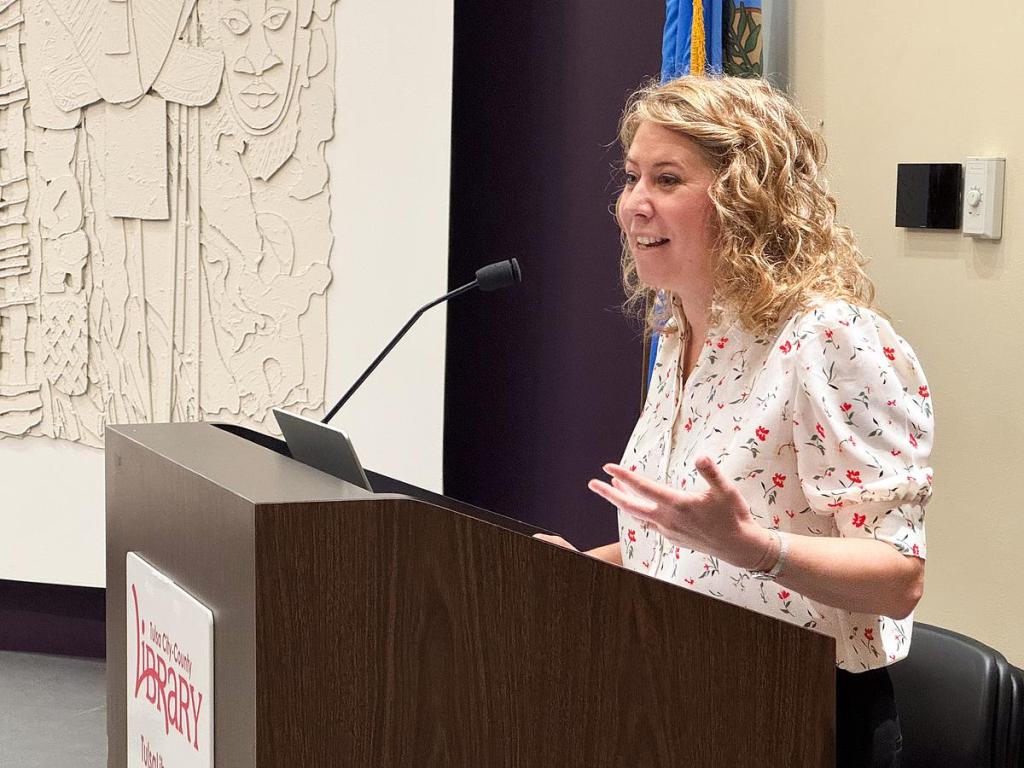
Presented by Proximity Project consultant Sara Joy Proppe, examples included building tiny homes, constructing single family homes that help keep residents in gentrifying areas and creating new multi-family communities that share resources with their congregations.
“This is where the mission of the church can tangibly connect to land, because not only are people in need of housing, they are in need of a place to belong,” Proppe said. “So our disconnection from place and one another has become incredibly detrimental to our welfare.”
Gene Bulmash, the city’s senior housing advisor, said 40 churches responded to the invitation to the forum, along with dozens of builders. The next step is to create five-member cohorts with Proximity, a church real estate consulting group, to train faith leaders. “If we have 50 churches that are interested, then we’re going to go to the funders and say, ‘OK, we need to fund 10 cohorts,’” he said. The money would cover the fee to work with Proximity.
Some congregations may also start projects on their own if they have a builder and existing relationships with developers.
Bulmash said Boston Avenue United Methodist Church is already vetting proposals.
Brandon Oldham, director of InvestNorth which is funded by GKFF, has been working with pastors in north Tulsa to envision what next steps for them could look like.
“What I heard from all the pastors was this broader belief that walking their faith could go beyond the walls of their church,” Oldham said. “We heard from residents that they want to see development happening in their neighborhoods.”
The developments sometimes go beyond just housing.
Antioch Baptist Church in far north Tulsa is in the process of forming a nonprofit arm to create more opportunities for youth, like an incubator for entrepreneurs or courts and fields.
Once finalized, pastor Marla Mayberry said they will appoint a board to review potential housing models to determine how they fit into Antioch’s geography and mission. One goal is mitigating gentrification and making sure legacy residents benefit.
As for north Tulsa’s Friendship Church, pastor Jamaal Dyer said they are already activating their plans to be a community hub for the neighborhood with their Harbor of Hope project, a youth community center next to the church.
“It will house three to four classrooms and a large communal space that can seat up to 300 people,” Dyer said, adding that a faith-based sports league could also come online in the future.
Disclosure: The George Kaiser Family Foundation provided financial support for The Oklahoma Eagle and Tulsa Flyer. News decisions are made independently of our board members and financial supporters. Read more about our editorial independence policy here.
