


The City of Tulsa is devoting $47 million to upgrade the city’s housing landscape. As the city council works out how Improve Our Tulsa 3 funds should be deployed, they are grappling with two big questions: Which Tulsa neighborhoods will their efforts focus on? And which could be left behind?
This is a collaboration between the city and the Housing Partnership Network, a nationwide network of nonprofit affordable housing developers and financial institutions. The mission is to create a viable plan with the tax dollars Tulsa voters stipulated should be used for a dedicated Housing Impact Fund.
The project is a continuation of a years-long mission by the city to modernize Tulsa’s infrastructure and residential landscape. The initiative started in August 2023 when Tulsa voters approved $75 million in sales tax revenue to be used to improve housing across Tulsa. City leaders spent a year working out a plan for how the funds should be deployed.
According to the plan, the $75 million should be spent on:
- $25 million for the Housing Grant Fund (managed through Tulsa Housing Impact Fund)
- $7 million for the Housing Investment Fund (managed through THIF)
- $10 million for the Housing Acquisition Fund (managed through THIF)
- $5 million for the Housing Preservation and Rehabilitation Fund (managed through THIF)
- $25 million for the Infrastructure Fund (managed by the City of Tulsa)
- $3 million for administrative, compliance and potential bond issuance costs
One key decision they made was to devote $47 million of the $75 million to affordable housing. But they left the decision about which neighborhoods would see the investment unresolved.
What developers say
Tulsa housing developers have differing views on where the investments should go. They don’t want this plan to be like past initiatives in which some areas of Tulsa were forgotten.
Tim Newton, executive director of the northside-based Tulsa Dream Center, thinks some of the funds should go to north Tulsa. West Tulsa, where the Dream Center also operates a campus, deserves more investment too, he said. Newton says he trusts the intent of Mayor Monroe Nichols’ administration, but he is wary of the city’s funding priorities.
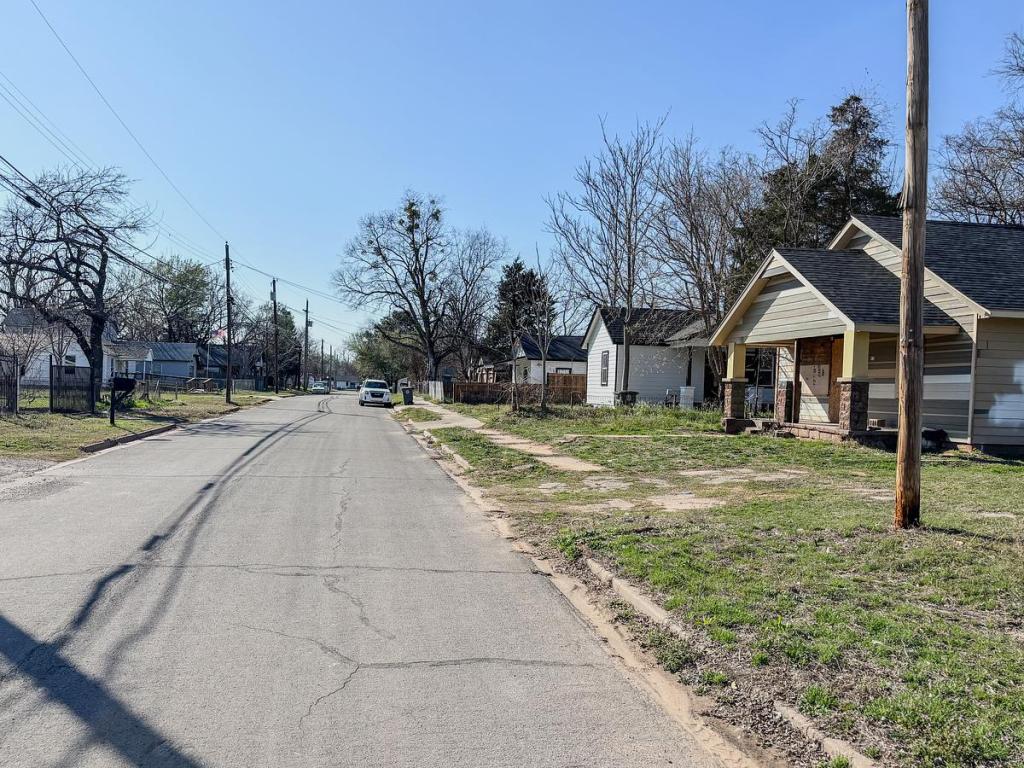
While Tulsa’s downtown master plan puts an emphasis on new urban revitalization, local developers are sounding the alarm over not knowing where the city’s latest multimillion-dollar housing effort is going.
“I build homes in particular in north Tulsa,” Newton told the Flyer. “If the funds can actually get in the hands of Black developers, it could be amazing. I am always typically a little more skeptical that the dollar is not going to get to all the individuals … When they build housing units, who is going to benefit from that housing unit being built, outside of the end user?”
Scott Gordon, another property owner and developer in north Tulsa, echoed Newton’s concerns. While the city has increased north Tulsa outreach, community leaders need to feel their impact is tangible.
“Being invited to meetings is important, but real progress happens when community leaders are also given a fair opportunity to access the funding and tools necessary to help build the solutions,” Gordon, owner of SLG Properties, said.
R. Louis Reynolds, a Tulsa real estate attorney and land use planning expert, thinks some of the funds should be used for downtown development. That would help Tulsa as a whole and make things more accessible for people, Reynolds said.
“(Downtown) is where people may not necessarily need a car to get to and from their work,” he explained. “And that can create a reduced household budget, which is generally a good thing. The idea of just microfocusing on some small place, some part — that is just hard to do. You have to weigh those benefits, and it will come out and I think the city will do a good job with it.”
Reynolds, who has worked on housing in various areas of the city, points out that wherever the new investments are made, they will increase property value and tax revenue. The city is “doing the best they can” to pinpoint the best areas in Tulsa to create more affordable housing, he said.

What is the city’s goal?
In interviews with the Flyer, city officials acknowledged their existing development plans downtown and elsewhere could use funding. But they point out other areas could also benefit from more investment.
With hundreds of homes and businesses slated for demolition since 2020 and no indication of where the new 6,000 units will rise, the Nichols administration faces a challenge in turning voter-approved dollars into community revitalization.
“These funds are not directed to one particular part of town — so this would be hard to say in any objective way. It would be more accurate to say they are being used citywide and will benefit the entire city,” said Carson Colvin, communications director for the City of Tulsa.
Colvin added there are other areas in the city that include “vacant and abandoned” properties, but the city has not identified what locations those are.
“I am thankful to the voters for approving the Improve Our Tulsa 3 housing funds,” Tulsa City Council Chair Karen Gilbert said in a statement.
“In implementing these funds, our priority is to ensure that every dollar is invested with transparency and in a way that creates a lasting impact for our community,” she added. “Our work with Housing Partnership Network enables us to leverage public dollars with private capital and hold ourselves accountable as we work collectively to create and preserve housing opportunities for Tulsans.”
What does Nichols want?
The mayor’s office says he hopes to accomplish a clear goal by 2028 for using the funds.
“This work reflects months of collaboration between the Mayor’s Office, City Council, philanthropic partners, and housing advocates,” Nichols said in a statement.
“Voters have made it clear that housing is a priority, and we are building the structure needed to ensure these dollars are deployed strategically, transparently, and at the scale our community needs,” he added. “I am confident that with the help of these kinds of investments, we will be able to reach our goal of 6,000 new affordable housing units by 2028.”
News decisions at the Tulsa Flyer are made independently of our board members and financial supporters. Read more about our editorial independence policy here.