

On the heels of Tulsa Public Schools passing a $609 million bond package, a new coalition says Tulsa families need another $30 million annually to support child care and after-school programs.
The Yes for Tulsa Kids coalition launched Wednesday, pushing for local support to fill gaps left by pandemic-era funding cuts to child care and after-school programs. The group cited then-Mayor Jim Inhofe’s 1980 sales tax and former Mayor G.T. Bynum’s 2018 Vision Tulsa funding as precedents, but noted a lack of similar support in recent years.
“With so many funding cuts, without a new commitment or new revenue source the gains for Tulsa’s children are slipping away,” said Lauren Sivak, executive director of the Opp Project, which connects families to after-school programs in Tulsa. “At the same time, the cost of child care is becoming prohibitive for too many Tulsa families and state-level cuts will make things harder.”
Nearly 20 nonprofits and philanthropies are publicly involved in the nonpartisan coalition, including Charles and Lynn Schusterman Family Philanthropies, the Tulsa Women’s Commission, the Terence Crutcher Foundation and MET Cares.
There isn’t a specific plan for how that $30 million would take shape — whether through a voter-approved tax increase or newly appropriated city funds. The coalition points to voter-approved initiatives in Louisiana, Texas and Florida that created dedicated tax revenue for early childhood or funded entirely new entities for children, youth and families within a county.
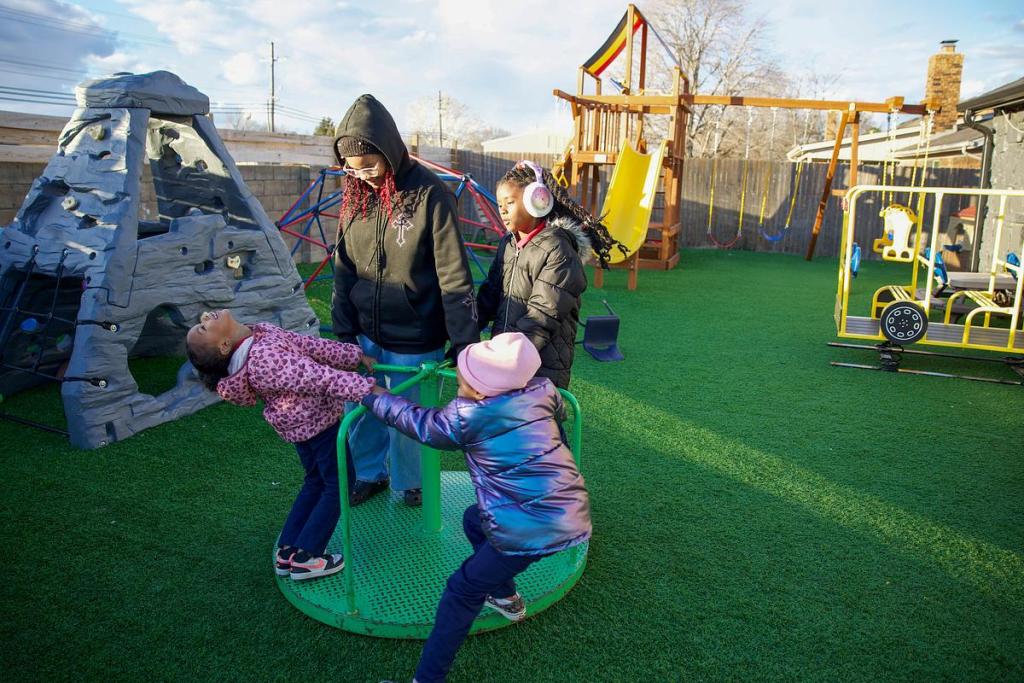


In Tulsa, the Mayor’s Office of Children, Youth and Families is funded through appropriated taxpayer dollars — $390,000 so far. Created through Mayor Monroe Nichols’ first executive order, it mostly focused on convening leaders and planning new efforts in its first year.
The Yes for Tulsa Kids effort started with City Year Tulsa, a national service program connecting young adults with community service positions, and the Opp Project in 2023. The next year, CAP Tulsa joined and the group met with the newly sworn-in mayor.
Nichols pushed for a citywide sales tax increase last year to generate $80 million for programs to address homelessness and public safety issues. That proposed 0.7% hike is all but dead, lacking support from city councilors.
Last year, the coalition attended the Children’s Funding Summer Institute, a three-day workshop to help “teams of community leaders gain the tools and expertise they need to win a ballot campaign for a voter-approved children’s fund.” In January, they began meeting with city councilors.
“I can’t speak on behalf of all my colleagues, but we have your backs, and I know we can do more,” City Councilor Laura Bellis said to Tulsa Public Schools staff and supporters after the bond package passed April 7. “And I know that the mayor’s committed to that too — please, please let us know what the City of Tulsa can do to help.”
The package earned more than 80% of the vote for all four propositions, drumming up excitement from supporters about the city’s interest in taxed support for youth.
“I believe the citizens of this town deserve an opportunity to go and vote whether or not they appreciate that sales tax increase or not, I’m all in,” TPS board member Stacey Woolley said on election night. “So let’s have that conversation again.”
The coalition promises a spring series of community conversations where its report on the state of youth funding will be discussed with families. Nichols also announced a different slate of community conversations this spring across the city.
News decisions at the Tulsa Flyer are made independently of our board members and financial supporters. Read more about our editorial independence policy here.
