

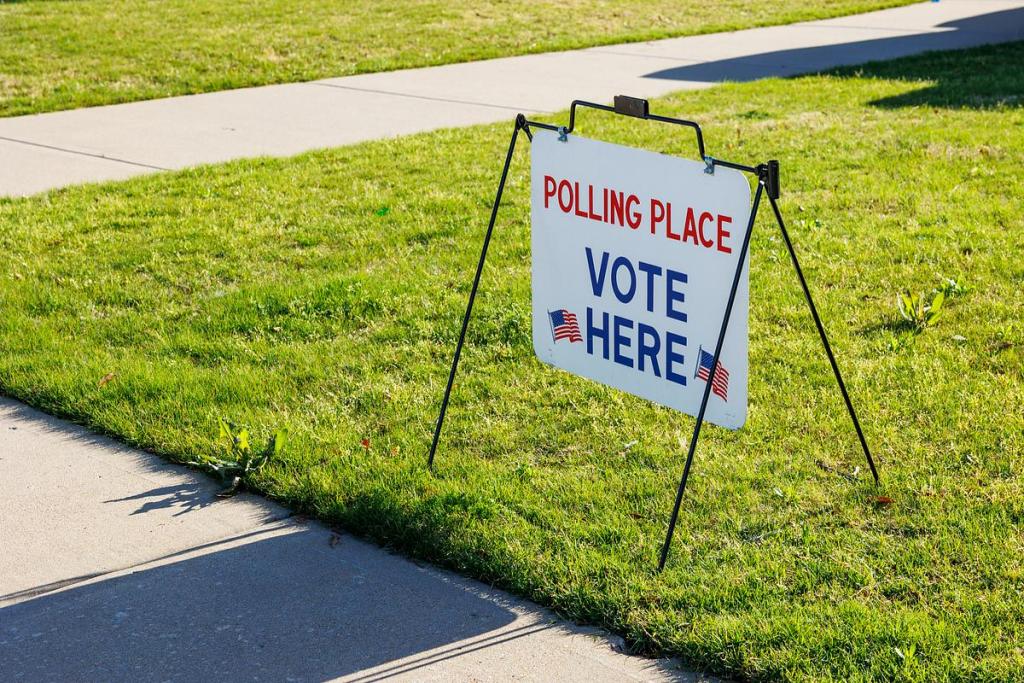
Broken Arrow voters approved seven of eight propositions Tuesday that pump $415 million into the city for various projects by an overwhelming majority. But more than 60% of voters said no to a temporary sales tax for sports complexes.
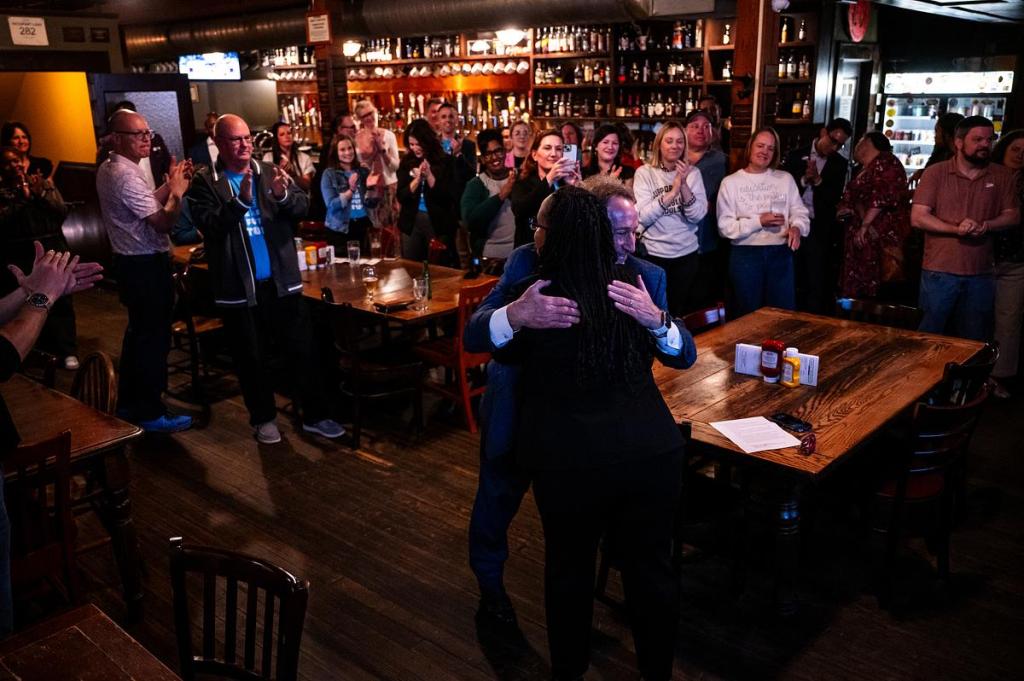
The mood of City Councilors and supporters attending a watch party was that the vote was still a win.
Broken Arrow Mayor Debra Wimpee said she was disappointed in the defeat of Proposition 8 that would have upped sales tax by .5% for five years. She said the failure was likely due to two reasons: rising inflation and gas costs and the Wagoner County vote last February that approved a 15-year, quarter-penny sales tax increase to pay off a $13.5 million settlement for a jail inmate’s death.
“I don’t like sales taxes, either, and I understand where the voters are coming from. But I thought that knowing how spending $100 would only cost 50 cents people would support it,” Wimpee said. “Also, more than half the tax would be from people from outside Broken Arrow.”
Wimpee attributes the passage of other propositions to the city’s track record of projects. At least 75% of the 2018 bond projects are complete or in progress.
“When we make a promise, we keep it,” Wimpee said. “This is a win because we have $415 million to make the infrastructure and quality-of-life improvements we need.”
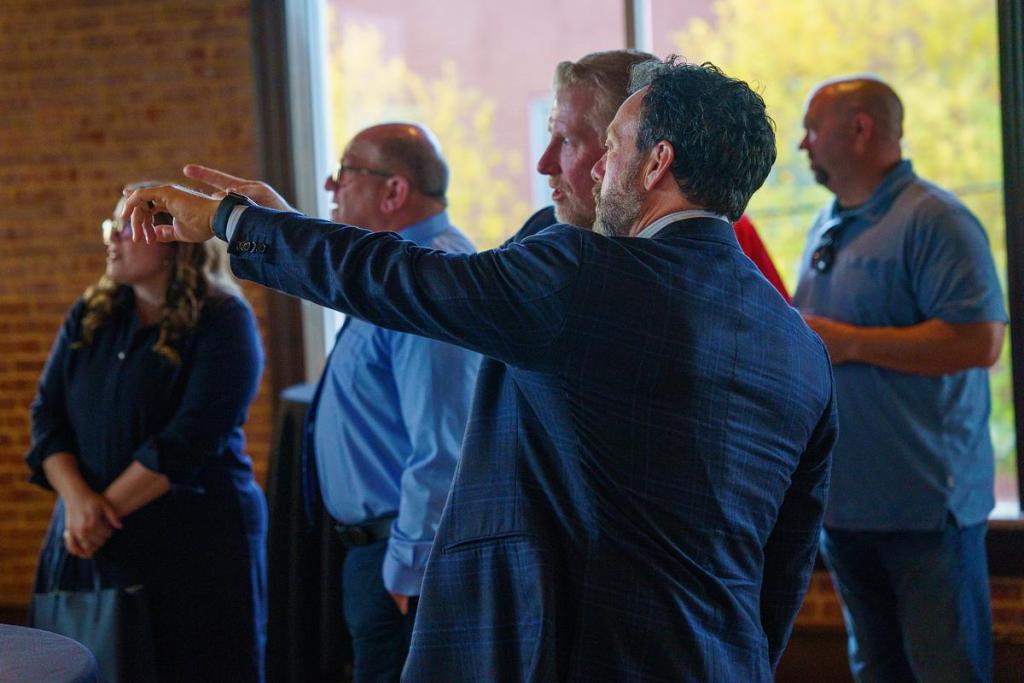
In each of the approved propositions, voters passed those with higher or the same percentages than in the 2018 bonds, said City Manager Michael Spurgeon. Approval ranged between 66% to nearly 75%.
“This tells me the community is supportive of the direction of the city,” Spurgeon said. “Despite a lot of opposition, Broken Arrow voters turned out to approve these projects by a larger percentage than before. That is gratifying. This shows us that Broken Arrow consistently supports projects for public safety, infrastructure and quality of life.”


Proposition 8, the only proposition that failed, would have increased the sales tax to pay for $53 million in major renovations at the sports complexes of Indian Springs, Arrowhead, Challenger and Neinhuis. The defeat means the sports complexes will not get the upgrades. The current sales tax level covers daily city operations.
The largest portion of the bond — $205 million — was in Proposition 1 for transportation improvements such as widening roads and improving intersections.
Proposition 2, worth $56 million, focused on public safety with new fire trucks and a southeast fire station.
The quality-of-life projects in Proposition 3 heavily targeted Elam Park with a new community center, pickleball courts and splashpad at a price tag of $74 million.
Proposition 4 for public facilities will expand the senior center, Rose District plaza, history and veterans centers for $65 million. Propositions 5 and 6, totaling $11 million, will improve stormwater and drainage.
Proposition 7 will create a partnership between the city and Tulsa City-County Library to build a South Broken Arrow Library. The library system would pay $9 million, and the city would chip in $4 million.
For every dollar paid in property tax in Broken Arrow, about 13 cents goes to paying off general obligation bonds and legal judgments. The last bond package passed in 2018, amounting to $210 million across six propositions. About $22.1 million of that is paid off and 74% of the projects are complete or in construction.
“It normally takes 12 to 13 years to complete a 10-year package because bonds sold for projects in years nine and 10 still take the same amount of time to complete as bonds issued earlier in the package,” Spurgeon previously told the Flyer.
The debt of a general obligation bond is typically paid off 20 years following the date when it was sold, Spurgeon said. In the case of the 2026 bond, the city expects to sell its final bond by Dec. 1, 2037. The final debt payment would be made in 2057.
News decisions at the Tulsa Flyer are made independently of our board members and financial supporters. Read more about our editorial independence policy here.