A city councilor is considering a moratorium on hyperscale data centers in Tulsa until the city can update zoning codes — a process that could take months.
Councilors unanimously voted Wednesday to kickstart that process. The goal is to specifically define hyperscale data centers in zoning codes and outline where they can be built in city limits. District 4 Councilor Laura Bellis, who represents parts of downtown and midtown Tulsa, spearheaded the effort.
She described the data center industry as “kind of a runaway train.”

“And if we don’t do something now, there are going to be so many unintended consequences for people that we have no idea about today,” Bellis said during a Wednesday committee meeting.
Currently, data centers are characterized as low impact industrial use in the city’s zoning code. Bellis argues they should be considered moderate impact industrial use. That change in language would prohibit data centers in certain parts of the city based on zoning.
The potential policy changes come as data center proposals flood the Tulsa region, including Project Anthem, an $800 million data center campus planned for east Tulsa. That proposal is still up for final approval after delays due to zoning and questions about potential environmental impacts.
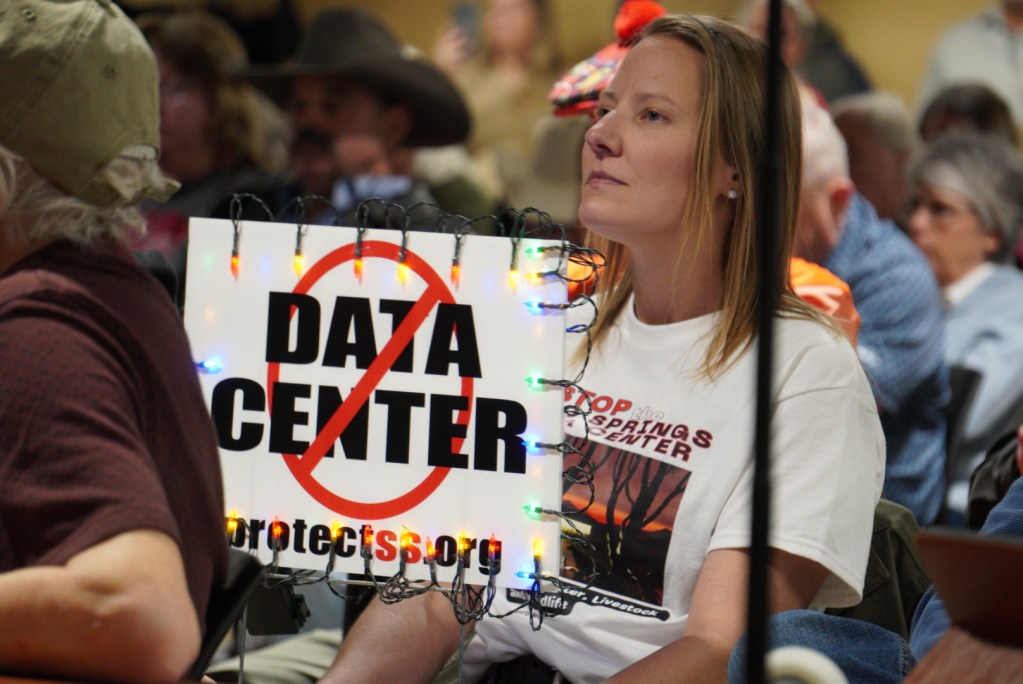
Data centers have drawn contentious debate between elected officials and residents, and that tension was on display during the Feb. 11 committee meeting. District 6 Councilor Christian Bengel, who represents east Tulsa, expressed frustration that he was not included in any data center zoning conversations because it directly impacts his district.
“Obviously we are talking about my district where this data center is going. I wasn’t invited to this conversation so I kind of take offense to that,” Bengel said to Bellis.
Bengel noted Project Anthem would be the first data center at its proposed scale to be built in Tulsa city limits.
“I want to be very careful about knee-jerk reaction to what we constantly see of adversarial behavior in data centers,” Bengel said during the meeting.
Can data centers operate under Tulsa’s existing ordinances?
The Tulsa Flyer obtained records of emails and memos between City of Tulsa staff discussing concerns from Project Anthem’s representatives about the city’s nuisance sound ordinance.
In an Oct. 17, 2023, memo, City of Tulsa zoning and sign official Michael Rider recaps a virtual meeting with various city staff and representatives for Project Anthem — including Michelle Hirst of Olsson Engineering, an engineering firm involved in the project.
Rider writes that Hirst expressed concerns during that meeting with the nuisance sound ordinance, calling it subjective because it relies on a “reasonable person” standard. In that meeting, there was a proposal to revise the noise ordinance in favor of a decibel-based standard.
According to the memo, city staff said ordinance changes had to be initiated by the city council but said the existing ordinance has worked well for years, even when challenged in court.
City staff also pointed out that low frequency sounds, such as base and vibrations, can’t be measured on the same weighting scale as high frequency sounds, according to the memo, whereas a reasonable person can detect low frequency sounds in their body or a structure.
An April 17, 2024, memo written by Rider ahead of an upcoming meeting with various city employees further detailed the differences in a decibel-based standard and the reasonable person standard Tulsa has had in place for more than 20 years.


“Tulsa’s nuisance sound ordinance is based on the reasonable person standard for a reason. It has – for decades – allowed for a more comprehensive evaluation of sound disturbances, taking into account factors beyond just decibel levels,” reads the latter memo from Rider.
According to the October 2023 memo, Hirst also shared concerns over emergency abatement provisions of the noise ordinance. Emergency abatement is when immediate action is taken due to possible public safety or health concerns.
The memo recounts Hirst’s concerns that those provisions “could be invoked by an over-zealous code official who may have been having a bad day that day.” But city staff said internal procedures would prevent that kind of misconduct.
Ultimately, Rider recommended no changes to the nuisance sound ordinance.
Councilors have never initiated discussion about changing that ordinance to accommodate data centers, but Bellis says even the suggestion is telling.
“To me it’s like them (Project Anthem) admitting there are offsite impacts to people and businesses nearby, because why else would they want to change that policy unless it is something that they know happens,” Bellis said. “Which then means that we have it classified incorrectly right now for these large data centers.”
In the meantime, Bellis is still weighing whether to officially propose the moratorium on hyperscale data centers.
Editor’s note: The original version of this story incorrectly reported Bellis’ council district as district 4 in northeast Tulsa. This story has been updated.
News decisions at the Tulsa Flyer are made independently of our board members and financial supporters. Read more about our editorial independence policy here.