


There’s a scene very early into the 2021 HBO documentary “A Choice of Weapons: Inspired by Gordon Parks” where Parks stands on the roof of a New York City building.
It’s an image that calls back to those comic book illustrations of Spider-Man or Batman standing at a roof’s ledge as they watch over New Yorkers while waiting for the right time to use their weapon of choice. In Parks’ case it’s a camera he’s holding as his tightly-pulled, tan trench coat ripples in the wind – sort of like Bruce Wayne’s cape.
“I saw that the camera could be a weapon against poverty, against racism, against all sorts of social wrongs,” Parks once said.
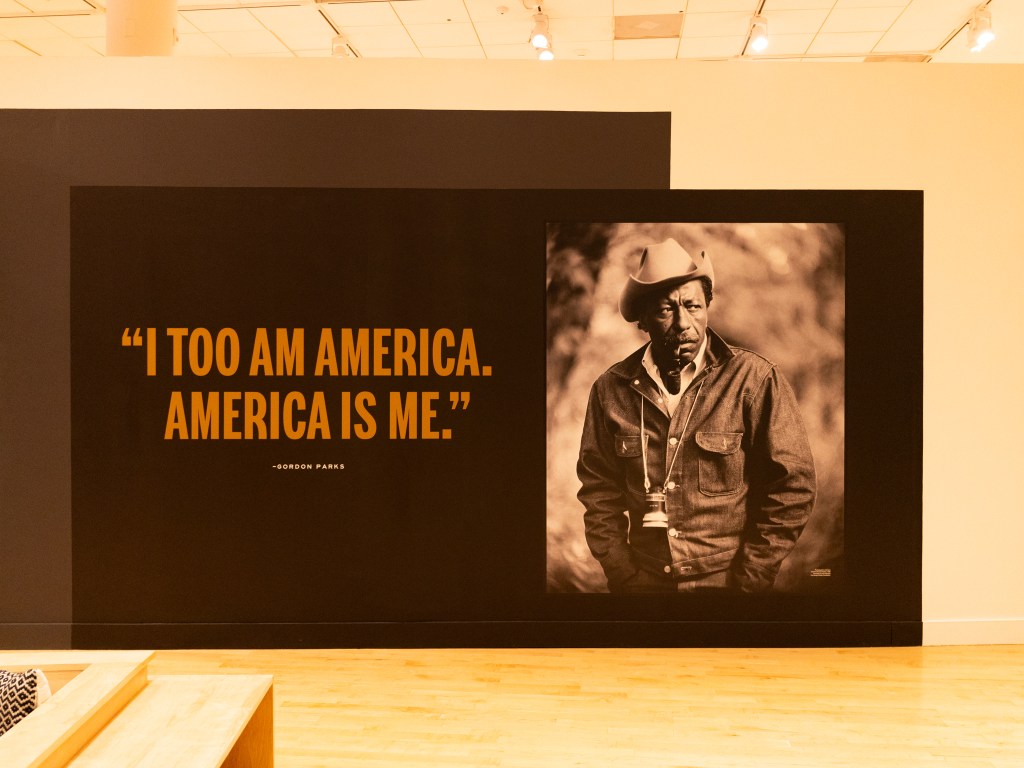
Starting this week Philbrook Museum of Art, 2727 S. Rockford Ave., is hosting “Homeward to the Prairie I Come: Gordon Parks Photographs from the Beach Museum of Art.” The exhibit runs through June 19.
Parks is one of America’s most influential photographers of the 20th century known for his works capturing the life and culture of the times, including the Civil Rights Movement.
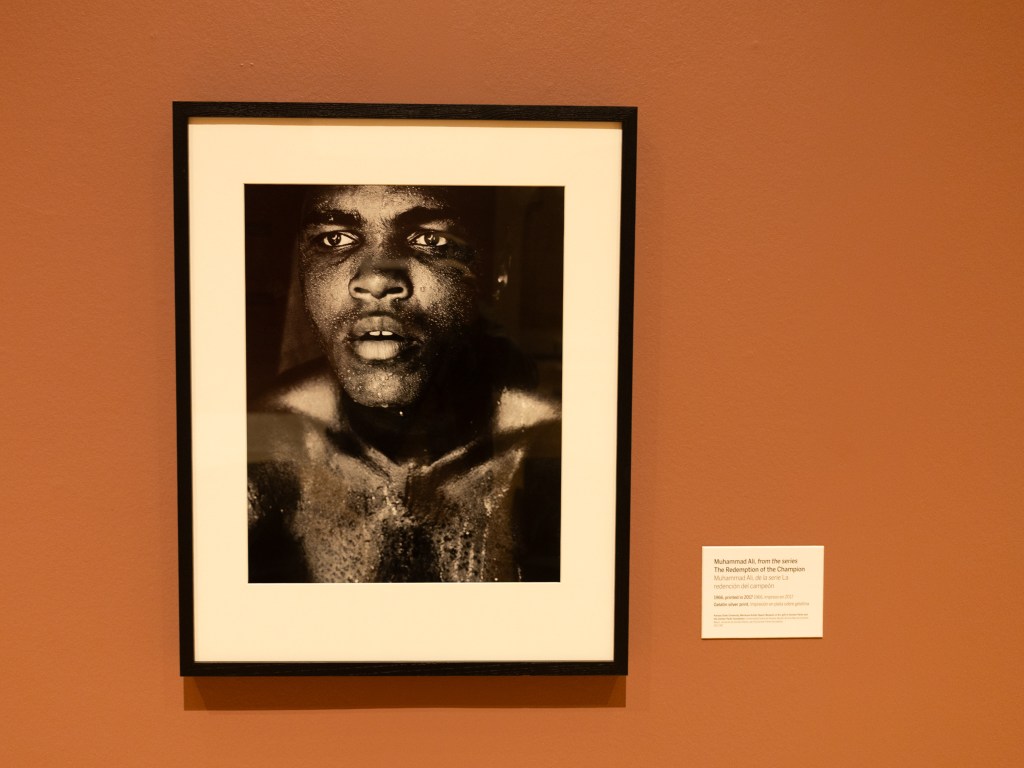
The exhibition features more than 70 photographs, including images captured by Parks from the 1940s to 1970s. There are striking portraits of Malcolm X and Muhammad Ali among many others, including fashion assignments at “LIFE” magazine.
Following his work as a photojournalist, Parks embarked on a film career directing “The Learning Tree,” based on his semi-autobiographical coming-of-age novel, “Shaft,” and “Shaft’s Big Score!” for which he also composed the score.
The Kansas native died in 2006.
On March 6, Philbrook will host a conversation on the influence of Parks’ work with Black photographers Dudley Brooks and Fred Sweets — moderated by me.
Brooks is the former deputy director of photography for The Washington Post. He was also the photo editor of The Washington Post Magazine before its discontinuance in December 2022.
Sweets started at the St. Louis Dispatch before working as a photographer and editor for The Washington Post as well as the L.A. Times and Associated Press among others.
On May 1, Tulsa Flyer and The Oklahoma Eagle executive editor Gary Lee will moderate a conversation on the power of Parks’ words. More details coming soon.
The museum is also hosting two other exhibitions that run through June 14.

“Marie Watt: Heart in the Sky”
The exhibition includes Marie Watt’s (Seneca) monumental silver cloud forms made from jingles composed of rolled tobacco tin lids. The jingles are normally used in regalia for a Jingle Dress Dance meant to heal the community. Watt uses them to densely adorn the hovering clouds. She invites attendees to touch the clouds to activate their healing sounds.
Alongside the clouds is a large neon work composed of the names of the 13 moons that mark a year for the Seneca and other Haudenosaunee tribes, illuminating the space with a soft glow of significant markers for harvest, celebration or ceremony, according to the museum.
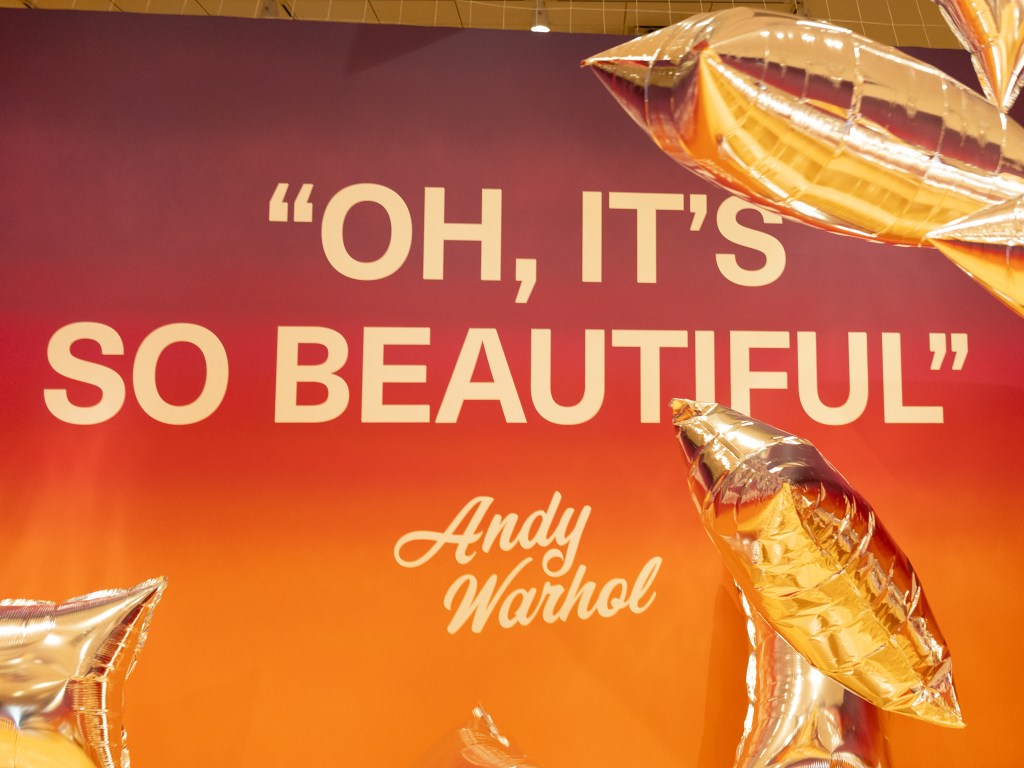
“Andy Warhol: Silver Clouds”
In 1964 iconic pop artist Andy Warhol reached out to engineers to help him create a “floating painting.” Their solution was Scotchpak, a new material at the time that was primarily used to wrap sandwiches. Warhol insisted they use it to make clouds — and the weightless, dreamy sculptures were born, according to the museum.
Philbrook visitors are encouraged to touch and move among the silver clouds as they float around the gallery.
News decisions at the Tulsa Flyer are made independently of our board members and financial supporters. Read more about our editorial independence policy here.