


Transitioning into civilian life after the military poses a variety of issues for veterans. For 15 years, a Tulsa nonprofit has helped veterans find community through conversation — and a cup of coffee.
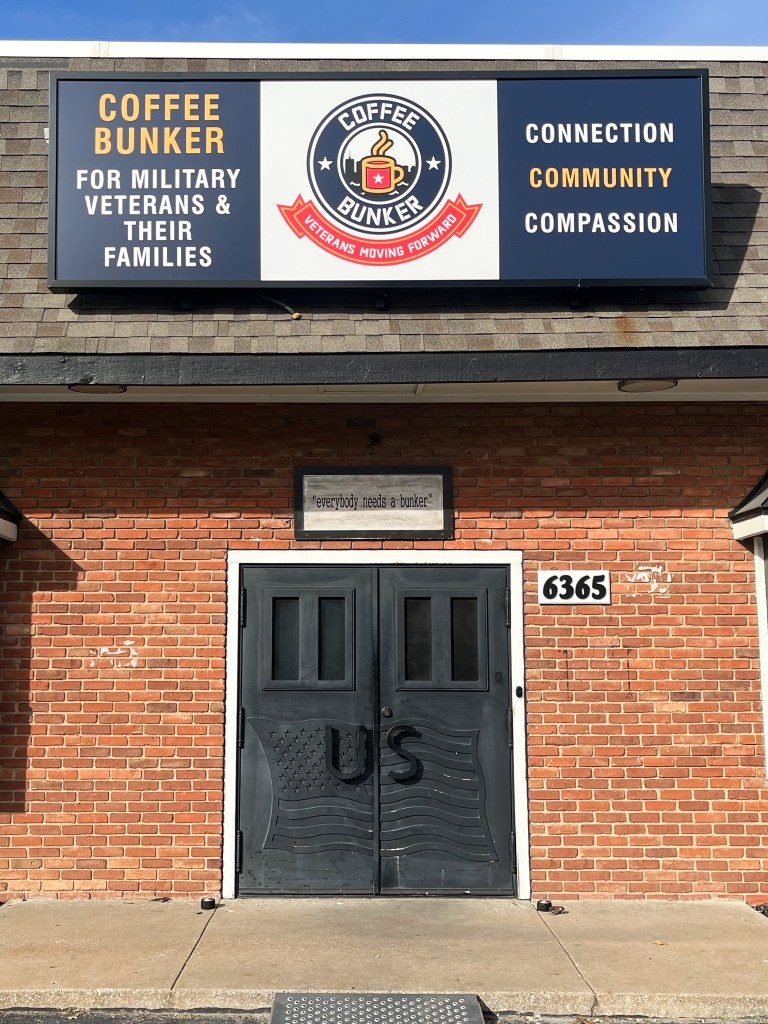
The Coffee Bunker near 41st and Sheridan provides a range of services for veterans, from employment to education and many things in between. However, it’s the camaraderie that provides a sense of community and belonging.
Navigating civilian life together
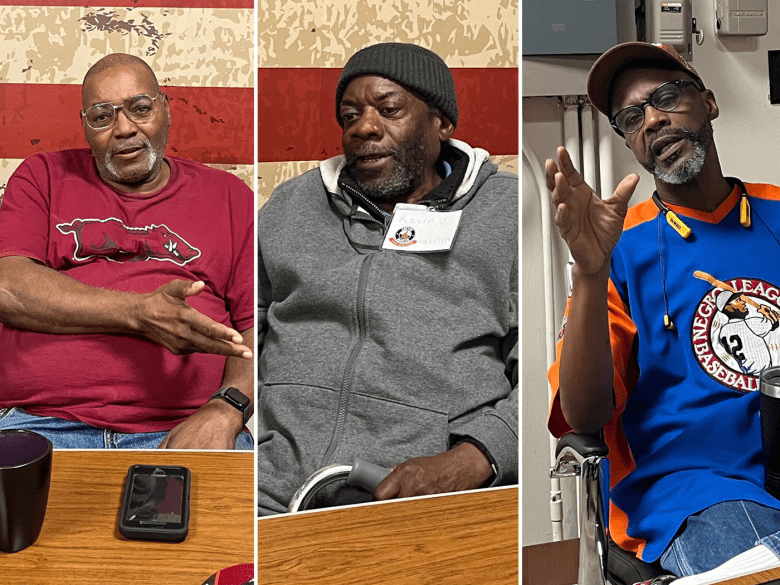
Harold Shannon is a 69-year-old veteran from Arkansas who served two years in the U.S. Marine Corps. He says he found his way to the Coffee Bunker two months ago and it is the best veteran-oriented group he’s participated in.
“You get to talk to different people that are going through what you’re going through. I like that,” Shannon said. “They have the best information to help you get through what you’re going through. It feels like I’ve been moving forward since I’ve been coming here.”
Kevin Wright is a 65-year-old U.S. Army veteran from Milwaukee who served six years as a combat medic. He’s been visiting the Coffee Bunker since they opened and says he’s been a mentor to other veterans along the way.
“I get enjoyment out of doing it,” Wright said. “The fulfillment part is seeing that a person who thought they could not receive, can receive.”
James Caddy is a 54-year-old native Tulsan who served eight years in the U.S. Army at Fort Sill. He says the people at the Coffee Bunker care deeply about one another.
“This place, for me, it’s a safe place,” Caddy said. “When I come in, I feel calm because I know the people that work here, they do care.”
The scars of military service
Shannon, Wright and Caddy each have scars from their time in the service — physically and mentally. At the Coffee Bunker, they talk through their issues and help each other try to navigate.
Shannon was medically discharged from service in 1977 due to pseudofolliculitis barbae, an inflammatory reaction caused by shaving that most commonly affects Black men. Since being discharged, he’s had knee and hip surgery.
“We did a lot of marching. We did a lot of crawling on our knees, crawling on our back. We did a lot of running,” Shannon said. “All that caused the other stuff.”
During Wright’s time in service, he injured his left knee, which he said caused a “misalignment” for the rest of his body over time, leading to several surgeries.
“As time went on, it wore down from the left side to the right knee, the ankles, all the way up to my back,” Wright said.
Now, Wright is grappling with a cancer diagnosis.
“I’m in a medical procedure now that could be life or death,” he said.
Caddy said he has struggled to maintain relationships since his general discharge under honorable conditions in 1997.
“From that, it had been going downhill. I have never been in a long relationship because of service. I have never been married,” Caddy said. “As the years have went on, it’s been up and down.”
In the years since, Caddy said he struggled to find the right help from the U.S. Department of Veterans Affairs.
Shannon said life after service would be easier if the government provided an advocate to make servicemen and women aware of what resources are available.
“The same way the recruiter recruits you to get in, once you do your time and you get out, I think they ought to have somebody to sit down with you,” Shannon said. “They did that much to get you in there, but then when you get out, you’re on your own, partner.”
Wright said ultimately each veteran has to seek out what they need.
“Each person is an individual, and to seek out more information, you go to where you can get that information and then take care of it. That military has a way of doing it. The government has a way of doing it,” Wright said. “They will not help me unless I want help and I’m seeking it.”
All three are optimistic about the James Mountain Inhofe VA Medical Center, which is expected to open early next year in the OSU Academic Medical District. A group of Tulsa leaders will gather Tuesday to commemorate transferring the land to federal government ownership.
“When that happens, that will be awesome and that will be right on point, but I’m still wondering, is it going to change as far as what’s going on inside?” Caddy said.
‘Thank you for your service’
Enduring their physical and mental struggles together, Shannon, Wright and Caddy have found community at the Coffee Bunker — and in Tulsa at-large.
“People look up to veterans here even more than my hometown. If you go out somewhere, someone will walk up to you, reach out their hand and say, ‘thank you for your service,’” Shannon said. “They do that a whole lot here — not just on Veterans Day. It’s an everyday thing. I wasn’t used to that.”
Despite the medical hardship Wright has faced since being discharged, he does not feel an ounce of regret for his service.
“Would I do it all over again? To serve my country, yes, I would,” Wright said.
Shannon said he wished his body could have kept up with his desire to serve.
“If I were healthy enough or able to go back in and do it over again, I think I would,” Shannon said. “Instead of me getting out in two years, I think I would do a 20-year career.”
How to get help
The Coffee Bunker offers a range of support for veterans, including food, housing, help with the claims process, education and employment and peer support.
Click here to submit a request for assistance.
News decisions at the Tulsa Flyer are made independently of our board members and financial supporters. Read more about our editorial independence policy here.
