


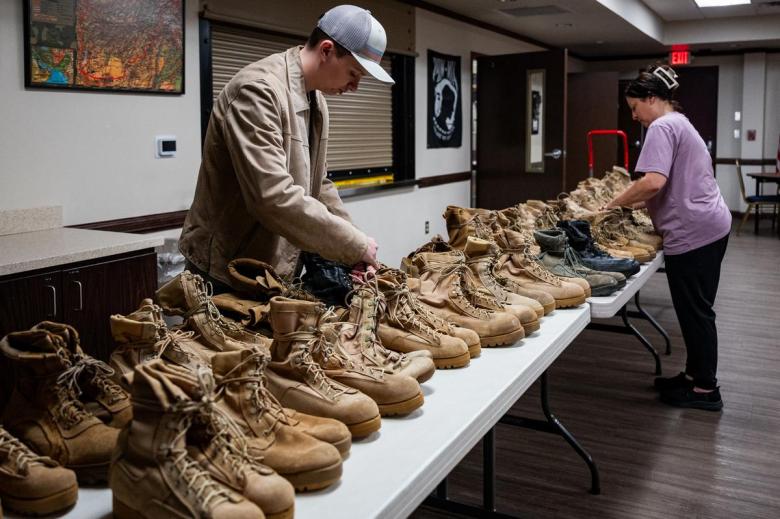
Jeremy Founds was serving in the Marines when 9/11 happened. He was deployed to Iraq in 2005, and 48 of his fellow Marines died in combat.
“And we’ve lost just as many to suicide back home,” Founds said.
Founds is now a social worker focused on veterans and says building social communities specifically for them remains critical for mental health. Veterans are best at breaking down stigmas and stereotypes for other veterans.
“The more we connect people to people, the better outcomes we have,” the Tulsa-based case manager said.
But Oklahoma is struggling. The numbers are as breathtaking as they are grim.
The veteran suicide rate in the state is 56.9 veterans per 100,000. That number stands out no matter the category of comparison:
- National veteran suicide rate: 35.2
- Southern region (17 states) veteran suicide rate: 36
- Southern region general population suicide rate: 29.2
- Oklahoma general population suicide rate: 27.8
- National general population suicide rate: 18
Oklahoma ranks third nationally in the veteran suicide rate behind Nevada (61.2) and Utah (59.5).

Reasons unique to the state are lack of treatment and risk detection, according to a 2022 report from the Tulsa-based Healthy Minds Policy Initiative. It found veterans who died by suicide are less likely to have received mental health treatment than other Oklahomans who died by suicide and more likely to have no recorded risks, such as ideation or prior attempts.
Oklahoma has the highest concentration of veterans living with a service-related disability, aligning with the report’s finding that 41.8% of veterans who died by suicide had a physical health issue.
And only 20% of Oklahoma has a VA health care provider within a 30-minute drive. The James Mountain Inhofe VA Medical Center, a new 273,000-square-foot, 58-bed hospital, is expected to open in Tulsa this year.
Front-line workers say veterans also have experience with and access to firearms in a state with little to no gun regulations.
Nearly 78% of Oklahoma veteran suicides are from firearms. That method is used more than in death by suicide in the general population nationally, regionally or statewide.
The VA offers several mental health and suicide prevention programs, but it also refers to community providers such as CREOKS and GRAND Mental Health.
“A big misconception that people have about veterans’ mental health is that they’re either fine or they’re in crisis. Most people we work with are somewhere in the middle,” said Shannon Lucas, team leader for CREOKS Veterans Services. “There are people who are functioning but struggling, and that’s where a lot of work needs to happen.”
Providers are often asked what families and community members can do to help, Lucas said.
“The answer is staying connected and staying consistent,” she said. “You don’t have to have the right words. You just have to be someone who doesn’t go away when things get hard. Consistency matters more than people realize.”
Nonprofits dedicated to creating veteran connections in meaningful, accessible and non-intimidating ways include the Coffee Bunker at 6365 E. 41st St. and the Owasso-based Eagle Ops, which holds events across the state.
The Coffee Bunker was founded by Tulsan Mary Ligon after the death of her son, Marine Cpl. Daniel Ligon, by suicide in June 2007. It offers free daily meals for veterans to meet each other, along with a food pantry and on-site social workers, who assist in navigating to resources from the VA to job training.
Eagle Ops was founded a decade ago by Marine veteran Johnathon “Shep” Shepherd and his wife, Jessica, after his post-military struggles. Though he had a successful business and loving family, Shepherd felt disconnected and isolated. They found a gap in purposeful, low-stress events for veterans to meet.
“Our focus is creating opportunities for veterans and their families to build relationships from relationships, and we can assist in all their needs whether that is healthcare, financial management, a denied VA claim or something else,” Shepherd said.
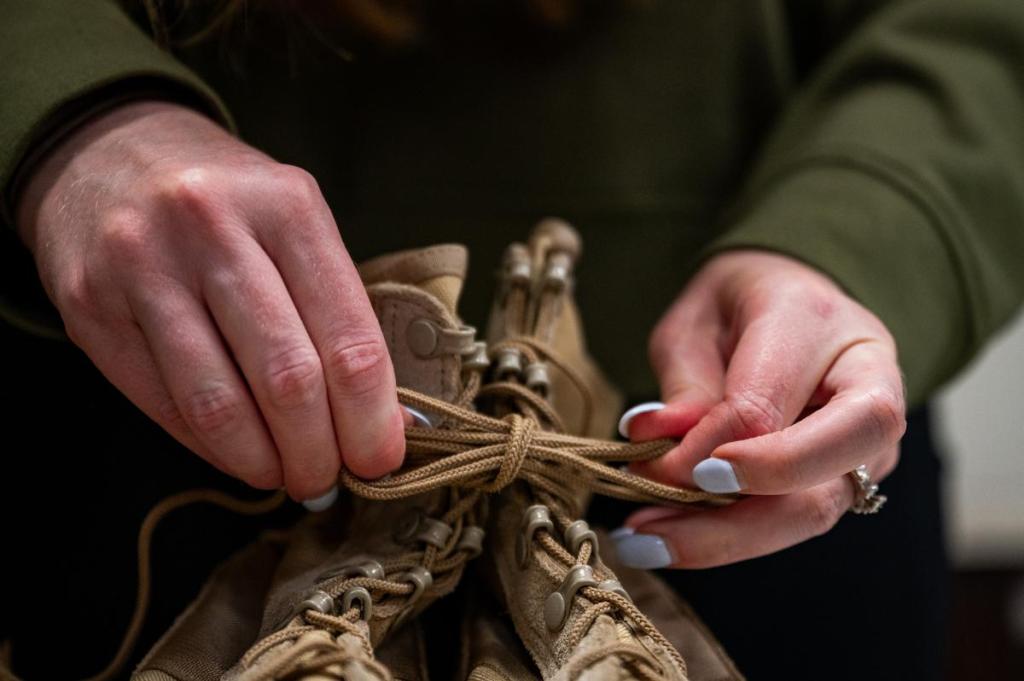
Eagle Ops holds events, called “rallying points,” typically after work hours and on weekends. These include firepit gatherings, golf nights, pickleball, coffee klatches, kayaking and fishing. Last year, Eagle Ops hosted 358 veteran events across 24 counties.
“We draw veterans into events they are interested in,” Shepherd said. “We want that connection so they feel comfortable and enjoy themselves. From there, we built on that relationship. It’s those connections where the magic happens.”
To keep in touch after these events, the nonprofit launched a Battlefield Buddy app four years ago. So far, 2,322 veterans have used the app in 7,021 check-ins. Of those check-ins, 947 – 14% – resulted in VA referrals and 349 led to an “elevated concern intervention,” which is a de-escalation strategy to prevent a mental health crisis.
“One thing people don’t know about Oklahoma is that we have a ton of veteran programs and services,” Shepherd said. “The issue we run into is veterans have a tendency not to use the programs. Veterans have to go out and pursue those. So we are working to get veterans off the couch and plugged into needed resources.”
Similarly, Founds recognized a gap missing for veterans in mental health. He had difficulty adjusting after coming home from combat and found holistic body movement and meditation practices the right fit. He earned a master’s degree in social work and became certified in trauma-informed yoga.
“I wanted something non-medical and this seemed to work for me. Before, I couldn’t find a balance,” Founds said.
Through his business Darkside Lightside Yoga, Founds is a member of the Humble Warrior Collective, a nonprofit providing underserved communities with trauma-informed movement and mindfulness techniques to help manage PTSD and build resilience.
“It’s a challenging sell sometimes to veterans, until they go to a class,” Founds said. “There is still a stigma on mental health. A lot of problems happen because of a lack of connections. Oklahoma has the resources and programs. We’ve just got to get veterans to them.”
Veterans mental health support services
Veterans experiencing struggles in mental health or are in a crisis can dial 988 and press 1 for immediate assistance. They can text 838255 or chat through the Veterans Crisis Line for a free, confidential 24/7 support line.
Locally, veterans can walk into the Ernest Childers VA Outpatient Clinic at 8921 S. Mingo Road. The Tulsa Vet Center is another VA counseling location at 6130 E. 81st St.
News decisions at the Tulsa Flyer are made independently of our board members and financial supporters. Read more about our editorial independence policy here.