


After spending a lifetime writing screenplays and historical fiction novels, Jon Boorstin never thought he would take on his own family as a subject. The filmmaker’s younger self wouldn’t quite believe it.
“I would have sworn on a stack of Bibles, I was never going to talk about this stuff,” Boorstin said from his home in Los Angeles.
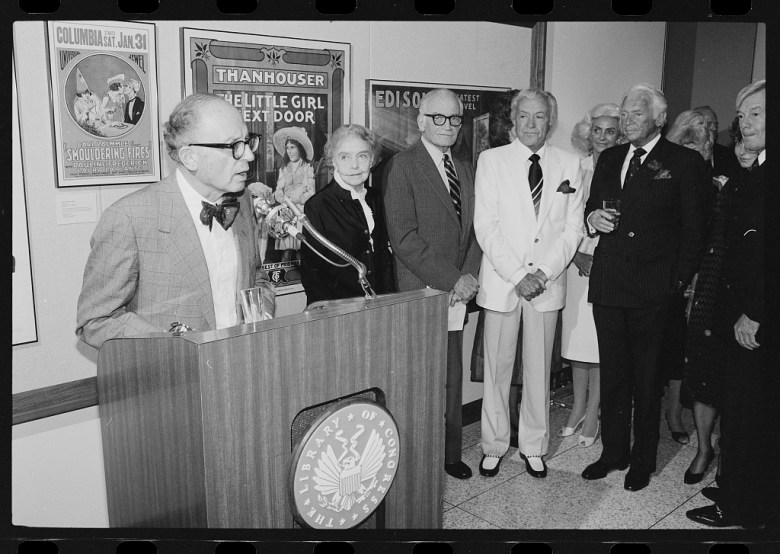
But, rifling through his papers during the COVID-19 pandemic, he discovered an eight-page reflection that his father wrote in his 70s — the same stage of life Jon is in now. It was the only time Daniel Boorstin, a Pulitzer Prize-winning historian who wrote 20 books and served as Librarian of Congress between 1975 and 1987, wrote about his memories growing up in Tulsa during the city’s boomtown heyday.
The pages were part of a proposal Daniel drew up with his friend and one-time University of Chicago colleague, the famed Black educator and historian John Hope Franklin. They hoped to pen a book, “Two From Tulsa: Tale of Two Cities,” about their experiences coming of age on different sides of their deeply segregated hometown.
The project never came to fruition. But his father’s words inspired Jon Boorstin to dig deeper into the historical events that shaped his family and his father’s endless drive to succeed, culminating in his appointment as the first Jewish person to lead the Library of Congress.
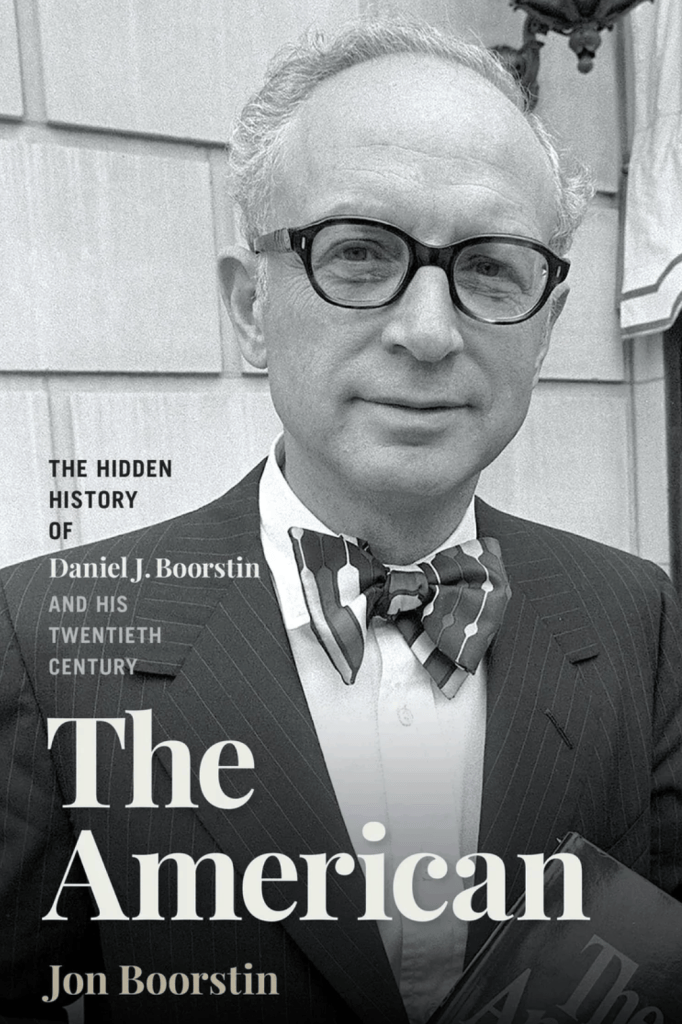
The result is “The American: The Hidden History of Daniel J. Boorstin and His Twentieth Century,” a nod to his father’s popular trilogy tracing the American experience through centuries of change. Tulsa is a central character in the book, drawing its author to speak at the Museum of Tulsa History and Jewish Federation of Tulsa this week.
“My father growing up in Tulsa, that’s what shaped his description of America, which became the description of America for 20 years to a lot of Americans, because he’s writing those books that were defining what we were,” Jon Boorstin said. “And it’s not a bad place to start. Tulsa is definitely ground zero for all of that.”
The Boorstins’ American story began in Atlanta, where Boorstin’s grandfather Samuel — the child of Russian-Jewish immigrants — became an attorney. A friend of Leo Frank, Samuel was a member of the legal team that defended the Jewish factory superintendent lynched in 1915 following a guilty verdict for murdering a teenage girl. Historians have concluded Frank was wrongfully accused, citing intense antisemitism during the time period.
Left with few documents recording that period, Boorstin spends chapters imagining how family members and their communities felt navigating a world shifting under their feet. The Boorstins soon decamped for Tulsa, which the author said “epitomized the ideal booster town.”
Hear Jon Boorstin speak about “The American”
Oct. 7: Boorstin will speak at the Museum of Tulsa History, 2445 S. Peoria Ave., beginning at 6 p.m. The event is free, and books will be available for purchase and signing. Find details and RSVP here.
Oct. 8: The Jewish Genealogical Society of Tulsa, Jewish Federation Tulsa and the Sherwin Miller Museum of Jewish Art are partnering for a free event with Boorstin at Jewish Federation of Tulsa, 2021 E. 71st St. The presentation will begin at 7 p.m. Find more information and RSVP here.
“It was something that my grandfather really believed they had fought for, and he liked the idea that you could come to Tulsa, and it didn’t matter whether you were Jewish or Catholic or what, because Tulsa came first,” he said.
That “Tulsa first” mentality made for strange bedfellows at times. In the wreckage of the 1921 Tulsa Race Massacre, Samuel worked with both a racist newspaper publisher who helped to ignite the attack on Greenwood and attorneys who represented victims of the massacre, including John Hope’s father B.C. Franklin.
Jon Boorstin’s goal was to reproduce the sense of what it felt like to live through that period and how family members came to the conclusions they did. That includes his father, who graduated from Central High School at age 15 and soon left Tulsa for Harvard and Yale. He rarely looked back — a trait his son attributes to a high-conflict household that shaped the adult and historian Daniel became.
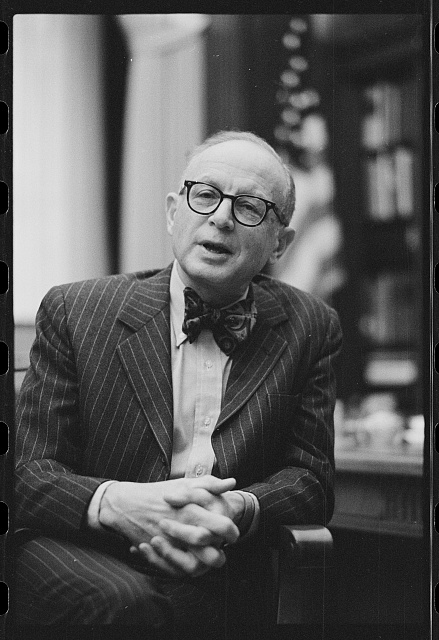
“When he was writing history, he didn’t want to write about conflict,” Boorstin said. “It hurt him to do that. He wanted to do it the other way. He wanted to look for ways in which people worked together. He focused on community. He thought the secret was what he didn’t have, and what John Hope Franklin had, which was a sense of community.”
Daniel’s life was not without controversy. He was briefly a member of the Communist Party and later offered testimony outing former friends to the House of Un-American Activities Committee led by Sen. Joseph McCarthy. His conservative political views, and what some critics saw as “myth-making” in his books written around the 200th anniversary of America’s founding, were the subject of scrutiny when President Gerald Ford tapped him to lead the Library of Congress.
“The American” is more interested in his life behind the scenes, including his working partnership with wife Ruth and an enduring relationship with Franklin. His father was rarely at ease and had few true friends, Jon Boorstin said. Franklin was one of them, spending evenings at the Boorstin home in Chicago laughing, talking and exchanging ideas.
The two men were very different. While Franklin idolized his father and maintained deep ties to his Black Tulsa community throughout his life, the Boorstins made only one brief family trip to the city when the author was 10.
But Daniel and John Hope shared a real passion for the American idea, one they saw at work in Tulsa, Jon Boorstin said.
“The only way to make America a cooperative, wonderful place is to believe it is,” he said. “If you don’t believe it is, it’ll never be. It’s a self-fulfilling prophecy. You have to, because believing that makes you act that way. And that’s what John Hope Franklin embodied — and my father, in a slightly more curmudgeonly way.”
News decisions at the Tulsa Flyer are made independently of our board members and financial supporters. Read more about our editorial independence policy here.