


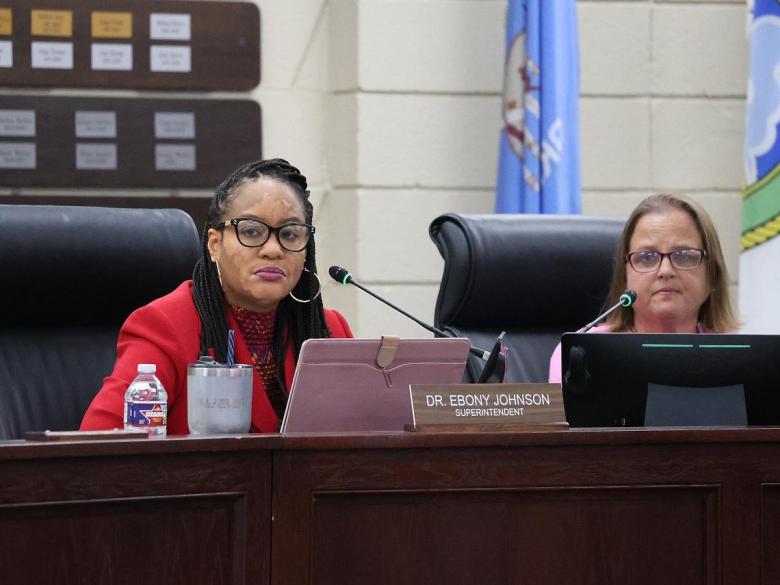
Tulsa Public Schools said it aloud Tuesday night: School closures and service reductions are real options in the face of a multimillion-dollar budget shortfall.
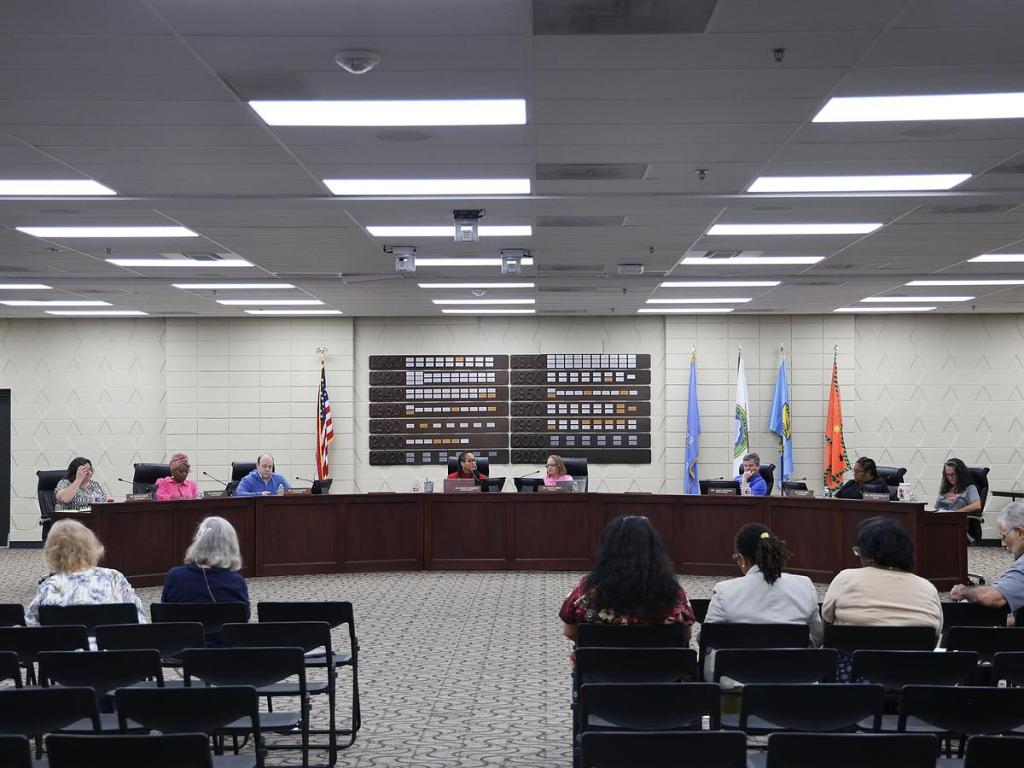
District leadership has until Oct. 19 to present a plan that would reduce its financial deficit by at least $12 million. At Tuesday’s board meeting, TPS administrators named what exactly is on the table.
The district is considering the following options for cost reductions, though cost estimates were not provided:
- closing and consolidating small schools;
- increasing class sizes from current ratios;
- freezing salaries for all employees;
- reducing access to student-facing programs like counseling, tutoring, field trips, athletics and fine arts; and
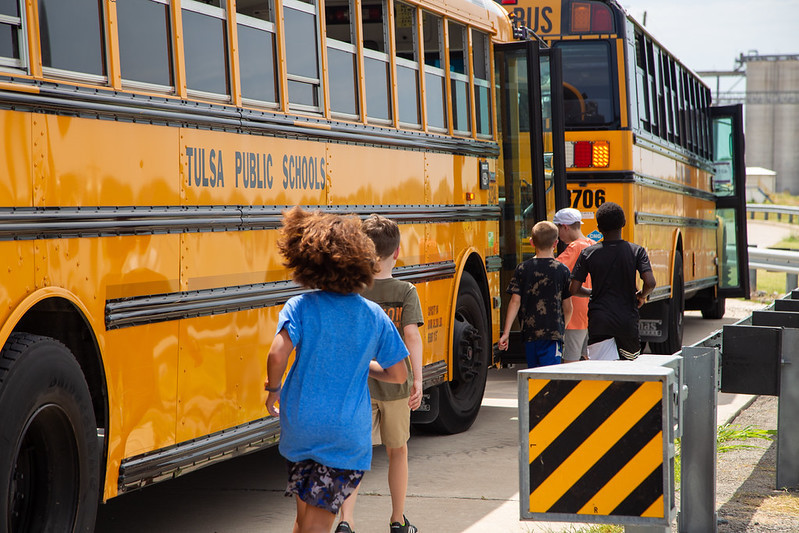
- discontinuing transportation to magnet programs across the district or increasing the elementary walking radius from 1.5 miles.
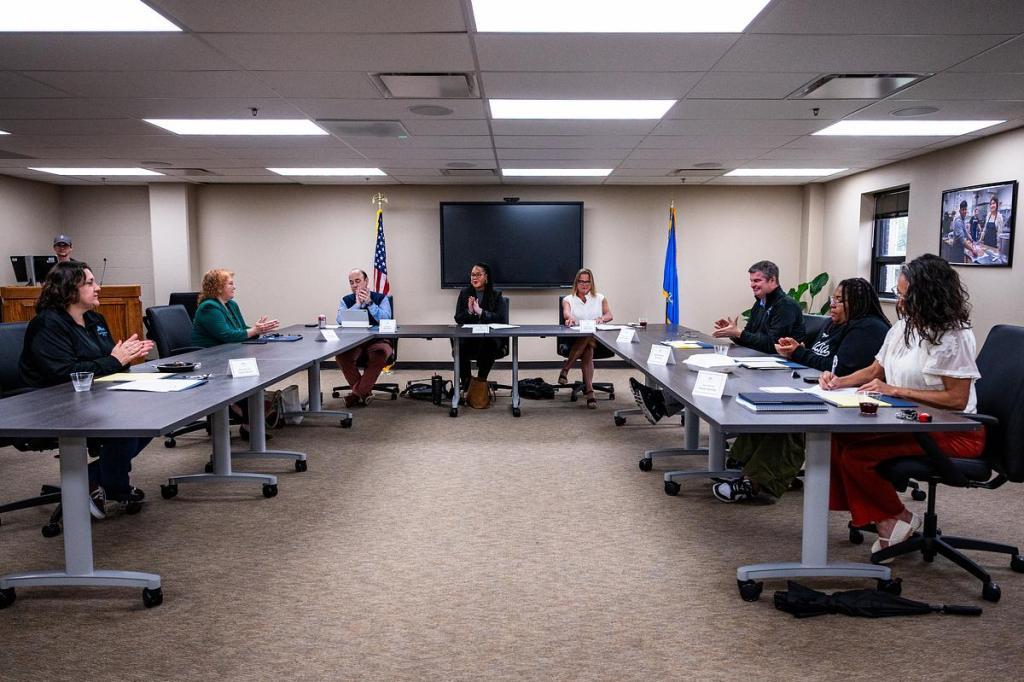
Administrators stressed nothing is set in stone. Community meetings about the district’s future start Wednesday and continue through Oct. 14.
“We are simply not trying to balance a budget,” Superintendent Ebony Johnson said at Tuesday’s meeting. “We are trying to build a school system where every student has access to opportunities, instruction, people and supports they need to be successful.”
Learn more about Tulsa Public Schools’ future and priorities
Planning information sessions:
- 5:30 to 6:30 p.m. Sept. 9: Wilson Teaching and Learning (2710 E. 11th St.)
- 5:30 to 6:30 p.m. Sept. 18: Education Service Center (3027 S. New Haven Ave.)
Community information sessions:
- 5:30 to 6:30 p.m. Sept. 29: Martin Regional Library (2601 S. Garnett Road)
- 5:30 to 6:30 p.m. Oct. 6: Bronson Brookside Library (4607 S. Madison Place)
- 5:30 to 6:30 p.m. Oct. 8: Parent Resource Center (525 E. 46th St. N.)
- 5:30 to 6:30 p.m. Oct. 12: Central Library Downtown (400 Civic Center)
- 5:30 to 6:30 p.m. Oct. 14: Zarrow Regional Library (2224 W. 51st St.)
The district has already eliminated $5.4 million in contracts with vendor services and nearly 100 positions in its central offices, but TPS administrators say cuts will need to continue.
Closing and consolidating schools is “definitely the most emotional of all the choices, but it also represents the opportunity for the largest amount of savings,” said Deputy Superintendent Kathy Dodd.
The Flyer previously reported student populations across TPS filled an average 65% of the “total capacity” at their schools last year. That means students filled buildings at a range of 37% to 98%.
The district has to be honest, Johnson said, about what data and experiences are saying.
“Our current model is not yet delivering the experience that every student deserves,” she said. “We have too much variability from school to school, some students have access to exceptional programs, opportunities and supports while others do not have the same level of access.”
Small schools averaged around 370 enrolled students, according to Chief Strategy Officer Sean Berkstresser. At those sites, students have fewer teachers, special allocations and Title I dollars — but the average cost per pupil is about $2,000 higher than bigger, more resourced sites.
Smaller elementary schools also have lower student attendance, lower academic growth and less access to art and music, Berkstresser said. Suspensions are 2.25 times higher at these schools than larger elementary sites and 7% more students experience a teacher less than two years into the profession.
More students aren’t expected to attend any time soon, he added, reflecting a national decline in public school enrollment affecting districts across the country.
“Planning for the future, we are currently operating at far more capacity than our enrollment projections can sustainably support as we look ahead,” said Berkstresser.

TPS will also continue reevaluating its staffing levels. Around 90% of the district’s general fund spending goes toward salaries and benefits for its employees.
When compared to other Oklahoma districts, TPS has a substantially larger workforce relative to the number of students it serves. While Broken Arrow, Moore, Oklahoma City, Owasso, Putnam City and Union all have fewer than 136 full-time employees for every 1,000 students, TPS has nearly 147.
“We’re gonna have to continue to assess these staffing levels and make sure that we are bringing spending more in line with our revenues,” said Berkstresser.
Simultaneously, TPS announced plans for investments in teacher compensation and elementary school classes like physical education and music.
It’s also nearing the delivery of some 2026 bond dollars, pledging to use the $609 million more efficiently. A citizen bond oversight committee has not yet been appointed.
At the next board meeting Sept. 21, the district’s chief financial officer will present the end of year financial update and enrollment projections.
“As we move toward Oct. 19, our guiding principal will remain,” said Johnson. “Students first, opportunity first, outcomes first.”
News decisions at the Tulsa Flyer are made independently of our board members and financial supporters. Read more about our editorial independence policy here.
