


Metro areas and schools have been the largest winners in the first two years of Oklahoma’s effort to distribute opioid settlement funds.
About 30% of the $30 million awarded has gone to Tulsa and Oklahoma City metro areas. That jumps to 38% when cities with more than 25,000 residents, such as Stillwater, Lawton, Bartlesville and Muskogee, are included.
So far, 129 grants ranging from $19,688 to $1 million have been awarded. Nearly $1 billion will flow through the legislative fund holding settlement money from opioid manufacturers and distributors. Funding will last about 15 more years.
School districts account for about 37% of grantees and have obtained 23% of funds allocated by the Attorney General’s Opioid Abatement Board.
Rural areas are at a disadvantage because they often don’t have experienced grant writers to create sophisticated proposals or the community partnerships that the application seeks. Even the data rural areas need to show how deep the opioid crisis is in an area may not exist.
“We found, especially in our first round of funding, the reach was not as far as we had hoped that it could have been because of the lack of capacity and lack of resources,” said Jill Nichols, opioid response and grants coordinator for Attorney General Gentner Drummond’s office.
The funds come from the state’s settlement with opioid manufacturers, distributors and retailers. Scores of municipalities and cities across Oklahoma joined lawsuits against those companies and may have secured separate payouts.
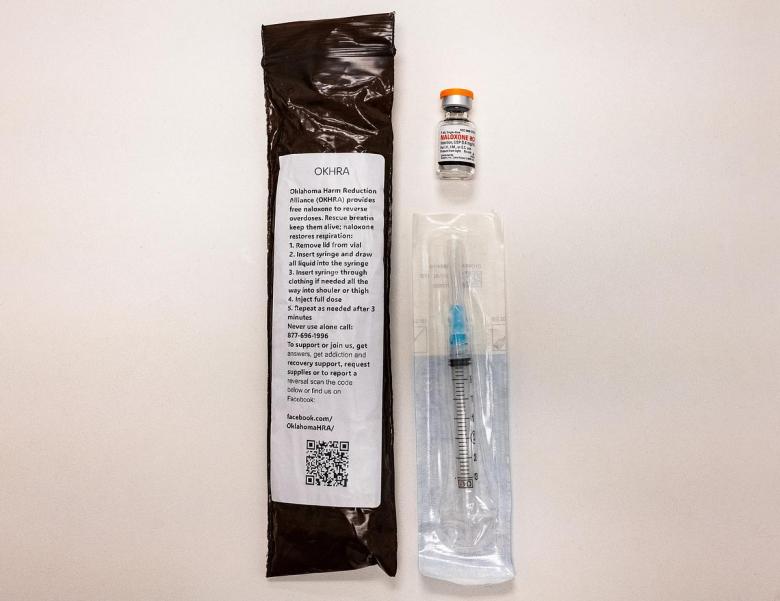
The top-funded projects on the state level are school prevention programs, distribution and training on the overdose-recovery drug naloxone (most commonly known as Narcan) and supported housing for people harmed by opioids.

Schools tend to do well in the opioid grant process because they have staff regularly interacting with state and federal grants and fit into the state’s priority of prevention.
The state contracted with grant writers to work with rural areas on completing this year’s application, which closed April 1. About 10 new submissions were made with the assistance.
“There are no guarantees that those will be awarded but just the help received in getting started was huge,” Nichols said.
Plans are underway to expand the grant writing support to four staff located in four quadrants of the state.
“They will be there to support them throughout the process, everything from helping write the grant, helping understand their needs, helping coordinate task forces and connecting them with partners in their communities who can help deliver their programs,” Nichols said.
“They will help get them started implementing the program, reporting and close out. It’s going to be really beneficial. We’re hanging our hat on this to make the reach.”
Oklahoma got a late start in opioid reduction programs compared to other states due to Attorney General Mike Hunter’s mid-term resignation in 2021. It wasn’t until Drummond was elected in 2022 that the process really got rolling, with Drummond appointing a special counsel to develop what became the state’s Opioid Abatement Board.
Projects must fit within eight categories such as naloxone distribution, supported housing and school-based prevention. Proposals are scored on a rubric that considers factors like evidence-based success, community partnerships and need for funds.
Grants are awarded to political subdivisions with tiers set to maximum limits based on population.
Other changes being considered by board members include shifting the limits or allowing councils of governments to distribute grants, said Terry Simonson, who served as special counsel in designing the state program.
“The tiers are meant to be equitable. The problem we are running into is that it’s not based on need. The need in a rural area may require more investment than the maximum allowed,” Simonson said.
Tulsa City Councilor and former state Rep. Carol Bush serves on the Opioid Abatement Board and supports changes to capture more rural areas.
“Let’s keep in mind that if you are a community of 900 and save two lives, that is a huge win,” Bush said. “No one size fits all, and maybe we can look to be more flexible in our matrix so it’s more personal to a community.”
News decisions at the Tulsa Flyer are made independently of our board members and financial supporters. Read more about our editorial independence policy here.