Oklahoma Attorney General Gentner Drummond wants the Department of Justice to drop its inquiry into Broken Arrow’s zoning practices for religious institutions, calling it “federal overreach of the first order.”
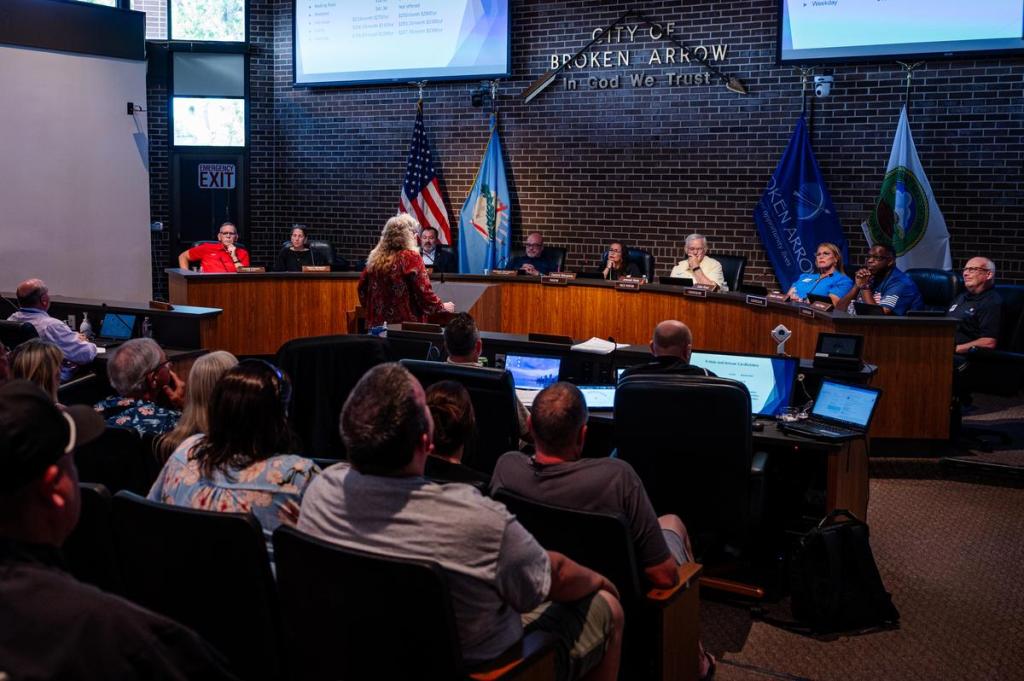
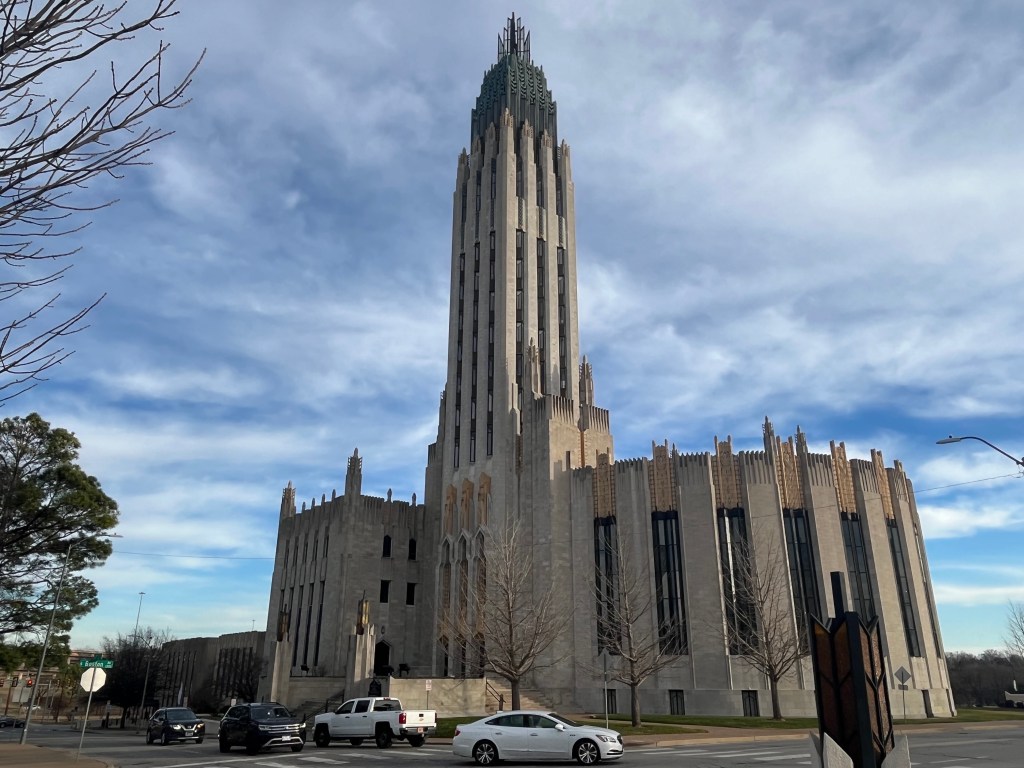
In a Thursday letter to President Donald Trump and U.S. Attorney General Todd Blanche, Drummond asked the administration to immediately close its investigation into how the city handled the Islamic Society of Tulsa’s proposal to build a mosque and commercial complex. Following a social media frenzy and a January meeting that attracted more than 1,000 people, councilors rejected the request 4-1.
“The people of Broken Arrow elect a city council to make decisions about land use, traffic, and infrastructure,” Drummond wrote. “Those decisions are reviewable in a courtroom, under rules of procedure and proof, not by career staff in Washington who answer to no voter and who, so far as the Division’s letter reveals, launched this investigation without review or authorization by the Department’s Senate-confirmed leadership.”
He added: “This is precisely the deep-state reflex your Administration has pledged to root out.”
Federal investigators are examining whether city zoning practices meet the requirements of the Religious Land Use and Institutionalized Persons Act of 2000.
That law prohibits land use regulations that impose a substantial burden on religious exercise; treat religious institutions differently than nonreligious institutions; discriminate against religious entities on the basis of religion; or totally exclude religious institutions within a jurisdiction.
Broken Arrow officials announced the federal inquiry Tuesday after being notified of the investigation July 17. Drummond’s letter to the feds came just hours after the Flyer published its own investigation into how councilors responded to hundreds of communications regarding the mosque. The Flyer found at least two elected officials agreed with anti-Islamic rhetoric in their inboxes.
Drummond, who faces Trump-endorsed Mike Mazzei in the Aug. 25 Republican primary runoff for governor, asked the DOJ to withdraw its inquiry pending review by the federal agency’s politically-appointed leadership. The demands for five years of records are “indefensible,” Drummond wrote, and he believes the investigation goes beyond the powers Congress gives to the agency.
Syed Newaz, chairman of the Islamic Society of Tulsa, told the Flyer his organization is disappointed in Drummond’s position on the investigation.
“RLUIPA is a federal law, and it is the federal government’s job to enforce it when they have a reasonable suspicion that a local government might have ignored it,” Newaz said. “We welcome the DOJ’s investigation and urge AG Drummond to let the investigation proceed and let the results of the investigation speak for themselves.”
The DOJ regularly reviews complaints submitted by the public regarding potential violations of the Religious Land Use and Institutionalized Persons Act. Under the law, the DOJ can open investigations, bring lawsuits to enforce the statute, file briefings in private lawsuits and seek court orders to correct violations. The department cannot seek monetary relief.
This isn’t the first time the DOJ has intervened in an Oklahoma zoning dispute over religious land use. In July 2017, the U.S. Attorney’s Office for the Northern District of Oklahoma, in partnership with the Department of Justice, opened an investigation into Pryor Creek’s zoning laws and whether the city discriminated against the Cornerstone Truth of God Church’s application for a special use permit.
The Pryor Creek inquiry was closed in April 2019 after the city council approved changes to its zoning code that placed secular and religious areas of assembly on equal footing.
More recently, the DOJ announced an investigation into how an Alabama city denied a Christian organization’s application to operate an addiction recovery center. That investigation, opened last September, remains ongoing.
Whether Broken Arrow City Council’s decision complies with federal law is a question for the courts and should be brought by a party with standing in the case, Drummond argued. The Islamic Society of Tulsa could also file a lawsuit under the 2000 law. Leaders told the Flyer in late June that they have not yet made a decision on that front.
The DOJ’s press office did not immediately respond to a request for comment. A Broken Arrow spokesperson referred the Flyer back to its Tuesday statement on the investigation, which does not address Drummond’s later request to close it.
In his letter, Drummond requested the DOJ withdraw records requests “targeting the speech and associational activity of private citizens” and coordinate with his office prior to taking further action against any municipality.
“The State of Oklahoma stands behind the City of Broken Arrow and its right of self-government. My office will support the City by every lawful means,” Drummond wrote.




This story was updated at 5:34 p.m. July 30 to reflect the City of Broken Arrow’s response.
News decisions at the Tulsa Flyer are made independently of our board members and financial supporters. Read more about our editorial independence policy here.