

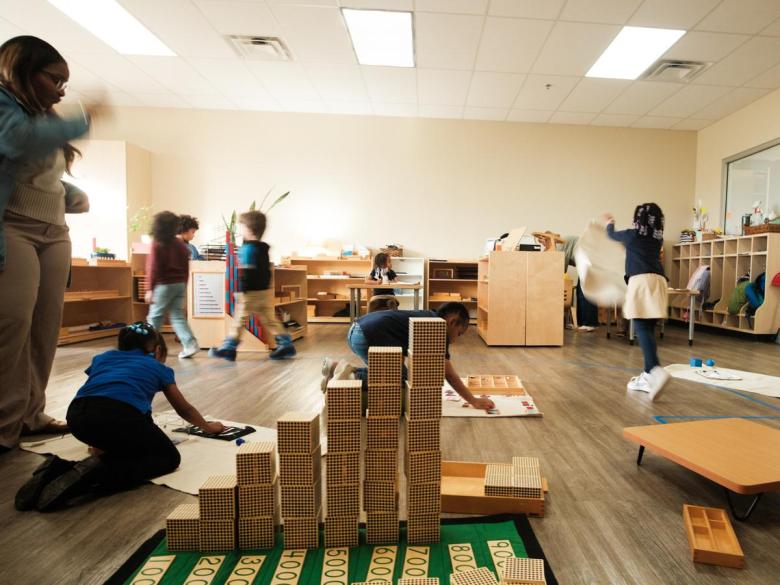
Tulsa Public Schools wants to suspend zero preschoolers next year and drive down climbing rates of students sent home from school.
The district saw a slight increase in the overall number of suspensions this past year, especially at the elementary level. Preschool to fifth grade students are primarily being sent home for disruptive classroom behavior and physical conflicts with peers, TPS reports.
“Students acting out and being suspended from school is often an indicator that they have unmet emotional health and wellness needs,” states a July report to the board.
In total, TPS issued 2,664 suspensions to elementary students last year. For preschoolers, 225 suspensions were issued to just 98 students — the highest number reported by TPS in the past four academic years.
The Flyer previously reported on preschool suspension rates and their impact in the Tulsa area. There is no mandate preventing preschool suspensions in Oklahoma, but the state recommends such young students are excluded from out-of-school suspension and expulsion disciplinary actions. State guidelines encourage systemic solutions, like teacher training and early intervention.
The district is pledging a “comprehensive revision” of its behavior response plan for pre-K students that is developmentally appropriate and leads to zero students being temporarily removed from school, according to board documents.


Last school year, that plan allowed the district’s youngest students to be suspended for infractions like “assault” or “unacceptable minor physical contact,” language the district previously considered changing.
Across all grade levels, suspension rates continue to be disproportionately higher for Black students, a disparity the district publicly tracks. TPS suspended 10.9% of all students last year, but 19% of its Black students. In elementary schools, Black students were suspended at more than twice the rate of non-Black students.
To reduce those disparities, TPS is planning to expand de-escalation training for teachers and administrators and coach school leaders on consistent application of behavior interventions, according to Stephanie Andrews, executive director of Student and Family Support Services.
“When expectations, classroom management practices, behavior responses, and administrative decision-making vary from classroom to classroom or school to school, disparities are more likely to occur,” TPS officials wrote in response to board questions about Black student suspensions.
This district also plans to launch a districtwide “No Fight Zone” campaign to reduce physical altercations and a mental health first aid training for educators.
News decisions at the Tulsa Flyer are made independently of our board members and financial supporters. Read more about our editorial independence policy here.
