


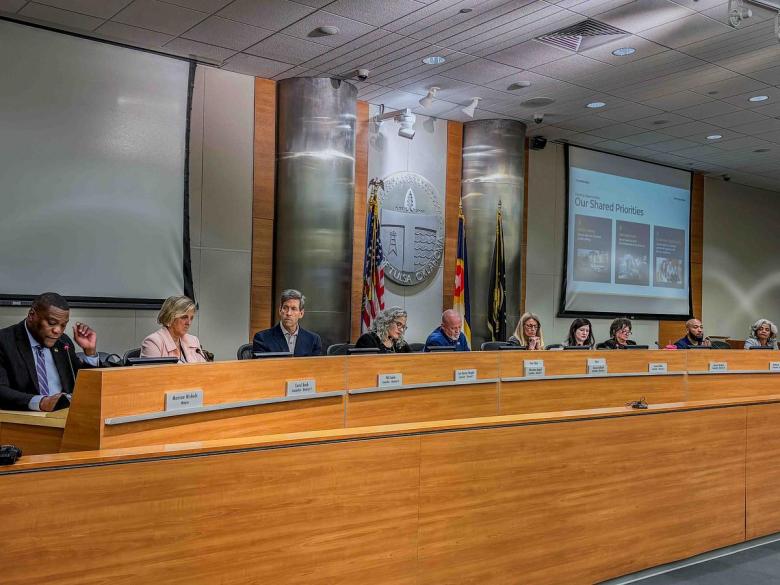
After delaying the vote by a week, Tulsa City Council gave unanimous approval Wednesday to a $1.227 billion budget for the next fiscal year.
It marks a 10% increase from last year’s $1.117 billion budget. The fiscal year begins July 1.
The budget includes a 6% increase — or $445.1 million — in the general allocation fund used for daily city operations and core services.
Approval comes after ongoing discussions between Mayor Monroe Nichols and city councilors after he presented a budget proposal in April. The process involved four public town halls, 15 televised public committee hearings and input from the city’s finance department.
“We made a commitment to do a deep dive on this budget,” council vice chair Christian Bengel said before the vote Wednesday. “To my colleagues who were very deliberate about going through this budget and making sure citizens can be assured we are spending their money correctly, thank you for hard work.”
Council chair Karen Gilbert released a statement calling the budget a reflection of collaborative work in the spirit of transparency and public engagement.
“Together, we focused on the priorities that matter most to Tulsans, including strengthening public safety, investing in neighborhoods, addressing homelessness with both immediate and long-term strategies, and ensuring the city remains on stable financial footing,” Gilbert stated.
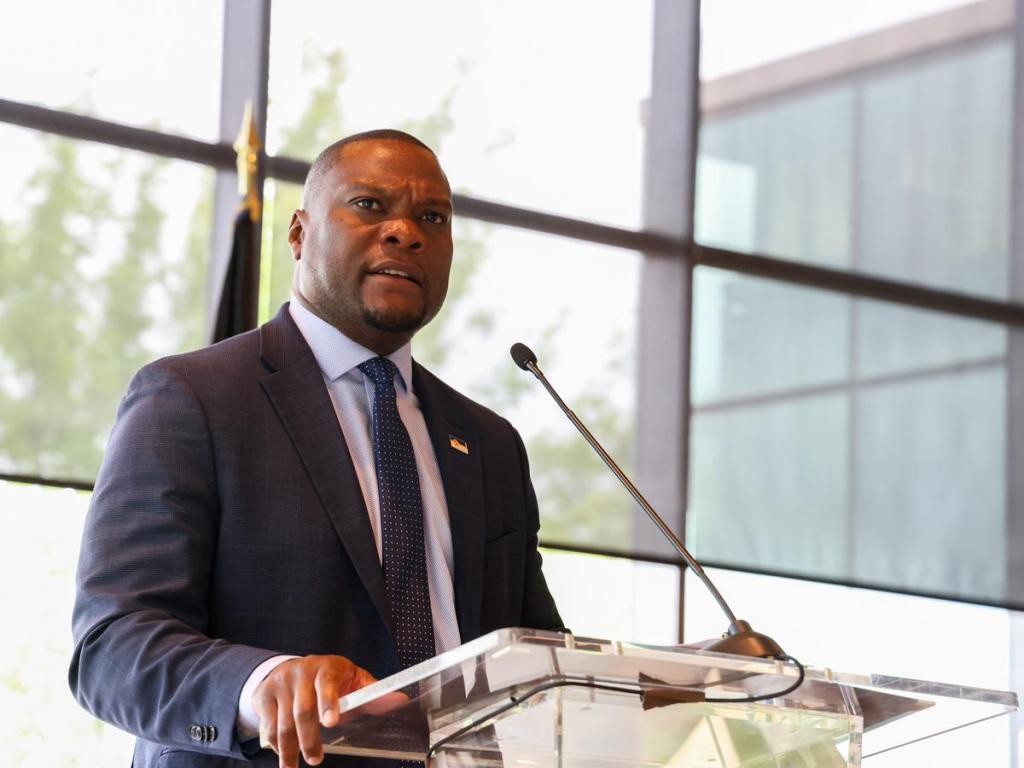
The measure now moves to Nichols for approval. The mayor released a statement stating the budget will allow the city to clear a backlog in code enforcement calls, install nearly 1,200 streetlights, improve Tulsa Animal Services, add more police and firefighters and expand emergency management.
“Tonight’s budget adoption represents a significant investment in the priorities Tulsans told us matter most: safer neighborhoods, better streets, stronger public services, and continued progress on housing, homelessness, and youth opportunities,” Nichols said in a statement.
What changed from the original?
At the center of the adjustments from the original proposal were infrastructure investment, public safety and street homelessness programs.
The Vision Tulsa surplus of about $115 million includes expenditures of one-time cash funds of $103 million and $12 million in annual funds. About $35.4 million of the surplus was worked into the 2027 budget.
Projects funded from the surplus include:
- $25 million toward the new public safety center under construction near the Broken Arrow Expressway and 129th East Avenue
- $23.5 million for homelessness programs
- $18.87 million for the municipal courts, jail and Arena District
- $5 million for the Gilcrease Museum
- $1.4 million for Zink Lake
The public safety center is behind schedule and over budget. The city initially invested $45.5 million to buy and renovate the former State Farm headquarters as the public safety hub. City officials say rising construction costs required more funds to finish the project.
The public safety investments include adding two Tulsa Police academies for an additional 55 officers, a Tulsa Fire academy to add 22 firefighters and $7 million for fire equipment.
Investments in code, emergency management and housing
To improve safety along the RiverParks trail system, the budget includes $60,000 for additional police overtime to enforce laws on excessive speeds.
Neighborhood investments include more streetlights with an emphasis in the Sequoyah, Suburban Hills, Charles Page and Riverwood neighborhoods. $19.5 million was included to support affordable housing initiatives.
Code enforcement currently has a backlog of 1,600 cases that could increase to 3,500 during the peak growing season. The budget includes hiring four new positions to reduce the backlog and shrink the response time from “three months to 30 days or less.”
Funding for the Mayor’s Office of Children, Youth and Families will remain at its current level. In the last budget, the city provided $390,000 that went to the nonprofit ImpactTulsa to implement the mayor’s initiative.
Council approved $425,000 for the creation of the city’s first Office of Emergency Management, which had previously been a shared responsibility with the Tulsa County government. Money for additional staff next year will “be addressed once new leadership is established and can present a full operational assessment and funding recommendation,” according to a council statement.
Eliminating homelessness remains a key priority. In addition to the $23.5 million from the Vision surplus, council approved funding from the general fund toward the effort. That includes $6 million for the Safe Move Tulsa program and $500,000 for the low-barrier shelter. Tulsa’s new low-barrier shelter is set to open in December.
The budget reflects the current change in Tulsa’s utility rates with residents seeing an increase of about $5.82 per month. That amount helps the city keep up with infrastructure needs and covers increases of 7% for water, 4.7% in sewer, 7% in stormwater drainage and 4% in refuse and recycling.
Big increase for animal services
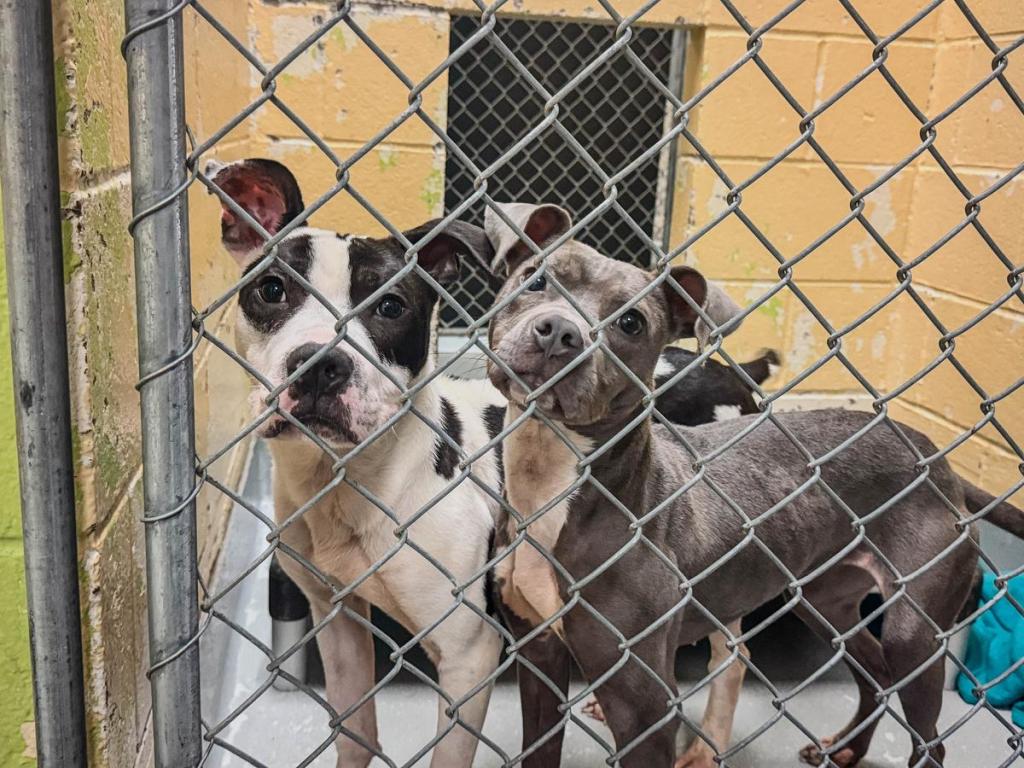
Tulsa Animal Services will see a 42% budget increase — from about $4.2 million to nearly $6 million — to hire an additional control officer, a veterinarian and six support staff to reduce response times and support the spay/neuter program.
City officials will put $7.5 million in Improve Our Tulsa funds to cut into the Tulsa Zoo’s shortfall for its African Wilds exhibit. That funding is contingent upon the institution raising $2.5 million from other sources. The project faced a $15 million funding gap from increasing construction costs and maintenance and launched a Building Beyond campaign to help reach its goal.
As part of the Route 66 centennial, the council approved a maintenance fund of $100,000 to support assets dedicated to the Mother Road. The city has invested at least $30 million over the past two decades on projects such as the Cyrus Avery Plaza just west of downtown, the Historic Village Train Depot at 3770 Southwest Blvd. and a neon sign program.
News decisions at the Tulsa Flyer are made independently of our board members and financial supporters. Read more about our editorial independence policy here.