


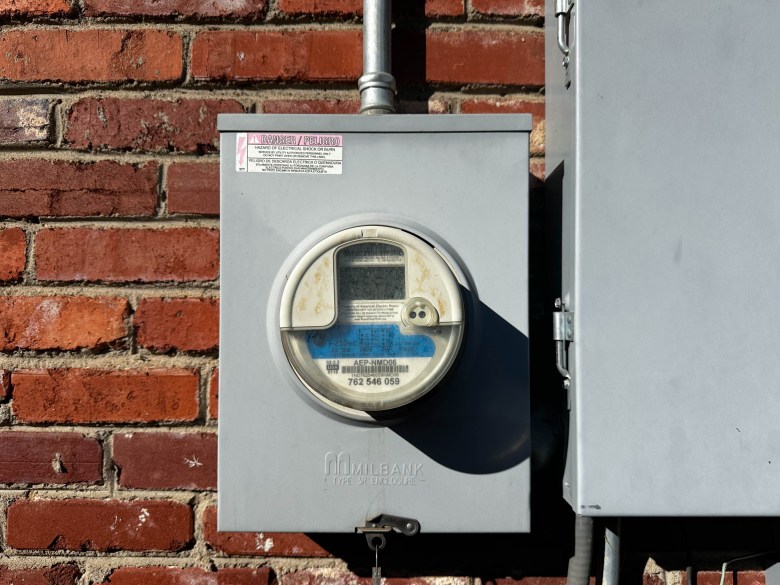
The largest aluminum production plant in the country could be landing 30 minutes east of Tulsa in Inola. The Public Service Company of Oklahoma says its customers won’t have to foot the bill, but what happens to rates in the future is a little more complicated.
“Like with any other large load project or anything like that, they pay their way,” said PSO spokesman Matt Rahn. “They pay for the infrastructure and the things they need to support their project.”
Rahn says PSO is still working out how to serve the plant’s electric or infrastructure needs, but there’s not an exact timeline on when that will be finalized. According to the Aluminum Association, constructing a new smelter requires the same amount of energy needed to power a city like Detroit or Nashville for a year, StateImpact Oklahoma reported.
This project is separate from PSO’s ongoing rate case filed in January, which would add around $25 per month to an average residential customer’s bill.
Rate review cases, like the one filed earlier this year, look back on the costs PSO already spent. That includes investments in place to provide “safe, reliable electric service to customers.”
This is when it gets a little more complicated. According to PSO, all of their investments, costs and revenues associated with serving the smelter will ultimately be subject to review by the Oklahoma Corporation Commission (OCC) in a future rate proceeding.
“It is therefore speculative to assume specific future rate impacts from the project at this time,” Rahn said in a follow-up email to the Flyer. “PSO’s position is that the smelter will be required to pay the costs associated with the service it receives.”
So, the large load customers foot the infrastructure bill, but any PSO investment, cost or revenue from that project will be reviewed in a future rate review case.
This could, in turn, help lower rates for customers if the aluminum plant brought in enough revenue to recover “system fixed costs,” Rahn says.
The Corporation Commission decides rate cases. According to Rahn, the commission is reviewing terms and conditions for large customers. There’s a proposed “system contribution charge,” which would require them to begin paying toward infrastructure costs early in the process. Rahn says that would help reduce cost impacts on residential and small business customers.
Attorney General Gentner Drummond is trying to block the aluminum plant from being built because of ownership concerns. Meanwhile, Gov. Kevin Stitt is still in full support after President Trump applauded the investment in Oklahoma.
The smelter is expected to double the country’s primary aluminum production and was set to begin construction by the end of this year.
You can find the latest update to the proposed aluminum plant here, and check out our PSO bill breakdown if you want to better understand what you’re being charged for.

Editor’s note: This story has been updated to include additional context from PSO about rate reviews shared with the Flyer after this story was published.
News decisions at the Tulsa Flyer are made independently of our board members and financial supporters. Read more about our editorial independence policy here.