


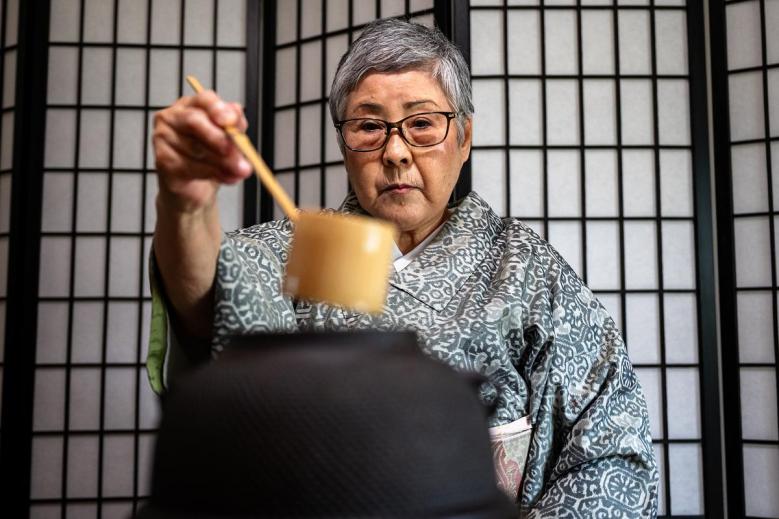
You can feel the tension leaving the room when Yumie Farringer adds cold water to her boiling hot kama, a kind of Japanese kettle. For her, the act is cathartic.
“Did you hear that?” she asks. “That sound, it make me more peaceful. … (I) keep doing this one for that one, that sound. (It) make me feel, coming down, I don’t know how to explain.”
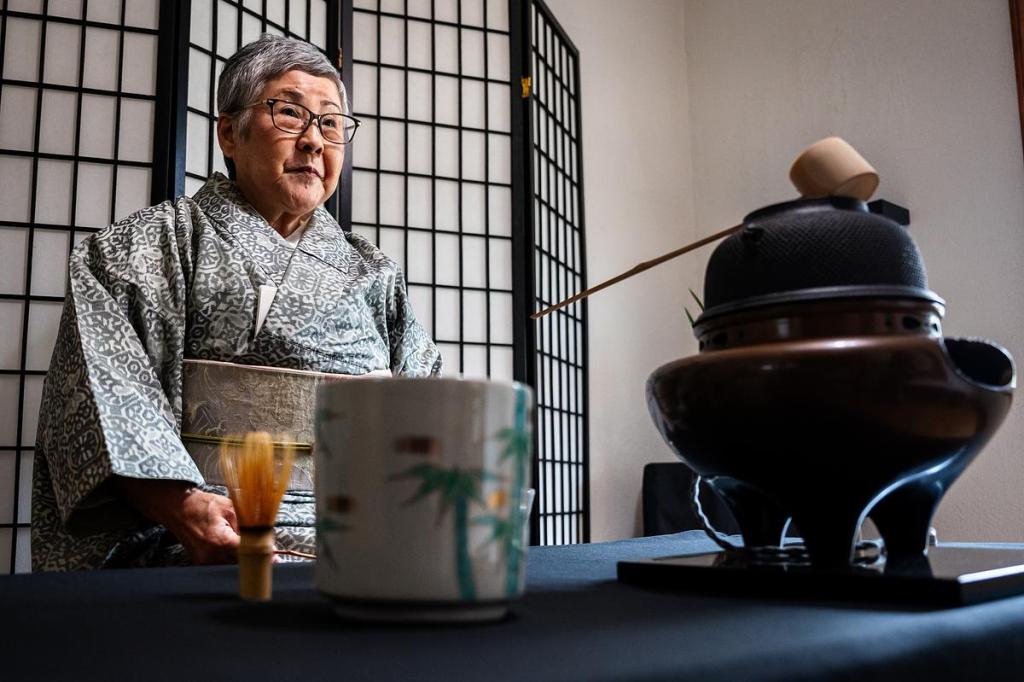
Farringer wears her mother’s kimono obi belt surrounded by her father’s Japanese poetry as she performs the traditional Japanese matcha tea ceremony. She first learned the art in high school, and she’s preparing for an upcoming performance at Martin Regional Library.
The Tulsa City-County Library is celebrating Asian American and Pacific Islander Heritage Month with the 2026 Asian American Festival. Farringer will perform the tea ceremony from 2 to 3 p.m. Saturday, May 16, with other events — including K-Pop Demon Hunters Fest and a variety of book clubs — set for the rest of the month. She’s performed the ceremony countless times, but she keeps going to continue introducing Japanese culture to Tulsa’s community.
Expressing ‘Ichigo Ichie’ through tradition
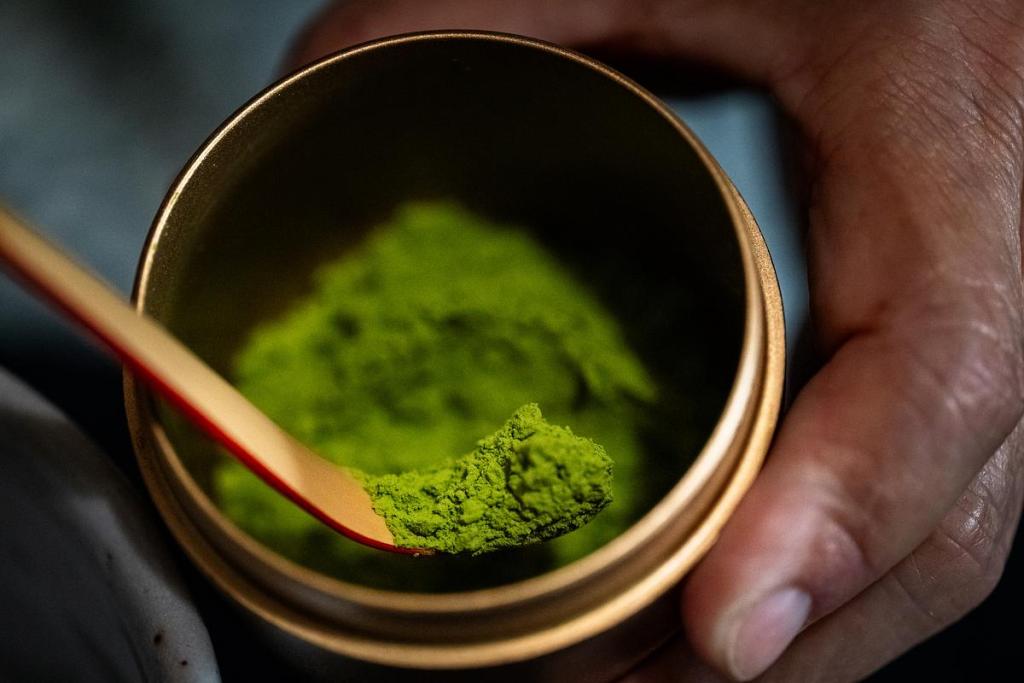
Meditation, respect and tranquility are essential to the tea ceremony. It’s a way to express “Ichigo Ichie,” she says, which translates to “one encounter, one lifetime.” It’s a Japanese proverb rooted in the tea ceremony to recognize each fleeting moment and movement.
“This is never (going to) repeat again,” Farringer said. “So it’s every moment — it’s very special. So I try to focus.”
The tea ceremony isn’t an everyday occasion. It’s meant for special guests. As for the matcha tea itself, it actually originates from China and was primarily used as medicine. Japanese monks later brought it back to their home country.
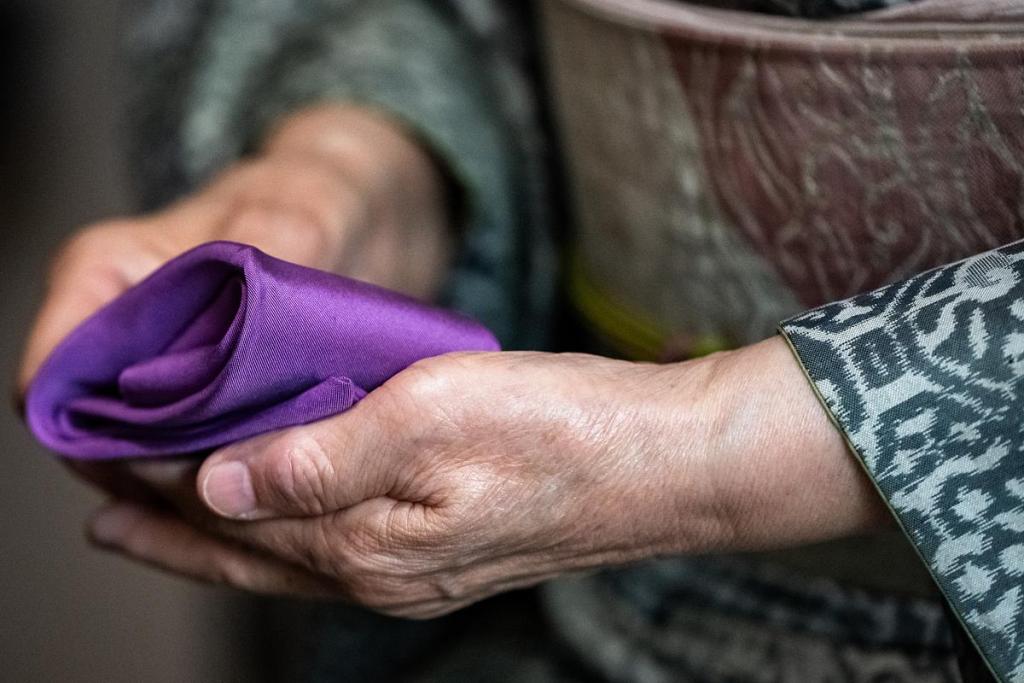
She’s careful and concentrated with each detail and ritual: cleansing the ceramic bowls, pouring water in her gifted kama, using the bamboo hishaku (water ladle) in a bow and arrow motion for shooting and release. You eat a sweet cake before drinking the bitter matcha so the flavors work in harmony, she added.
Japanese Friendship Club seeks more members
Farringer has been building the foundation of Tulsa’s Japanese community for nearly 50 years, when she moved here from Japan after meeting her husband while he was in military service. She says the community started out small, with just a few interactions here and there at the grocery store. Slowly, it’s grown into a club.
“Just ask them if they’re Japanese or Chinese, and then that’s why I started,” Farringer said.
Kumiko Huff, who was 24 when she moved to America in 1999, is now president of Tulsa Japanese Friendship Club. She met Farringer, a past club president, around seven years ago and seeks her guidance about what events and activities to do.
The group is mostly older in age, which is why Huff didn’t join earlier. They usually meet once a month at a library branch, often Martin Regional, for a potluck lunch of homemade Japanese and Asian food. The attendance has dwindled in the last few years, down to 10-15 people from more than 30, she says.
“I feel like I may not be reaching out to the people well enough, or maybe that all the members got older so they can’t come out every time like they used to,” Huff said.
Looking ahead, Huff wants to attract more young people and debates whether she should launch an Instagram page. She added there may not be many events throughout the summertime, since that’s when most community members visit Japan.
Farringer and Huff say their Japanese community has been there to provide traditional clothing and items for the tea ceremonies, along with rides around town. Right now, membership in the club is only open to Japanese people — but Huff wonders if it should welcome others.
“I want people to know about Japan, to love Japan, and then eventually come visit us,” Huff said.
News decisions at the Tulsa Flyer are made independently of our board members and financial supporters. Read more about our editorial independence policy here.