


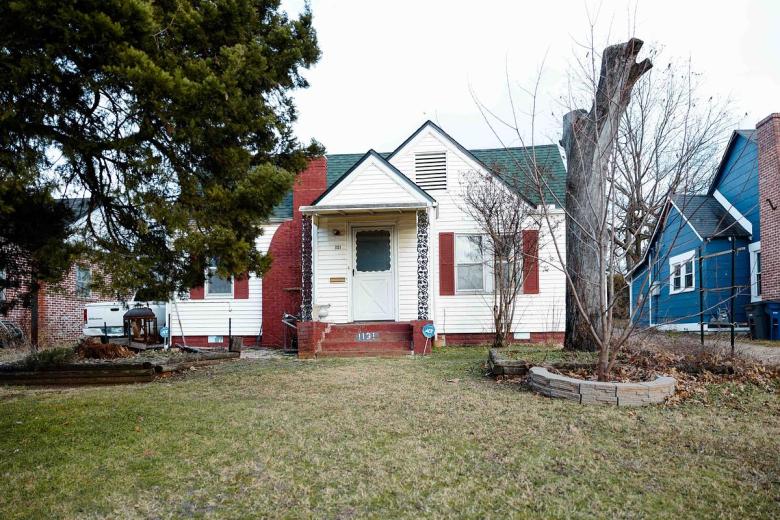
Mark Loop has lived in his midtown home for more than a decade. He wanted to bring back street signs identifying the Beverly Hill neighborhood. To do that, the city told him he needed to start a neighborhood association.
As Loop started the process, he searched archives for the neighborhood — between 11th and 13th streets from Pittsburgh to Toledo — and eventually discovered a housing covenant within the property records of his own home. Covenants are legally binding rules in deeds that determine how a homeowner can use their land.
“It said that no Africans may rent, lease, buy except if there are quarters built for them at the back of the property. It honestly astounded me,” Loop said. “It made me feel aghast that the language was in there to begin with.”
Some state lawmakers want to make it easier to scrub this language from property records. A law went into effect in November to help homeowners do so, but some counties have argued they don’t have the authority to change the records. Last Wednesday, a state House Committee unanimously voted in favor of a bill that would require county clerks to remove the language. Next up, it goes to the House Oversight Committee before the full House.
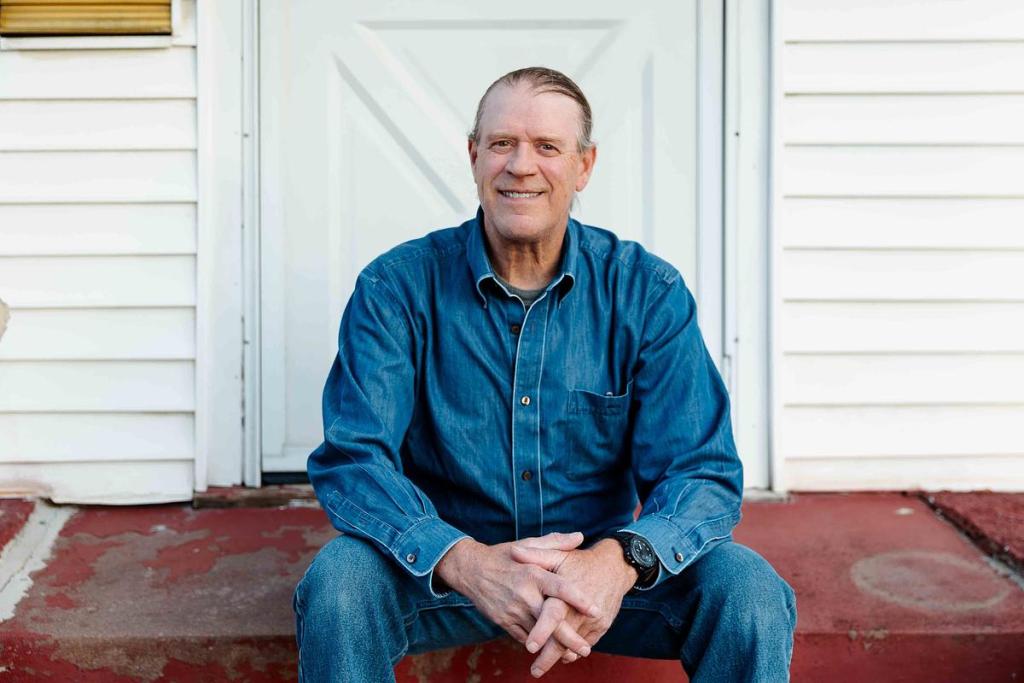
Co-sponsor Sen. Carri Hicks, D-Oklahoma City, says the bill would require county clerks to honor homeowners’ requests to change the language as long as a municipality passes an enabling ordinance.
“It’s a reflection of basically narrowing it down and putting a responsibility back on the municipality and on the homeowners,” Hicks said. “It is not an automatic trigger, but it does put responsibility back on the municipalities.”
According to the Tulsa County Land Clerk’s Division, there have not been any requests to remove discriminatory covenants since the law went into effect.
Old language still present today
Despite a 1948 Supreme Court decision that ruled state courts cannot enforce racially restrictive housing covenants, this language is still on the books for many properties in Tulsa — buried in records for more than a century. Many of them date back to the early and mid-1900s. The language often excluded housing for Black residents in Tulsa neighborhoods.
Tulsa Flyer found at least a dozen discriminatory housing covenants in at least three neighborhoods in the city’s midtown area. According to those documents, covenant language excluded Black people and other non-white residents unless they lived in “servant quarters.”
Treasure Doty, one of Loop’s neighbors, has lived in Tulsa for 31 years and in the same home for about 28 years. She describes the community as small and the residents friendly.
The neighborhood has changed over time, Doty says, with more diverse neighbors moving in and some homes becoming rentals. She doesn’t think most homeowners are aware of the covenants.
“I did not know those were written in our covenants of this area,” Doty told the Flyer. “I think for sure people on our block or neighborhood would want that removed. There would be people who would want to see it removed off there if they knew it was there.”
Doty’s and Loop’s neighborhood falls in City Councilor Laura Bellis’ district. A constituent reached out to Bellis about restrictive housing covenants Beverly Hill in summer 2023. She started looking deeper and found more restrictive covenants in the nearby Florence Park neighborhood.
Many of the remaining discriminatory covenants are from Tulsa’s reconstruction period after the 1921 race massacre, mostly in the city’s older and historic neighborhoods.
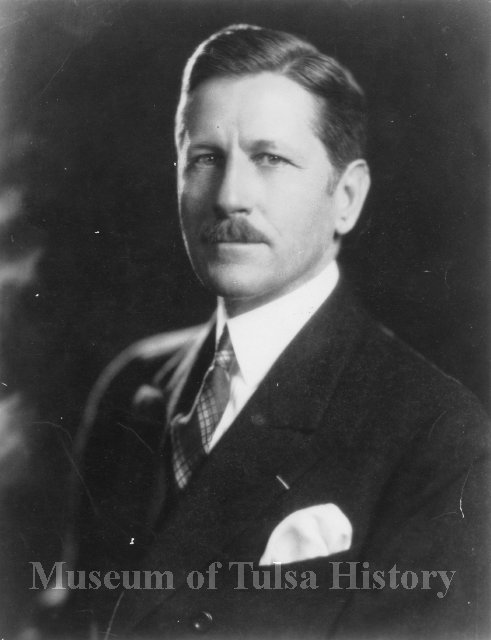
It was around this time in 1924 that Patrick Jay Hurley, a local real estate investor and former Secretary of War under Herbert Hoover, invested in discriminatory housing on the plat where Loop’s and Doty’s homes currently sit.
Hurley led First Trust and Savings Bank of Tulsa, a financial institution that operated in a market where Black Tulsans were denied credit. He also built the Ambassador Hotel in 1929, which operated as a luxury extended stay hotel for white oil executives and Tulsa businessmen.
Hurley’s mansion, located in the Maple Ridge neighborhood and now known as Hurley House, was also protected by discriminatory covenants, barring non-white residents.
The lasting effects of a racial divide
Loop and Doty live just half a mile away from White City — another community with racially discriminatory housing covenants buried in residents’ property records.
City Councilor Jackie Dutton represents the White City neighborhood, from Admiral to 11th Street and Yale to Hudson. She initially was not aware of the legislation that went into effect in November, but she hopes her constituents learn more about it.
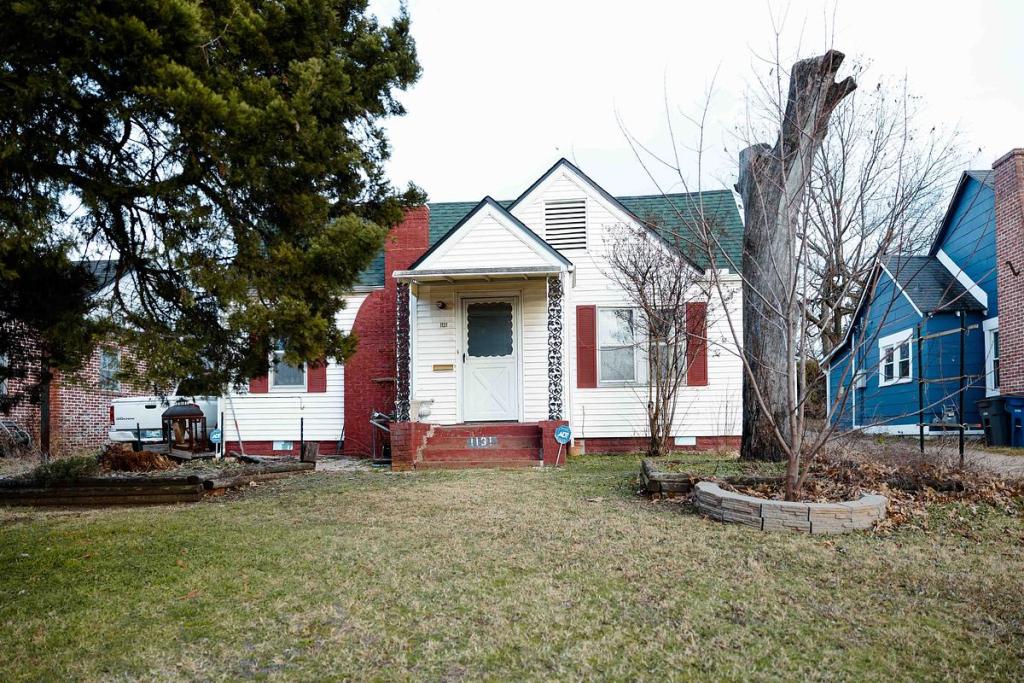
Dutton said Tulsa, historically and on some levels today, is “quite divided” along racial lines. People know the neighborhood dynamics and culture of where they are buying homes in Tulsa, she said.
“Discriminatory and unfair housing regulations are strong in Oklahoma to start with,” Dutton told the Flyer. “So this is a step forward from what I read here to addressing those antiquated Jim Crow-type laws.”
Bellis believes more people should be aware that covenants are one chapter of Tulsa’s city-wide development.
“Those communities are definitely more diverse today,” Bellis said.
Neighborhoods are seeing more young professionals move in, and that is impacting neighborhood makeup, she added.
“That said, I think the effects have more to do with when you get into property ownership and generational wealth. And just who did not have access to being in these areas of town,” Bellis said. “I see that as kind of the lasting effects kind of similar to the race massacre.”
An earlier version of this story incorrectly identified the president Patrick Hurley served under.
News decisions at the Tulsa Flyer are made independently of our board members and financial supporters. Read more about our editorial independence policy here.