


City and county leaders often talk about “TIFs” when large developments are in the works.
Recently, Tulsa city councilors approved a new TIF district to fund a mixed-use development near River Spirit Casino Resort at 81st and Lewis, and The Oklahoma Eagle reported how a TIF is funding new affordable housing in the historic Crutchfield neighborhood of north Tulsa.
But what exactly is a TIF, and what does that mean for your wallet? Let’s get into it.
What is a TIF and how does it work?
TIF is short for tax increment financing. Cities and counties use TIF districts to fund infrastructure improvements near large-scale development projects — and sometimes the projects themselves — by borrowing from future increases in tax revenue.
These developments often increase nearby property values and business activities over time. When a TIF district is created, the taxing entity — such as the city or the county — establishes a baseline property value for the area. Any property tax revenue generated above the baseline is deposited into a TIF fund, helping the developer cover some of the project’s costs.
A TIF can span up to 25 years in Tulsa, but they can end early if a project generates increased property tax revenue faster than anticipated.
Once a TIF district project is paid off, property tax revenue reverts back to recipients like schools and counties, which typically receive property tax revenues when TIFs are not in play. You can see where local property tax dollars are distributed here.
Common misconceptions about TIFs
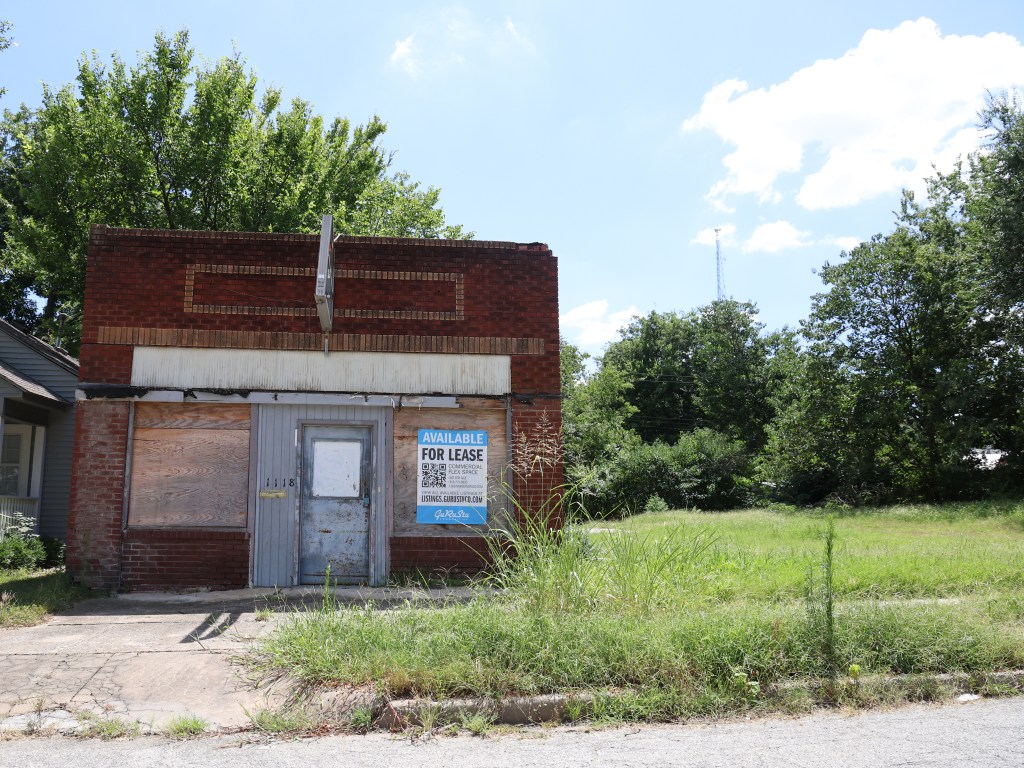
You do not pay a new, different or extra tax rate in a TIF district. TIFs do not inherently increase your property taxes. Increased property values do — and that increased tax revenue is allocated to the TIF fund.
“You’re not taxed. The residents aren’t being taxed anything,“ said Erran Persley, economic development director for the City of Tulsa. “It’s the increment, the extra that these catalyst projects bring, that gets returned back to the developers for the community.”
Additionally, Oklahoma law says property value for taxes cannot increase by more than 3% for homestead property or agricultural land or 5% for commercial property or residential property in a fiscal year.
Where are TIF districts in Tulsa?
Tulsa City Council approved three new TIF districts in 2025 to create 6,000 new homes by 2028 and support nearby infrastructure improvements to streets and sidewalks. Those districts include:
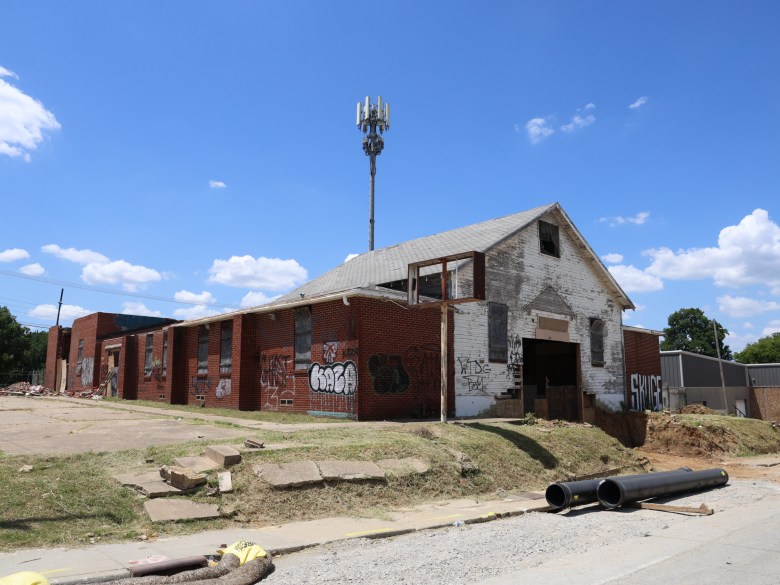
- Crutchfield from Highway 75 to east of Utica Avenue and south of East Pine Street to Interstate 244. This project will create 625 new affordable housing units.
- Pearl District from east of Highway 75 to west of South Utica Avenue and Interstate 244 to 11th Street. This project will create 320 new housing units and more parking.
- Southern Villa from east of Riverside Parkway to west of South Lewis Avenue and East 87th Street to East 89th Street. The property will be turned into a mixed-used development area with 870 new housing units and retail spaces.
Developers want the property value to increase over time as these areas become more attractive places to live and shop. The ultimate goal, Persley says, is to transform an area — like turning “something that’s not a good, not a valuable tax-creating entity for the city” into a more productive development.
PartnerTulsa, the city’s economic development authority, will manage these new TIF districts on top of other existing districts, including Woodland Hills, 11th and Lewis, Peoria-Mohawk Business Park, 36th Street North and Martin Luther King Jr. Boulevard, the downtown area TIF and the data center development known as Project Anthem in east Tulsa.
News decisions at the Tulsa Flyer are made independently of our board members and financial supporters. Read more about our editorial independence policy here.