


The Tulsa Police Department is facing a staffing shortage that will likely get worse before it gets better, according to local law enforcement leaders.
It’s not a new issue. The department’s numbers have been down for years. A 2024 state law temporarily kept TPD’s most tenured officers from retiring, but it came with a down side, said Jeff Downs, president of police union Tulsa FOP Lodge 93.
Downs said the law increased the pension multiplier from 2.5% to 3% for each year of police service after 25 years. It helped with staffing numbers temporarily, but now a number of retirements are looming over the department.
“The floodgates are going to open up, especially in July 2026,” Downs said, adding there’s concern that a drop in officers could impact police services. “We could lose a lot of people.”
The department is authorized to employ up to 941 total officers. But TPD Capt. Richard Meulenberg, a department spokesperson, says it currently employs about 810 sworn police with about 20 cadets in the academy.
The department is planning to launch a new downtown patrol division in August, but those plans only account for officers currently on the force, Meulenberg said. It remains unclear how many officers could retire in the near future.
With staffing uncertainties ahead, Downs said the department needs to find ways to make the job of policing more attractive.
“It’s kind of at a tipping point where things have got to change,” Downs said. “Basically, officers are going to have to be paid more.”
According to TPD’s website, the average first year officer’s pay — which includes overtime and holiday pay — is $70,401. The police academy’s base pay is $55,910. Graduates of the academy are also provided a take-home vehicle.

‘Do we really need college-educated officers?’
TPD is the only municipal police department in Oklahoma that requires officers to have a bachelor’s degree, Meulenberg said.
“Ninety-nine percent of municipal agencies do not require the same thing that we require,” he said. “That’s a barrier for many.”
Downs said the education requirement has been the subject of debate for many years.
“This has been a conversation around here for years,” Downs said. “Do we really need college-educated officers?”
Downs said studies show officers with bachelor’s degrees have better cognitive reasoning and skills.
“With the education it shows that your prosecutions are better, your lawsuits against the city are less and your criminal charges against the officer are less,” Downs said. “Then the exact opposite when you lower requirements. All of those things go up.”
Meulenberg believes TPD’s four-year degree requirement is necessary and an asset for the community. He called it a “thinking position,” citing the job’s demand to interpret law and policy.
“Practicing law enforcement and serving the community is not just running around, pulling people over, writing tickets and arresting people. There are nuances,” Meulenberg said. “There is an expectation to know all of our policies. When a new law comes out, ingest that information.”
Meulenberg said he also believes those who can successfully navigate a college environment are more likely to “get along with the general population.”
Bengel: ‘If the policies worked, we wouldn’t be talking about this’
City Councilor Christian Bengel, who represents a portion of east Tulsa, believes it may be time to review the department’s education requirement. Bengel served as a Tulsa County reserve sheriff’s deputy from 1999 to 2016.
“They say they’ve had this education requirement since 1970,” Bengel said. “Times change.”
While Bengel said pay is always going to be most important for recruiting law enforcement, he believes TPD’s policies are hindering the department’s hiring process. While he does not believe a bachelor’s degree is necessary to do “basic law enforcement on the street,” he said the department’s other tests are still relevant.
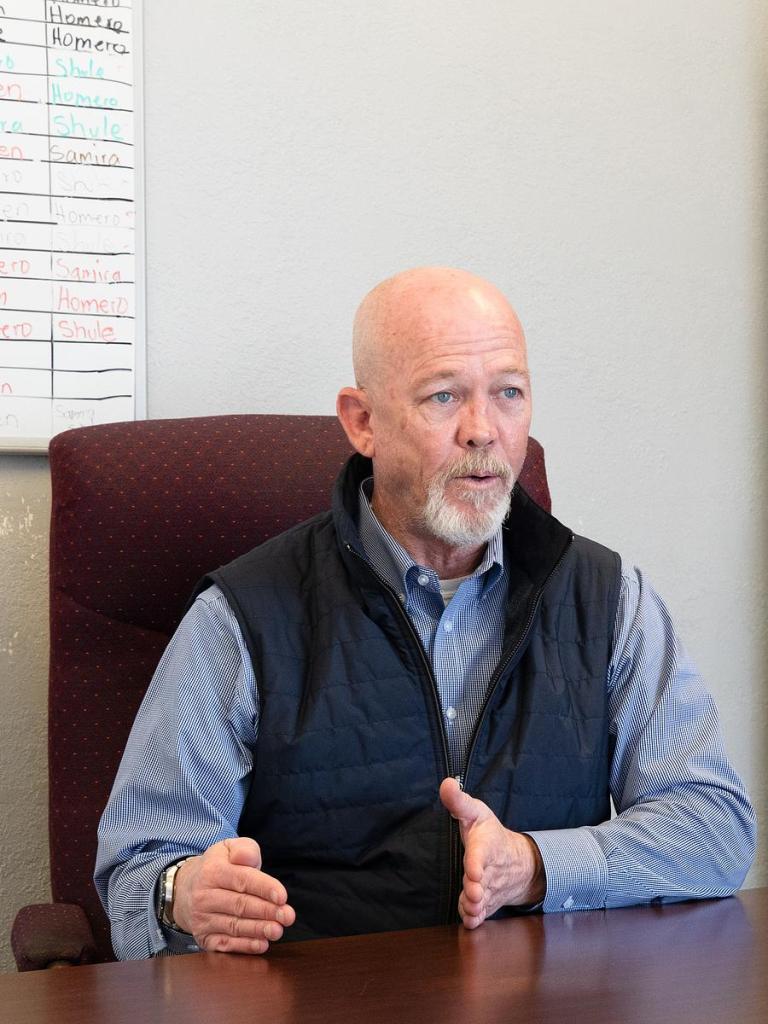
“I still feel like you need to keep the same system of vetting and processing when it comes to character, social media review, taking the personality test, the interviews,” Bengel said. “All of those things are still relevant because they give an idea to the police department about who they are hiring.”
There are few students today seeking a four-year degree with plans to become a local police officer, Bengel argues. Those with bachelor’s degrees that build tenure in law enforcement are often poached by federal agencies, he added.
“As a society, we have to look at our institutional policies and say, do these fit society today? Are these policies still relevant?” Bengel said. “If the policies worked, then we wouldn’t be talking about this. They don’t work.”
He noted all officers, no matter their experience, are required to complete the 30-week police academy as well 16 weeks of field training before joining TPD.
“We do have the best police force in the nation. We do have people who want to make that shift from their municipality to Tulsa,” Bengel said. “But we don’t have a bridge program for people to go through an abbreviated academy.”
TPD should also provide a bridge program for veterans, depending on their experience and military occupational specialty, Bengel said. He is a U.S. Army veteran who served in South Korea as well as Operation Desert Shield and Desert Storm.
Bengel’s idea? Starting a multi-year pilot program that provides a shorter police academy process for experienced officers and military veterans.
“People who go serve their country and then come home, they should be able to serve their community (as a police officer),” Bengel said.
News decisions at the Tulsa Flyer are made independently of our board members and financial supporters. Read more about our editorial independence policy here.
