


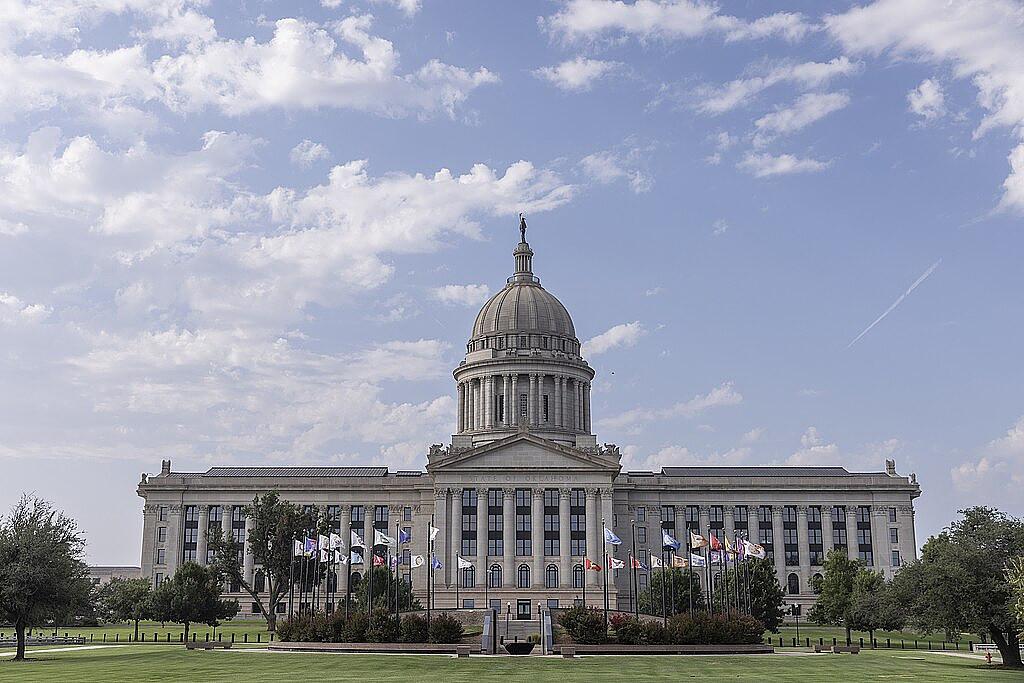
As Oklahoma lawmakers prepare to head back to the capitol Monday, they’re signaling their priorities for 2026. Here are a few bills that stand out, including several from Tulsa-area representatives.


Criminal justice reform
Senate Bill 1213, sponsored by Sen. Dave Rader, R-Tulsa, and Rep. Erick Harris, D-Edmond, would allow people in prison to reduce their sentences through “good behavior credits” while waiting to transfer to prisons.
Rader also filed Senate Bill 1381 on pre-trial detention reform in both county jails and Department of Correction facilities. The legislation aims to address Oklahoma’s overcrowded prisons and reform pre-trial detention with the intention of reducing the prison population. Courts would be required to hold initial hearings before a judge within 48 hours of arrest on weekdays and within 72 hours on weekends or holidays to determine if the defendant can be released. It would also protect the defendant’s right to a lawyer.
House Bill 3096, introduced by Rep. Molly Jenkins, R-Coyle, gives protection to crime victims, allowing them to request a view of potential plea agreements before a judge would ultimately accept them. The bill aims to enhance the victims’ voice in cases where they were harmed.
Potential regulations for artificial intelligence
Rep. Cody Maynard, R-Durant, filed three bills addressing artificial intelligence, including the commercial use of AI chatbots. House Bill 3544 would mitigate children’s use of AI chatbots and diminish possibilities of children inflicting self-harm from possible communication with bots.
Another of Maynard’s bills, House Bill 3546, would prevent artificial intelligence or algorithms from having any level of personhood status in Oklahoma. In other words, AI would strictly be treated as a tool and not given constitutional or legal rights in the state. His last bill, House Bill 3545, would restrict AI use in state government and require human review of certain AI-driven recommendations.
Laws that went into effect in January
A bevy of bills passed during the 2025 session became law Jan. 1. Here are some of them.
Classifying felonies
The Oklahoma Sentencing Modernization Act, drafted by Rep. Mike Osburn, R-Edmond, gives more specific time-served requirements for different classes of felonies. For example, a person convicted of a Class C felony would have different time-served requirements compared to a person convicted of a Class D felony. The law does not increase sentencing but instead clarifies required sentencing for specific crimes.
Personal info protection
The Security Breach Notification Act now requires businesses to report personal data breaches that would affect 500 or more Oklahoma residents to the attorney general within 60 days. Personal data includes government-issued identification, facial scans, fingerprints and other personal information gathered from advanced technology.
Companies are also required to implement secure defenses and safeguards against data breaches and training for preemptive efforts in reducing any future possible breaches.
Wind energy
Oklahoma added more regulations to wind energy facilities with a new wind energy law. Senate Bill 713 requires facilities to install technology that would suppress light in order to reduce pollution and prevent planes from colliding with wind turbines. Facilities are required to apply to the Federal Aviation Administration and the Federal Communications Commission.
The law ensures planes can detect turbines and avoid any possible risk of collision. Gov. Kevin Stitt initially vetoed the bill but the state legislature overrode that veto.
Ambulance service requirements
Senate Bill 1067 now allows local ambulance service providers to submit their service rates to the Oklahoma Insurance Department. The law establishes a public database and sets new guidelines on reimbursement rates for out-of-network ambulance providers, otherwise known as ambulance services, that are not contracted with a person’s health insurance coverage.
Some ambulance providers opposed the law, saying it took reimbursement out of local government hands and limited how much providers could make.
Got questions or suggestions about legislation we should cover during the 2026 session? Send them our way at connect@tulsasflyer.org.
News decisions at the Tulsa Flyer are made independently of our board members and financial supporters. Read more about our editorial independence policy here.