


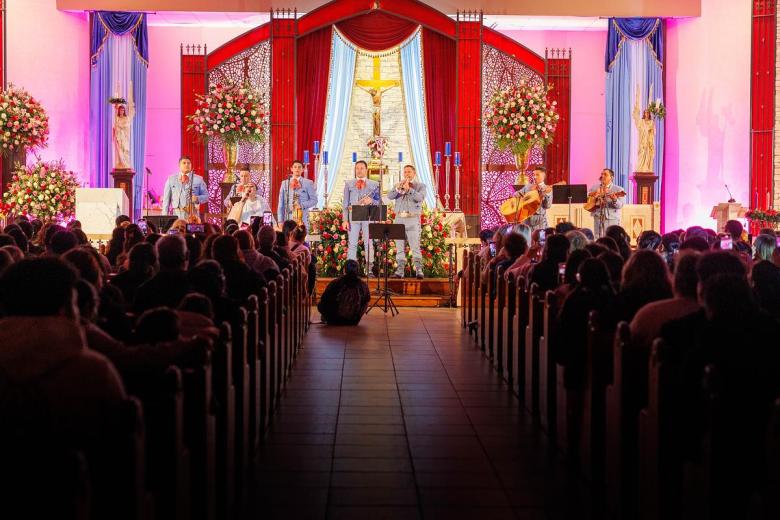
Ever since I can remember, I have always celebrated Christmas on the evening of Dec. 24.
Christmas Eve, known in Latin culture as Noche Buena, is often the night Latinos gather to celebrate Christmas. It’s a long evening that often runs until the early morning of the 25th.
It’s the holiday that I look forward to the most every year. Starting at around 8 p.m., my cousins and aunts start trickling into my parents’ home for the celebration. We wait until the clock strikes midnight.
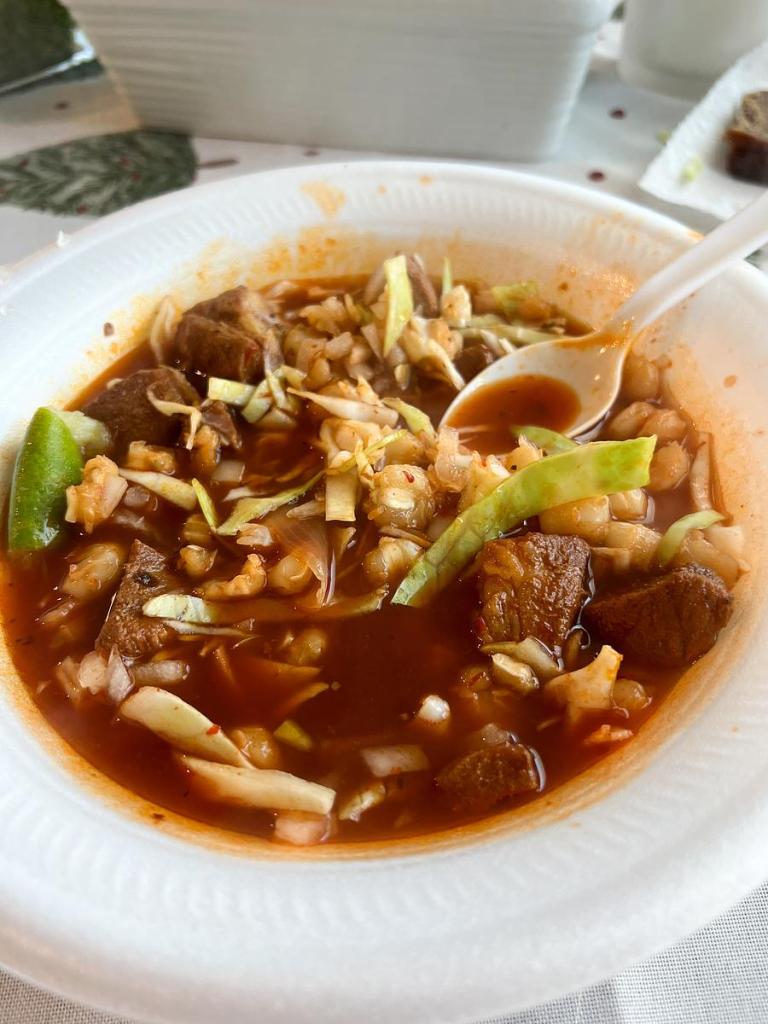
The night is centered around eating traditional Mexican food, including my favorite dish, pozole rojo — a stew of hominy, pork or chicken in a red chile broth. We also play games and often do a Secret Santa exchange of gifts or play a game of White Elephant.
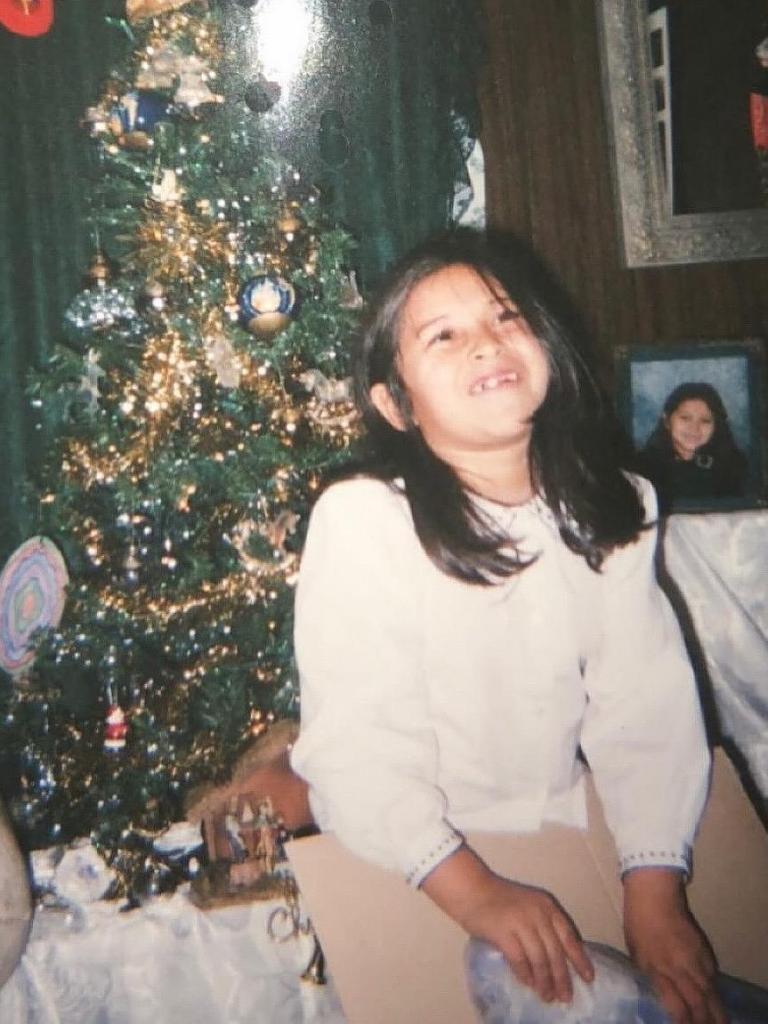

The annual celebration was different from many of my classmates growing up. Most of them would head to bed early to wake up on Dec. 25 to open presents from Santa.
Noche Buena is a tradition I decided to take a deeper look into this holiday season. I spoke with a few east Tulsans to ask why and how they celebrate the holiday.
Each family gives different reasons for their celebration: observing baby Jesus’ birthday, uniting with family or keeping a tradition alive they’re used to. The evening has ties to the Catholic Church, too, and many local churches offer evening mass ahead of Christmas Day.
Ginette Sánchez recently moved to Tulsa from Miami. This year will be the first where she only celebrates with her boyfriend on Noche Buena.
But back in her home country of Venezuela, she attended Misas de Gallo, or midnight mass.
“It’s always been a family tradition,” Sánchez said. “It’s a day of happiness because it’s the birth of baby Jesus.”

Ever since she can remember, Mayra Badillo said Noche Buena has been a time to celebrate Jesus. “We’d make the food and celebrate Him starting at midnight,” Badillo said.
The night is often filled with people gathering to prepare dinner and sometimes exchanging gifts.
Meanwhile, Karla Aimacana spends Noche Buena at her sister’s house where they eat food from their home country of Ecuador. They celebrated Noche Buena back home and have continued the tradition since moving to the U.S.
Their night is filled with dinner, singing and games. The celebration sometimes lasts until 5 a.m., she says.
She’s not sure what’s on the menu this year. Aimacana plans to bring desserts, including apples with cream, strawberries with cream or jello.
Her family not only celebrates the holiday, but also celebrates her niece’s birthday that falls on Christmas Day.
“We sing the birthday song to her at midnight and we have her blow out the candles, but we don’t eat the cake because we’re already too full,” Aimacana said.
It’s important now more than ever to unite with family, Aimacana said.
“We should try to maintain calm during these difficult times that we’re living in this moment in this country,” she said.
Abigail Gonzalez gathers with her family on Noche Buena and eats traditional Venezuelan food. They eat yaca, a dish similar to a tamal, and a salad with her family at the table.
She does her best to make Christmas memorable so her two children can make positive memories.
“Everyone should keep their family close and live every year because life is unpredictable,” Gonzalez said. “Celebrate every moment and celebrate Christmas to the max each year.”
Find church services for Noche Buena and Navidad:
St. Thomas More Catholic Church
Posadas:
- Every day until Dec. 23
- 6 p.m. Rosary with a procession to follow
Noche Buena / Christmas Eve:
- 5 p.m. English
- 6 p.m. Spanish
Navidad / Christmas Day
- 9 a.m. English
- 11 a.m. Spanish
- 1 p.m. Spanish
- 3 p.m. Spanish
St. Francis Xavier Catholic Church
Christmas Eve:
- 4 p.m. English
- 6 p.m. English
- 10 p.m. Spanish
Christmas Day:
- Midnight Mass
- 9 a.m. Mass
St. Clement Catholic Church
Christmas Eve:
- 5 p.m. English
- 10 p.m. English
Christmas Day:
- 9:30 a.m. English
- 12 p.m. Spanish
Angelica Perez is the Eastside/La Semana reporter. You can reach her at angelica@tulsaflyer.org. También habla español.
This article was produced as part of a partnership between the Tulsa Flyer and La Semana, a Tulsa-based bilingual Spanish-English newspaper serving Latino communities in Oklahoma.