


Tulsa Public Schools is making cuts. Exactly what those will be is coming into focus.
Specific recommendations will go before the board Sept. 21, and Superintendent Ebony Johnson’s final plan is due in October. Here’s what you need to know about the district’s options and how to make your voice heard.
What does TPS say it’s considering?
At the Sept. 8 board meeting, administrators outlined five options for reducing its financial deficit by at least $12 million. TPS has said any changes would take effect in the 2027-28 school year at the earliest if approved by the board.
TPS says options include:
Closing and consolidating small schools
TPS defines a “small school” as one with less than 350 enrolled students. Per the district’s end-of-year counts last spring, 21 sites would be considered small.
A dozen schools had end-of-year enrollment rates between 350 and 400 students. Read the Flyer’s story on district-wide enrollment data for more details on school size.
Leaders at schools at risk of closure or consolidation will be notified by Sept. 20, Johnson said. Families at those schools would be notified before winter break where their children would attend the following year.
Students with accommodations through an Individual Education Plan must still receive the same services at another school.
“A school can be beloved, well run and full of great teachers and still be a building that serves far fewer students than it was built for,” reads a district statement on its planning page.
Enrollment size is not the only factor being considered, according to Johnson.
Increasing class sizes
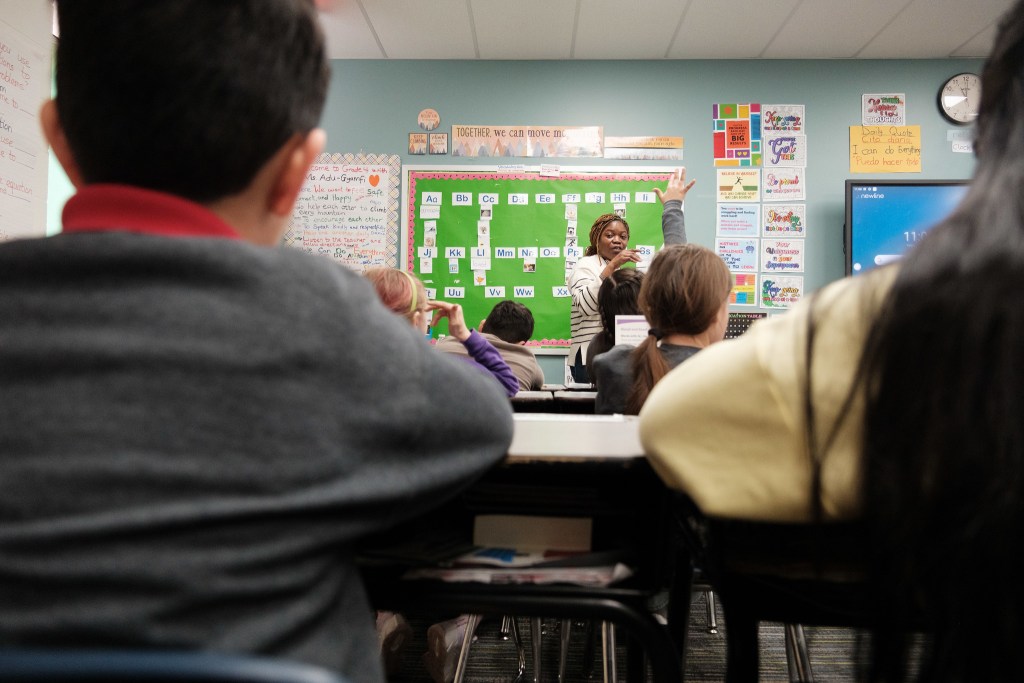
Student-to-teacher ratios at TPS range from 24:1 at the elementary level to 33:1 in high school classrooms. The district says class sizes may increase if schools close or staffing is cut.
“The goal is not to overload your classrooms at all,” Johnson said at the district’s first planning information meeting Sept. 9.
Johnson said the district is considering the effect this would have on student outcomes, teacher morale and family trust.
“I would not set up a classroom that would be unbearable for me to teach and put you all as educators and families in a situation in which I wouldn’t be happy about,” Johnson said.
Freezing salaries for all employees
Johnson said the district wants to find a “better compensation structure that we can actually afford” and give teachers greater compensation. However, a salary freeze option is on the list of possible next steps.
Johnson said she is “not at all interested” in staff not being compensated year-to-year.
“Much like how I ensure that I have to get my bills paid, you do too. And so the thought of people not getting their compensation and freezing compensation, does not bring a lot of interest as it relates to what could be recommended to the board,” Johnson said. “It’s important, though, that people see all of the things that we have to contend with when we have to make decisions.”
Reducing access to services and programs
District administrators say they hope to improve equitable access to services and programs at all schools.
However, cuts to counseling and wraparound services, field trips, athletics and fine arts programs are included as possible options. Investments in many of these areas were included in the district’s 2026 bond proposal passed earlier this year.
Reducing transportation access
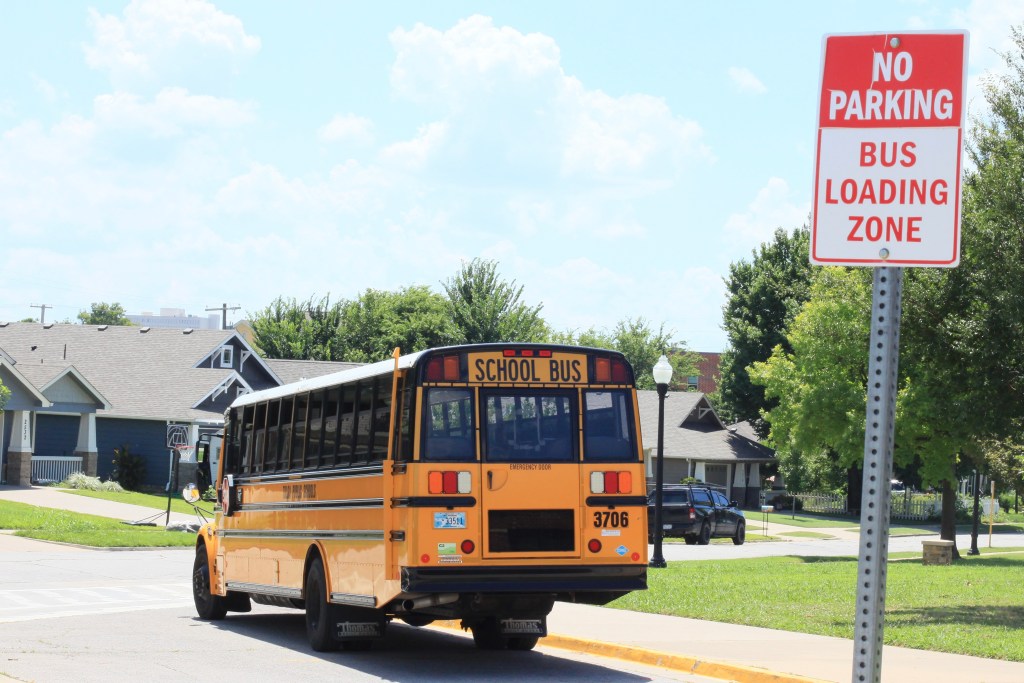
Despite high enrollment and popularity, magnet programs may end transporting students.
The district is considering an increase to the walking radius for students, currently at 1.5 miles in elementary and 2 miles in secondary. Walking to school is already a stressor for some families, particularly in neighborhoods where stray dogs tend to roam.
Legally the district must maintain services for special education students.
“One thing I can’t officially guarantee in this conversation thus far is that we will not cut any transportation services for students,” Johnson said Sept. 9. “Specifically, we will not cut any transportation opportunities and resources for our special education students.”
How did TPS get here?
The district’s shortfall has been a topic of discussion for months at board meetings. Cost-saving measures such as cuts to employees and sales of surplus property haven’t been enough.
Many factors affect district finances, including a drop by nearly 6,000 enrolled students in the past decade, reducing state funding.
If TPS continues its current spending, administrators say, it would drain the pool of carryover dollars used to cover core costs throughout the year. The district saw a $13 million deficit in the past fiscal year, which it expects to continue.
TPS commissioned a third party to analyze central office staffing last July. It recommended five stages of cuts in and outside the district’s administrative hub. The district sold 11 surplus properties — including schools closed in previous cost-correcting efforts — and laid off dozens of employees.
In June, the district convened a long-range planning committee to review finances, outcomes and enrollment. This group is largely composed of representatives from philanthropic organizations, the City of Tulsa and large businesses including Cox Communications and ONEOK.
The district also passed a $609 million bond package in April, though bond money cannot be used to cover operational spending like employee salaries. However, administrators say they’d like to use those funds more efficiently going forward.
How can I voice my opinion?
The district is hosting five more information sessions and has a survey for community members open through Oct. 16.
TPS administrators say information from the sessions and survey will affect how reductions are carried out, “including how transitions are handled, transportation, timing, staffing, where students go and which programs move.”
The board is set to meet Sept. 21, Oct. 5 and Oct. 9 at 5:30 p.m. at the Education Service Center, 3027 S. New Haven Ave. The board has final approval over the district’s recommendations.
There are two ways to speak at a board meeting. To address the board on an agenda item, complete a paper form by 5:25 p.m. or an electronic form by noon the day of the meeting. To comment on a non-agenda issue, submit a request form seven calendar days before the scheduled meeting. All speakers receive three to five minutes.
Breakout: How to contact your Tulsa Public Schools board representative
District 1 Stacey Woolley: board1@tulsaschools.org
District 2 Calvin Moniz: board2@tulsaschools.org
District 3 Kyra Carby: board3@tulsaschools.org
District 4 Connie Dodson: board4@tulsaschools.org
District 5 John Croisant: board5@tulsaschools.org
District 6 Sarah Smith: board6@tulsaschools.org
District 8 Susan Lamkin: board8@tulsaschools.org
News decisions at the Tulsa Flyer are made independently of our board members and financial supporters. Read more about our editorial independence policy here.
