



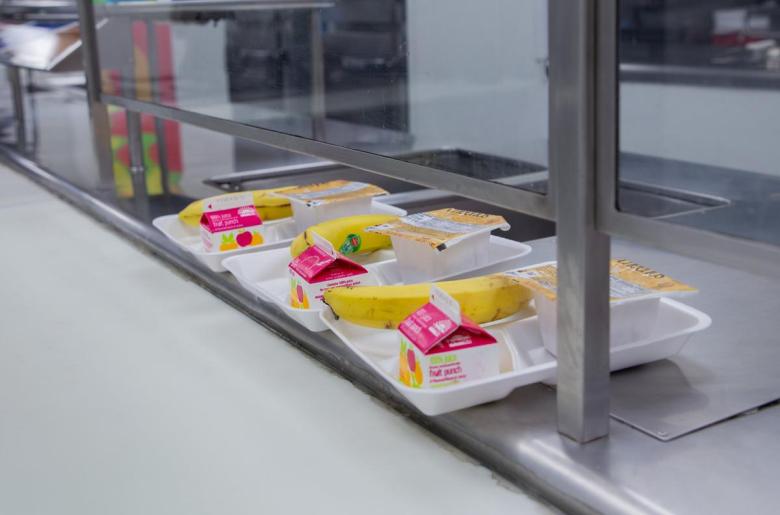
Tulsa Public Schools tapped a former district employee to bring the child nutrition program back in-house after complaints from students and staff about the quality of school lunches.
Lisa Griffin previously led Union’s child nutrition program and assisted Oklahoma City Public Schools with its return to in-house management. She will serve as a contracted adviser during the TPS transition, receiving up to $48,000 for her work.
“My focus is taking care of our employees, meeting their needs, meeting their training needs, so that they can take care of our kids,” Griffin said at Monday’s board meeting. “And then, of course, you have to have money to do this and pay for the employees and quality food.”
The district board unanimously approved a temporary contract renewal Monday night for current third-party vendor, Aramark. The company is expected to run child nutrition for about six months until TPS is self-sufficient.
In the meantime, Griffin said she’ll take a closer look at the district’s systems for food quality, procurement, warehousing, trucks and delivery, engaging students in the process. Her first priority, she said, is supporting child nutrition staff and training them ahead of the transition. Her remarks drew tears from some attendees, including AFT 6049 President Nancy Leonard.
“I’ve been fighting two years for these girls — you’re a prayer answered,” Leonard said while tearing up and hugging Griffin Monday night.
“(Staff) deserve respect, stability and working conditions that allow them to do their jobs well,” she continued. “These are dedicated employees who care deeply about their students and take pride in serving their school communities.”
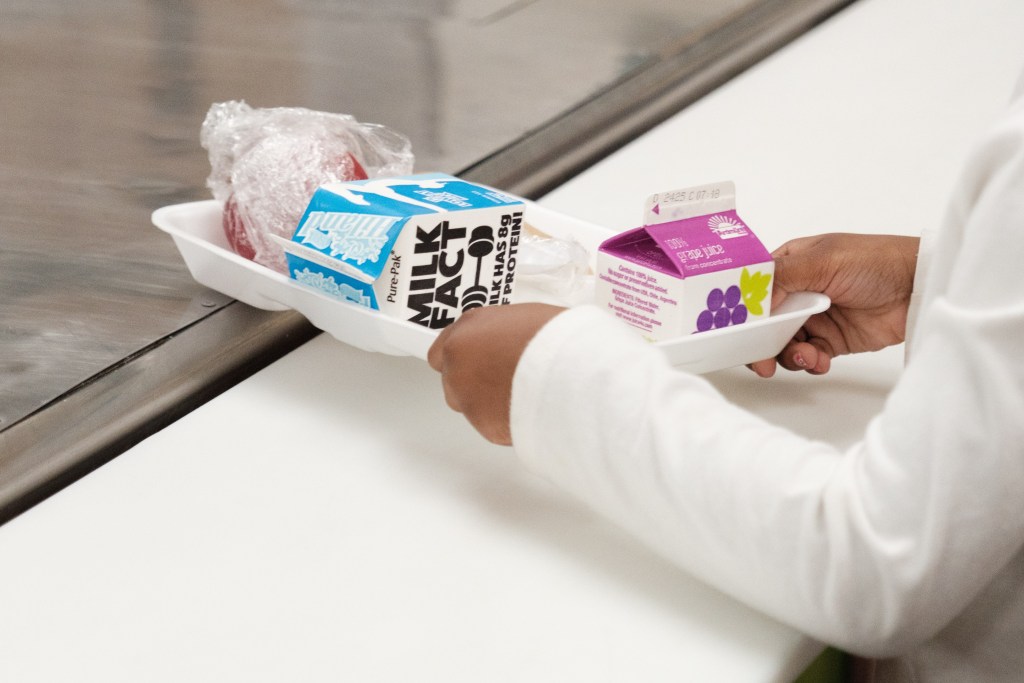

Years of external management have taken their toll, according to longtime cafeteria employees who applauded the decision to transition back in-house.
“Those corporate giants, they don’t know,” said Ginnie Holly, a cafeteria manager at Will Rogers College Middle and High School. “They haven’t walked a mile in our shoes.”
Holly was frustrated by student reports of curdled milk, something she said she’s never seen in the decade she’s worked at Rogers. She said the food procurement companies and processed foods are driving student frustration, not cafeteria staff.
“I think that’s the biggest complaint from the students,” Holly said. “We do what we can with it to try to make it better, more tasty, more eyeball appealing — ‘cause believe me, that doesn’t come very often.”
Griffin told the board complete cooking from scratch isn’t likely — kids still like frozen chicken nuggets — but it is possible to meet federal guidelines and save money without a complete heat-and-serve food program.
“Our goal is to have some from-scratch cooking that looks good and tastes good and is appealing to the students,” Griffin said. “We can’t bring in our income, our revenue, if the kids aren’t eating.”
As the board moved into a private executive session, Griffin got right into brainstorming improvements with cafeteria managers — including how to make familiar TPS recipes, like cowboy bread, compliant with federal nutrition standards and adjust staffing so they qualify for health insurance.
“We’re gonna have a lot of discussions,” Griffin said to cafeteria managers. “We need to do a lot of training, you know, and it’s exciting. I believe we just need to build you all up.”
“We are so ready,” Holly said.
News decisions at the Tulsa Flyer are made independently of our board members and financial supporters. Read more about our editorial independence policy here.
