


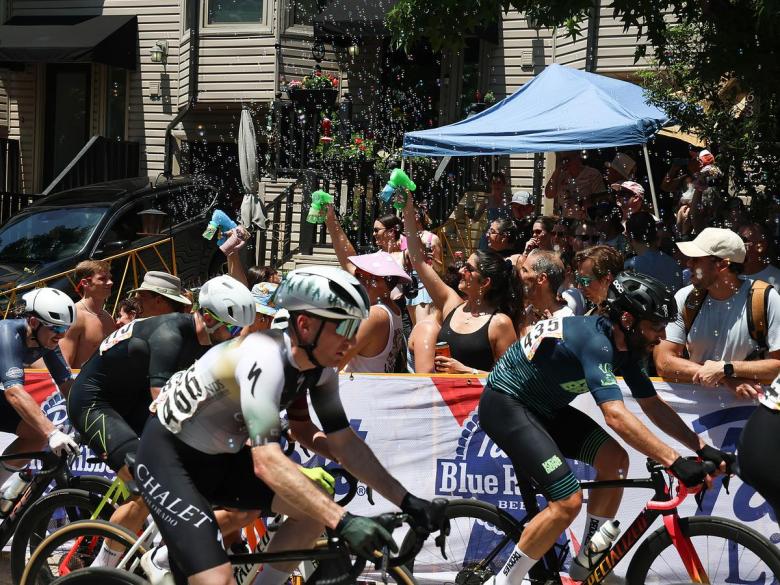
Twenty years ago, Tulsa’s cycling scene punched above its weight, but it was a bit of a secret.
“The cycling scene was pretty robust,” said Malcolm McCollam. “But it was kind of all — I don’t want to say it was underground — but it was not that well known to the general public.”
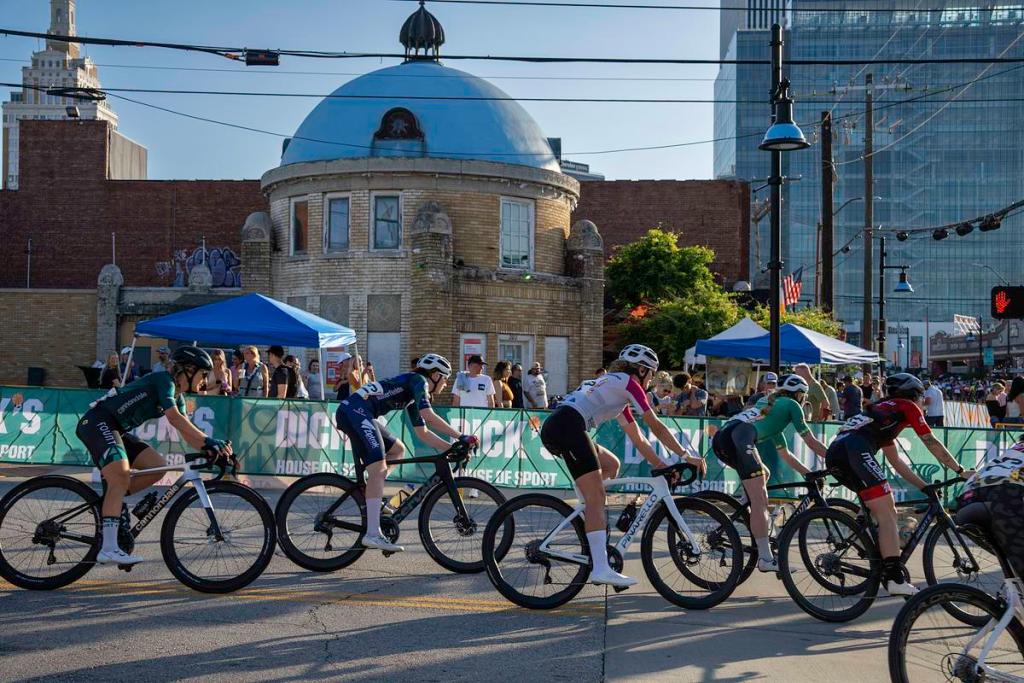
Saint Francis Tulsa Tough, the city’s premier cycling event, changed everything. The three-day festival, which runs from June 5-7, has grown beyond an attraction for cyclists across the globe. Now it’s a cultural juggernaut that attracts tens of thousands of spectators and partiers to Tulsa each summer.
It’s also driven an enthusiasm for the sport that even McCollam, the event’s executive director and one of its co-founders, couldn’t have imagined two decades ago.
Cycling clubs like the Tulsa Wheelmen — Oklahoma’s oldest cycling team — and the Tulsa Bicycle Club have been around for decades, McCollam said. In the ‘90s, he said around two dozen cyclists would show up to a Wheelmen ride each weekend.
“Now, there are literally dozens of clubs in the Tulsa metropolitan area, maybe half of them focus on competitive racing and the other half on recreational riding, and the club scene and the group participation is so robust,” McCollam said. “It’s not uncommon to have five or six group rides on a weekend with maybe 50 or more in each group.”
The presence of cycling in Tulsa is undeniable today — and Tulsa Tough’s footprint across the Blue Dome District, Arts District and the Riverview neighborhood is a testament to it. Founded in 2006, it’s become one of the largest competitive cycling events across the United States.
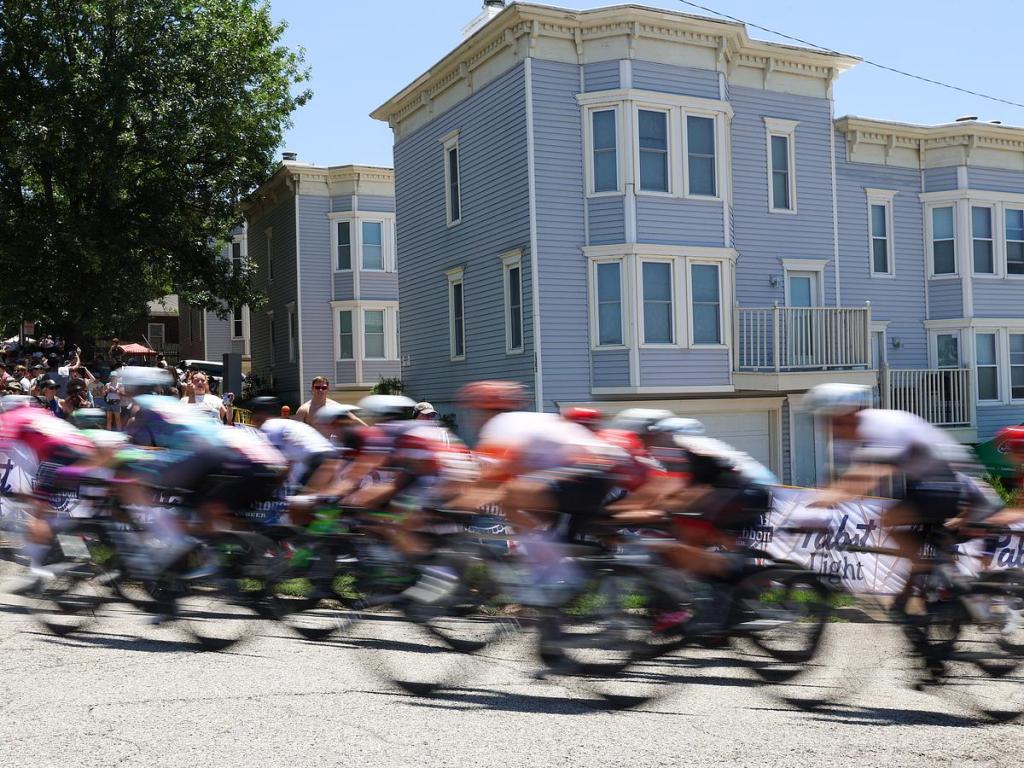
While all races draw a crowd, the weekend’s final race on Cry Baby Hill — a grueling climb that marks the finale of the River Parks Criterium — is a spectacle of its own, even inspiring a long-delayed and controversial public art installation.
Crowds gather in the summer heat at 13th and Jackson Sunday morning to party and drink copious amounts of beer as they cheer on, and playfully heckle, cyclists racing up the hill toward the finish line.
“It has become such an iconic and well-known feature,” McCollam said. “Other event directors from around the country for many years keep asking me, ‘How can we get a Cry Baby Hill for our event?’ And I just have to laugh and say, ‘You can’t.’ This thing is as grassroots as they come.”
Partying and bicycling: The foundation of Cry Baby Hill
During the first year of Tulsa Tough, a small block party of about 60 people took place in the Riverview neighborhood, said Andy Wheeler, a Cry Baby Hill referee. Having been overserved the night before, Wheeler said he and his friends spent more time watching the event than participating.
“We brought some bass drums and stuff like that, but it was more of a spectator’s thing to see how it went,” Wheeler said. “The next year we realized that we’ve got to come prepared for this.”
The next year, Wheeler and a group of friends came to Tulsa Tough equipped with instruments. Those friends included, among others, Josh Gifford and Mike Wozniak. Both are former owners of Soundpony, a cycling-themed bar near Cain’s Ballroom that serves as a hub for Tulsa cyclists.
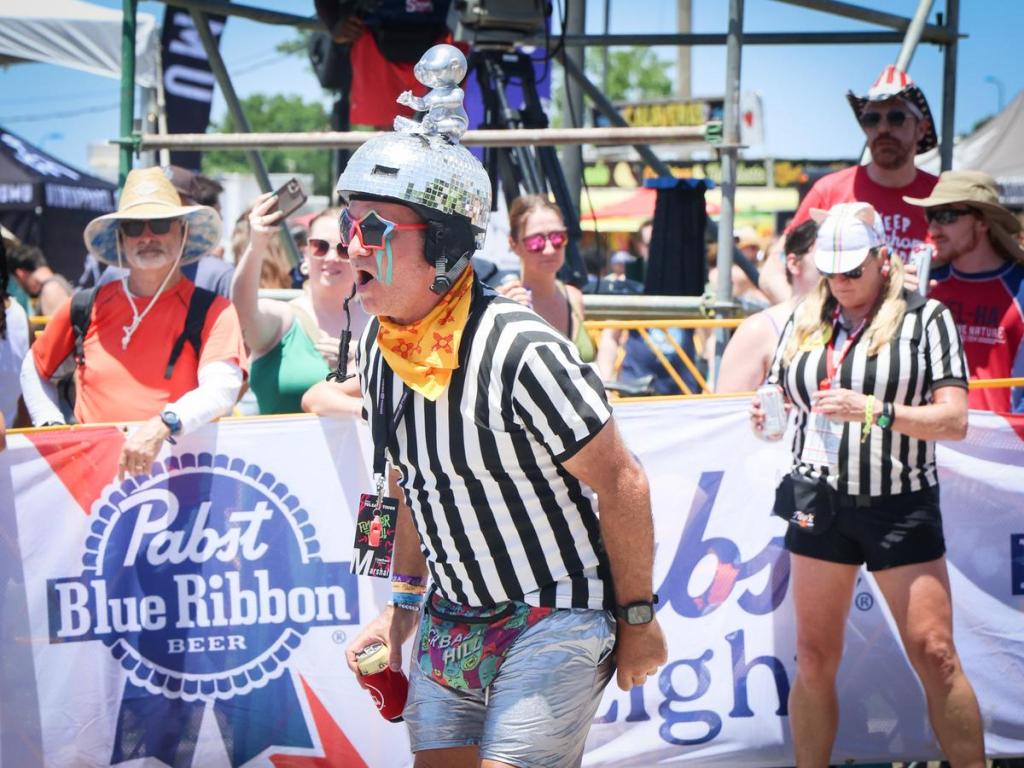
A cyclist himself, Gifford hosted a professional bike team at his house that weekend. After the Saturday races in the Arts District, a cyclist named Joe Schmalz rolled into Gifford’s house with a baby doll on his handlebars, Gifford said.
“Why do you have a baby doll on your bike?” Gifford asked.
“Well, I had a bad race and my mom put it on there because she said I was being a baby,” Schmalz said. “She told me to suck it up because I still have one day of racing.”
That sparked a “light bulb moment” for Gifford. As cyclists began to lose pace climbing the hill the next morning, Gifford began heckling them with the baby doll.
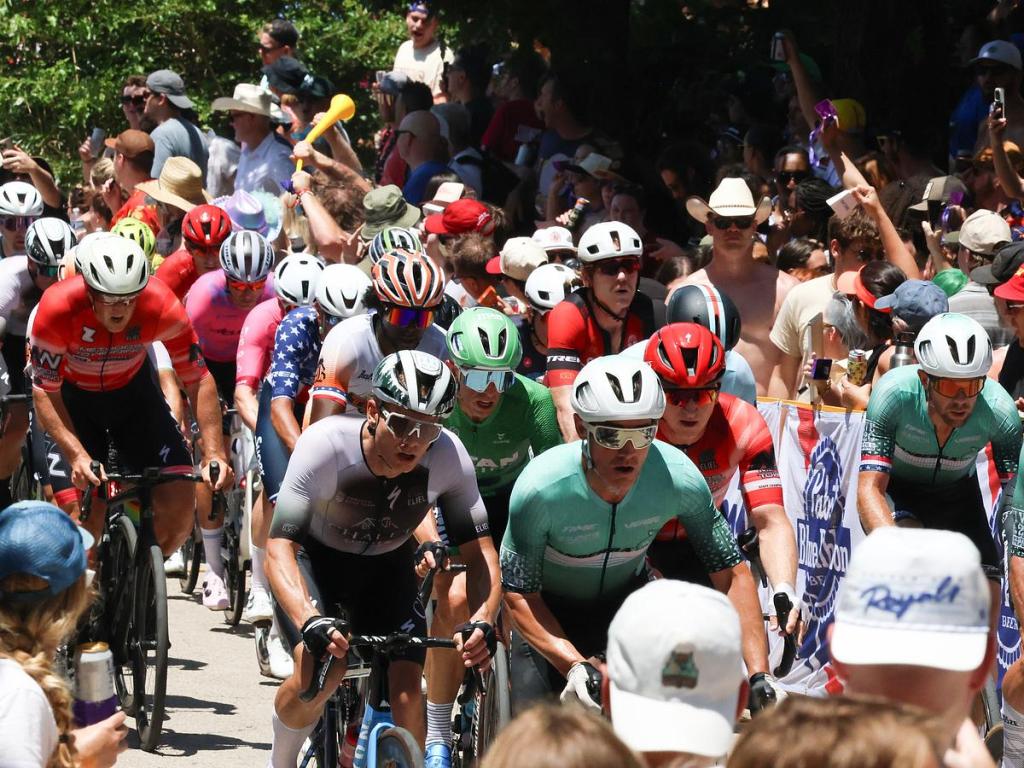
The group set up a makeshift stage on a friend’s driveway on the hill, where they sang songs about the races. Gifford and friends recreated the stages in different yards each year until sponsors came together to fund a legitimate stage, he said.
“I started making up songs about Cry Baby Hill and stuff,” Gifford said. “People around us were like, ‘Oh my God, look at these guys, they’re having so much fun,’ but we were like the only people on the hill that were dressed up and yelling at people — giving them beer hand-ups.”
Over the years, Cry Baby Hill became more and more popular, but Gifford said it was never his intention to grow the event’s popularity.
“We had spent our lives watching the Tour de France and seeing people go crazy next to the mountain climbs and run up the hill next to the racers. That’s all we really wanted to do was yell and scream at the racers,” Gifford said. “Then everybody else realized it was pretty fun, so they started doing it too.”
McCollam said Gifford, Wozniak and Wheeler, among others, did more for Cry Baby Hill than he ever could have anticipated.
“Those guys did it from the ground up authentically from their love of partying and bicycling,” McCollam said.
Promoting active lifestyles for 20 years
When the co-founders of Tulsa Tough first convened in 2004 to explore creating a cycling event in Tulsa, McCollam said the group sought to do two things: Create an image for Tulsa and inspire people to adopt an active lifestyle.
While events like the Tulsa Run and Oktoberfest have been celebrated in the city since the ‘70s, McCollam said the city needed to craft a new identity.
“Tulsa didn’t have an image,” he said. “We weren’t on anybody’s radar as a destination.”
McCollam said he hopes Tulsa Tough has played a role in growing the sport across the city and promoting others to be active.
“There’s never any one single factor that you can probably point to, but I think we’ve done our part, and we’re going to keep trying to do our part,” he said. “There’s no finish line on that. There’s plenty of people we can inspire to adopt an active lifestyle.”
Crybabies in space
As of June 1, 2,414 cyclists have registered to compete in the criterium races. Another 1,081 registered to ride in the fondos — the long-distance rides taking place Saturday and Sunday morning.
Prepare to see racers and spectators decked out in costume for the final day at Cry Baby Hill, where the 2026 theme is “Crybabies in Space.” Think “Star Wars,” NASA, “Star Trek” and everything in between.
Friday: Races begin at 3:55 p.m. in the Blue Dome District, centered around 3rd Street and Elgin Avenue, with the last race scheduled to start at 8:20 p.m.
Saturday: The gran fondos in the Arts District begin at 7:30 a.m. and close at 5 p.m. Saturday. Pro races, centered around Reconciliation Way and Boston Avenue, have start times between 9:20 a.m. to 6:40 p.m.
Sunday: Racers in the gran fondo at 15th Street and Riverside Drive will start at 7:30 a.m., with the course closing at 2 p.m. Pros will start their Cry Baby Hill races at 8:30 a.m., with the last race starting at 4:45 p.m.
Find the full schedule here — and look out for more Flyer stories about the event this week.
News decisions at the Tulsa Flyer are made independently of our board members and financial supporters. Read more about our editorial independence policy here.
