


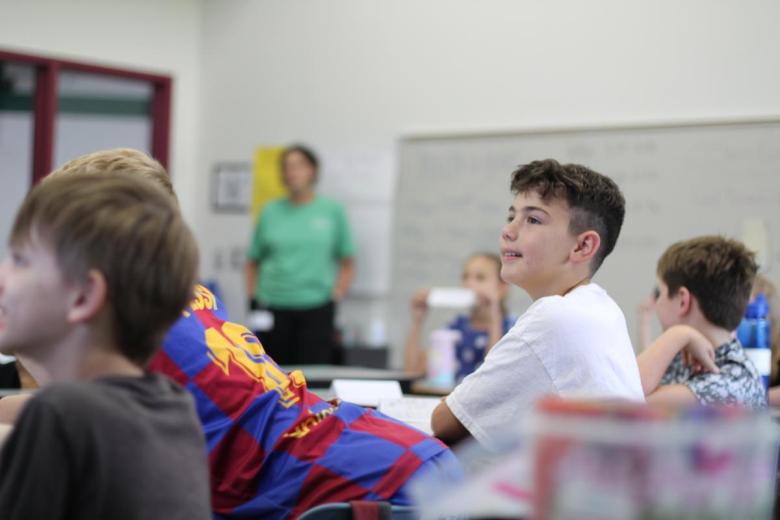
Summer school certainly isn’t a new effort at Tulsa Public Schools. But revamps of the district’s long-established summer programs hope to better serve elementary and middle schoolers.
“We want kids to have a really positive experience and for it to foster love of learning, foster love of reading,” said Kelly Kane, the district’s executive director of elementary & early childhood education. “And for them to return to school feeling more capable of engaging in grade-level material.”
Around 2,300 kindergarten to eighth grade students started TPS Summer Learning this week for a 16-day sprint of reading and math intervention, free meals and afternoon activities.
That’s paired with a new Summer Skills initiative. Elementary students at sites on the state’s needs improvement list went home for the break with reading and math packets and the option to check out a Chromebook.
The work is voluntary, but students who complete it will be rewarded in the fall, according to TPS.
“There’s some schools that it’s just the expectation that kids are going to get things that go home,” said Superintendent Ebony Johnson at a June board meeting. “We have not intervened and ensured that every single school sends materials home in the summer.”
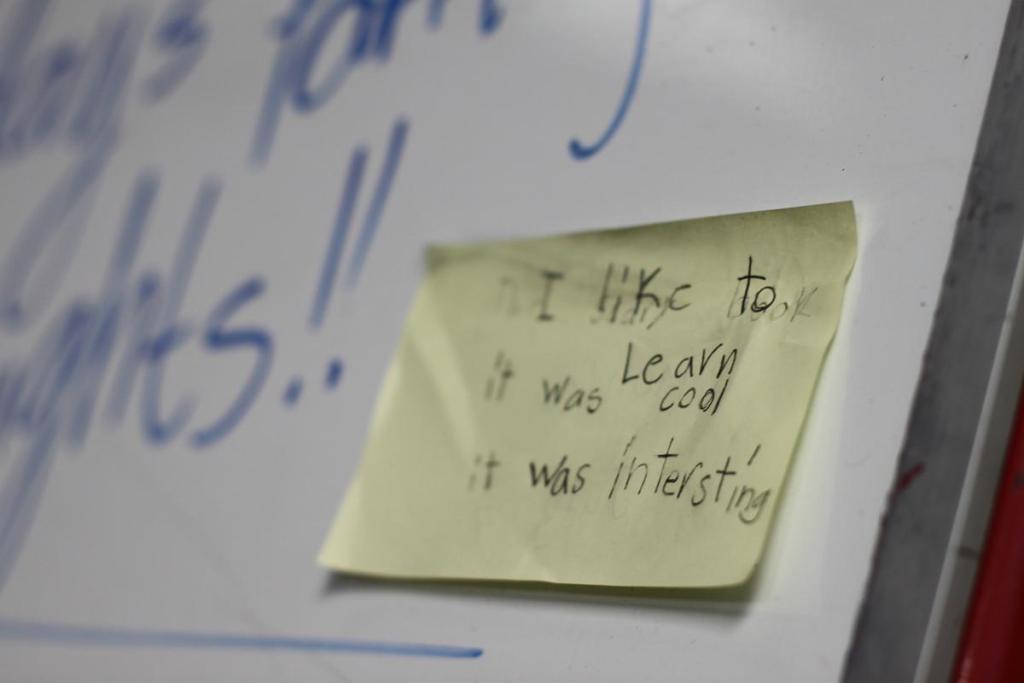
More take-home work across TPS may be on the horizon after summer’s end. The district is “not going to question” the benefits or downsides of homework any more, Johnson said.
“Now we are going to work closely with our schools so that it’s understood that materials will go home throughout the entire year and the summer,” she said. “It’s time that we just send things home to actually ensure that our parents know that education matters, it’s important.”
Locked in on literacy
TPS stationed nine classroom teachers, a special education teacher, a paraprofessional and a reading interventionist at five elementary sites: Celia Clinton, Eugene Field, Kendall-Whittier, Marshall and Skelly. Two are hosting dyslexia interventionists currently in a pilot certification program for academic language therapists, Kane said.
Students who tested below the 25th percentile in English Language Arts or math are prioritized for enrollment — along with their siblings. This year, upcoming fourth and fifth graders can attend too.
The focus is on incoming third graders after the state legislature’s revisions to the Strong Readers Act put mandatory retention back on the table next year. In 2025, 62% of TPS third graders scored below basic on state English Language Arts assessments — the threshold set to require students to repeat the grade.
“We really want to work on mitigating gaps as the new Strong Readers Act is coming into play,” Kane said. “Anticipating third grade retention, we want to do as much as possible to get ahead of that.”
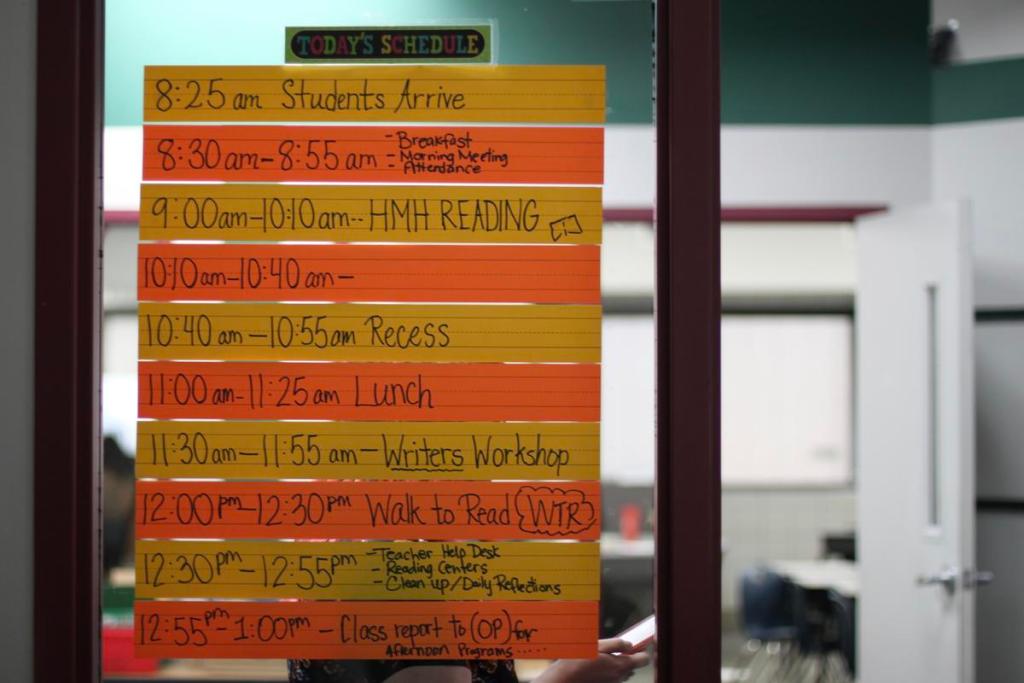
Each day starts with an immersive literacy experience, Kane said, with grade-level instruction and small group work. In the afternoons, summer sites blend academics and fun — arts, STEM and field trips — with the district’s community partners for expanded learning.
“That gets kids excited to come back each and every day,” said Drew Druzynski, program manager of expanded learning at TPS. “We’re really going to support your kids, but we are also offering them fun things to do during the summer.”
At Kendall-Whitter’s second day of summer school, students belted out “You are My Sunshine” with an American Song Archives band and considered what a happy dog looks like in a safety lesson from Tulsa SPCA.

Supporting middle schoolers — and their teachers
For the 800 middle school summer pupils, skills are combined with real-world examples — especially in math. Students are exploring how to plot plant growth data for a community garden or how to calculate the fencing costs for a small business.
All sixth through eighth grade students who failed a reading or math course are required to attend summer learning, where classes are taught by early career teachers.
Only 38.9% of the district’s middle schoolers are projected to test basic or above on state testing this year, according to data shared at a June board meeting.
Transitioning into and out of middle school is difficult, said April Smith, the district’s executive director of secondary level teaching and learning. Students need more stamina for reading and a new schedule of changing classes, among other shifts.
“Sometimes folks forget, middle school can be an awkward development time, a kid in middle school has a lot going on,” Smith said. “They’re in these transition years, and then all of a sudden their content got heavier, and that’s just the nature of schooling.”
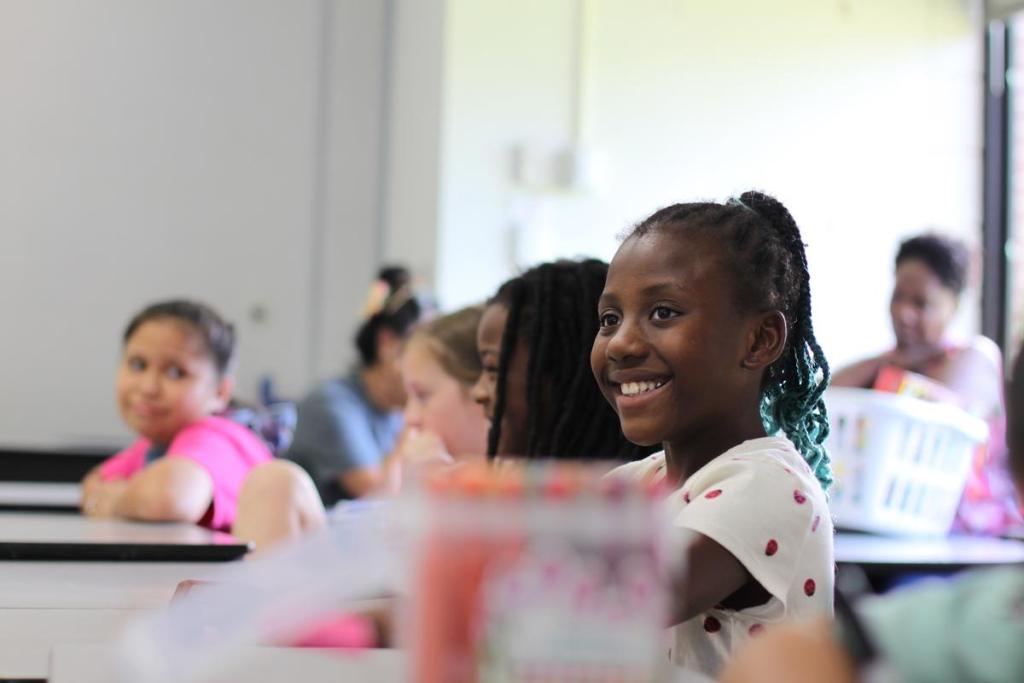
This spring, the district started hearing teachers needed more support with those students. Summer school seemed the right place to try out new training, Smith said, for early career educators on how to use student-centered instruction in the classroom.
Now, sixth to eighth grade summer students are focusing on peer-to-peer discussion, close reading with partners, hands-on modeling and group work. It’s all about building confidence with risk-taking, Smith said.
“Kids are willing to sit and have conversations about, ‘I really struggled with this,’” she said. “That is the indicator that we built confidence, because they’re taking the risk of naming something they struggled with out loud in their peer group.”
Teachers have shared positive feedback so far, Smith said, and TPS hopes to replicate the training in back-to-school professional development sessions, tailored at a site-by-site level.
While the district hopes to see its summer efforts play out in academic gains next year, the impact of summer learning is usually found in fewer skills lost over the break and an improvement in attendance come fall, Kane said.
“There’s always that transition back to school that is challenging,” Kane said. “And so for a group of kids, there’s still going to have some summertime off, but it keeps them engaged a little bit longer.”
News decisions at the Tulsa Flyer are made independently of our board members and financial supporters. Read more about our editorial independence policy here.
