


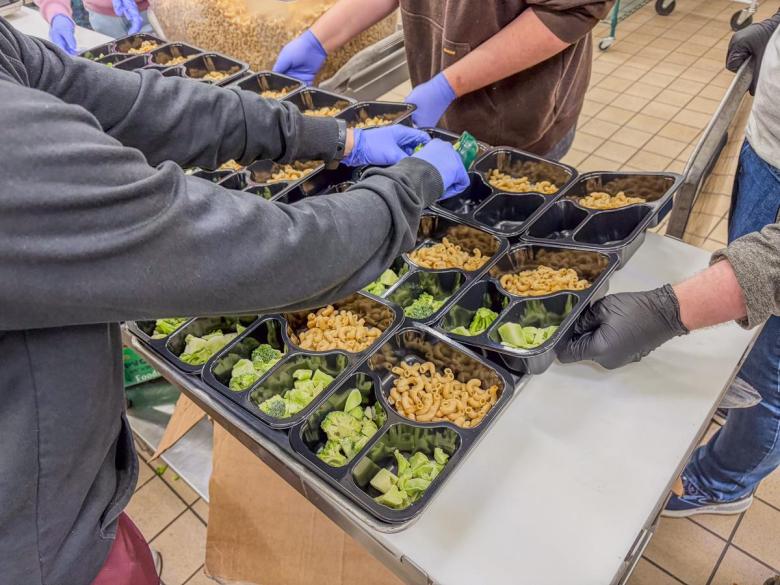
During the summer months when children are out of school, food insecurity tends to see a spike. This year, the Food Bank of Eastern Oklahoma is also feeling the squeeze.
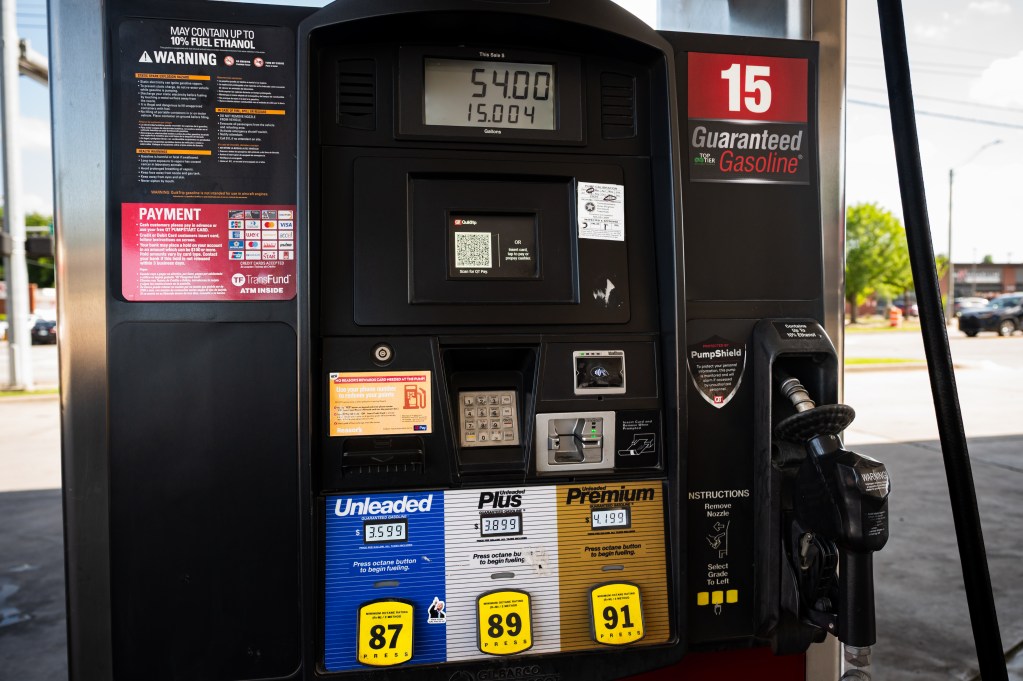
The food bank’s fuel bills have nearly doubled since the war in Iran began earlier this year, driving up oil prices. Right now, the nonprofit is spending about $24,000 to $26,000 a month on diesel — up from about $12,000 to $14,000 typically spent in summer months, said CEO Jeff Marlow.
“When you put it in perspective of: $1 (equates) to four meals — that’s the value that our organization brings — that difference in the fuel costs is taking away a lot of meals,” Marlow said.
Around 60% of students rely on free or reduced meals during the school year, according to the food bank. These higher gas prices come as the food bank aims to feed more children than ever through their summer meals program.
The food bank hopes to provide 750,000 meals across the 24 counties they serve over the next 90 days — a new record. They passed out half a million last year.
On weekdays at various sites around Oklahoma, children younger than 18 can get a free meal and snack. You can find a full list here. There will also be some “Grab and Go” locations for people to take meals off-site. Rural families can get a meal box with food for the week.

“They need to have fun, enjoy the summer breaks and not have to worry and stress and cause anxiety about where their next meal is going to come from,” Marlow said. “We hope that we can take that barrier away and then allow kids to just be kids.”
Meals are made at the food bank’s culinary center, before being shipped off on fleet trucks to community partners. Marlow says they’ve had to get creative with planning each delivery stop, mapping out routes that kill two birds with one stone in efforts to reduce fuel costs.
Marlow says the food bank is having to hold off on capital expenses and fixing operational things until later. Higher fuel costs have caused some stress, but he says they’re adapting.
“Right now we are able to sustain and continue our normal operation of distribution of food,” Marlow said. “But if this continues, long term, 100% we would have to look at taking things. You can’t keep pushing things to the side and not worrying about it.”

News decisions at the Tulsa Flyer are made independently of our board members and financial supporters. Read more about our editorial independence policy here.