



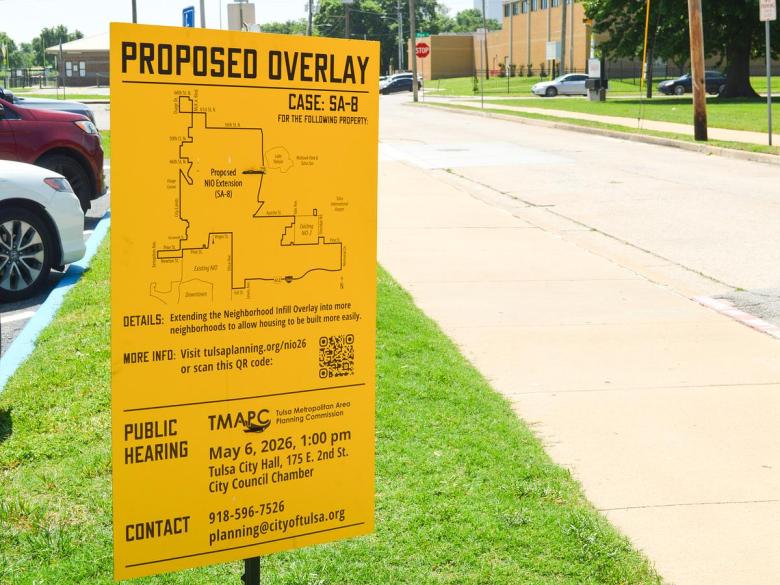
Tulsa wants to make it easier to build affordable housing in Districts 1 and 3 — which includes north and northwest parts of the city — by expanding the boundaries of its infill housing overlay.
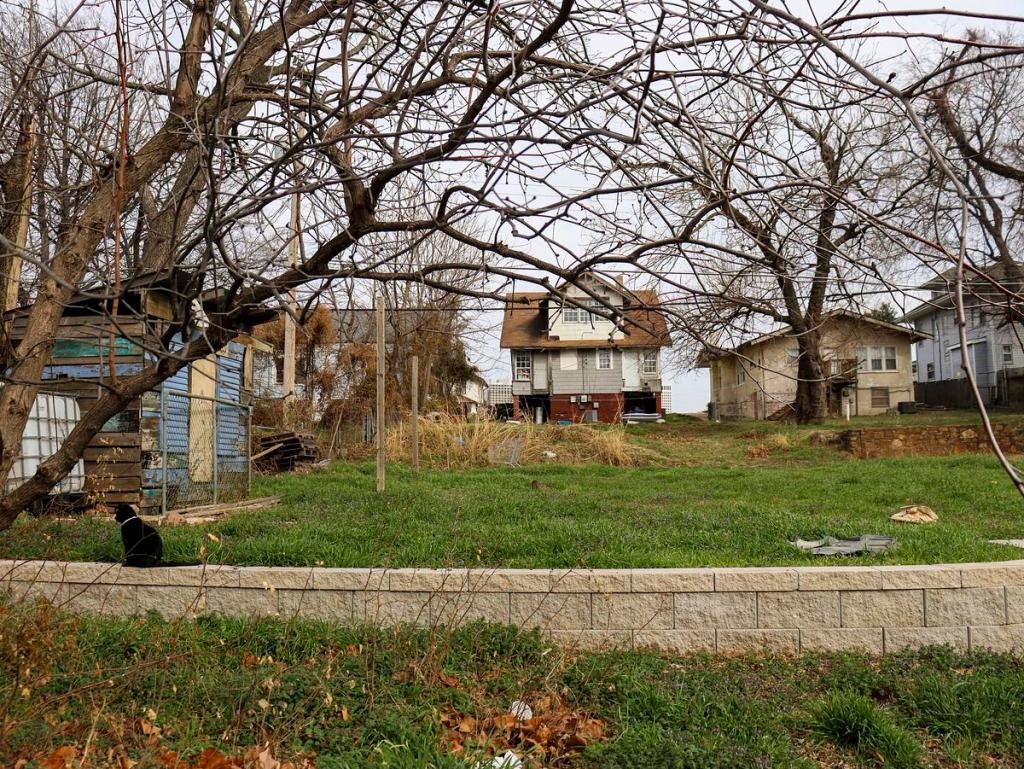
Infill housing lets developers build on vacant lots in already established neighborhoods. The goal is to utilize land that can become a community eyesore.
A public hearing is expected May 6 as the city’s planning commission considers expanding the boundaries of the overlay plan.
This expansion is the second phase of the zoning changes Tulsa City Council adopted in 2021 following the publication of the downtown Tulsa housing demand study.
“One of the recommendations of that downtown housing strategy was making an adjustment to our existing zoning regulations to actually allow more housing types to be built,” said Nathan Foster, principal planner for the city’s planning office. He said they came up with the special area overlay tool after an internal audit.
What is infill housing?
Infill housing construction can include:
- Allowing homeowners to build an accessory dwelling unit on their existing property. These are typically used to house elderly or otherwise dependent family members. ADUs can also be used as rental properties.
- Making it easier for developers to build townhomes and duplexes on existing vacant lots. Tulsa’s proposal allows up to six units on a lot.
Some cities, like Chicago, are already using the strategy to develop housing. Foster said Tulsans can look at neighborhoods like Swan Lake and The Heights to see where infill housing has been successful locally.
Although he did not have exact figures, Foster said the city has seen “an uptick in duplex development” since adopting the initial proposal in 2021.
What neighborhoods are included in this expansion?
The 2021 plan primarily targeted residential areas surrounding downtown like Crosbie Heights, The Pearl District and Greenwood. It excluded three neighborhoods — Tracy Park, Owen Park and the Buena Vista community — that each protested their inclusion in the overlay, Foster said.
This year, the city wants to expand the boundaries of the overlay further north. Both District 1 City Councilor Vanessa Hall-Harper and District 3 City Councilor Jackie Dutton held their own community meetings to discuss the proposal with their constituents.
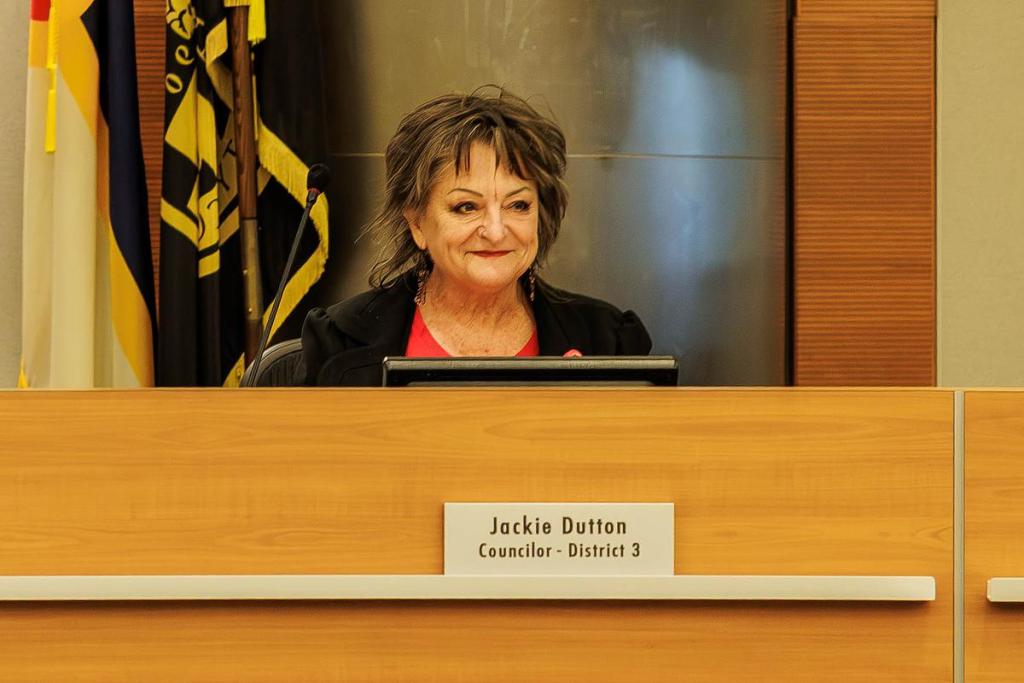
Dutton told The Eagle she supports the measure because it would make it easier to redevelop vacant lots and bring more affordable housing units to her district.
“If you could have an accessory dwelling unit in your home and you have a good friend that wants to rent that, I don’t think that’s a bad thing. There’s all kinds of benefits for it,” she said.
Still, Dutton acknowledged she’s gotten “a lot of pushback” from some people in her district, particularly 10-15 homeowners in the Sequoyah neighborhood who “don’t feel that they’ve had enough information on how this could actually benefit the district.”
But she believes that is the exact type of community that could benefit from the Neighborhood Infill Overlay (NIO) expansion. In 2023, Tulsa allocated $1.5 million in Improve Our Tulsa funding toward neighborhood revitalization projects like playground, park and lighting upgrades in the Sequoyah neighborhood.
How to share your feedback with the city
Ahead of the planning commission’s vote, residents can share their feedback about the proposal by emailing planning@cityoftulsa.org or calling 918-596-7526.
You can also attend the May 6 public hearing and share comments with the commission. The meeting starts at 1 p.m. in council chambers at City Hall.
“This still has to be voted on. It still has to be taken through public hearings both with the planning commission as well as with the city council,” Foster said. “So we encourage them to participate in the process, submit their comments formally to our office so we can ensure that the decision makers — when they actually review and assess this proposal — are doing so with all that information in hand.”
You can search on the city’s website to see if your property is included in the existing overlay boundaries or would be included in the expansion.
All property owners within the proposed expansion boundaries should have received notice from the city, Foster said.
“I don’t think that we’ll ever convince everyone that it’s a great idea,” he told The Eagle. “But we do our best to inform and tell people what we believe the benefits to a project like this are, how it might benefit them directly if they’re a property owner within the boundary.”
As for Dutton, she said she understands some homeowners’ fears and anxieties. But the benefit of creating new avenues to develop affordable housing outweighs the trepidation.
“I don’t find reasoning that equates to not developing,” she said. “People have to have somewhere to live that’s affordable.”
