


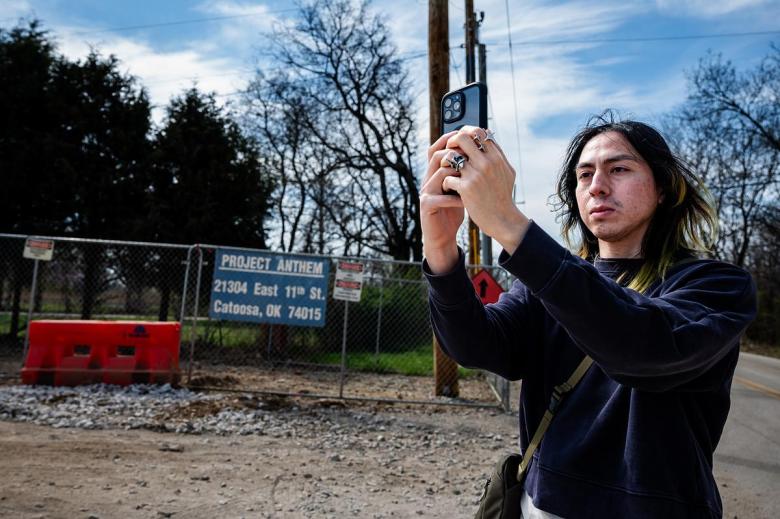
Cheyenna Morgan lives about three miles away from where Project Anthem, a 375-acre data center, is set to be built in east Tulsa. Morgan is concerned about the impact the massive project will have on the land, resources, energy and the aesthetics of her east Tulsa community.
Although Tulsa City Council voted Wednesday to impose a nine-month moratorium on development of new data centers in Tulsa, Project Anthem is exempt from the pause since it is already underway.
For Morgan, it’s important to speak up when they see something wrong — and Morgan feels things are amiss when it comes to Project Anthem. Two concerns center around the potential that the center will overuse city water and cause pollution.
Morgan and other east Tulsans also raise questions about transparency around the developer and possible utility increases for residents. PartnerTulsa, the city’s economic development arm, has not yet revealed who is behind the project.
“I am an Indigenous person, my great-grandma raised me to have a sense of caring for others and caring for the community,” Morgan, who uses both she and they pronouns, told the Flyer. “First and foremost, I have a responsibility to not only my kid and myself, but the future generations that will come after me.”
As the latest hyperscale data center project proposed in Tulsa, Project Anthem has become a focal point for a broader discussion about development in the Fair Oaks community. The campus is slated for 21304 E. 11th St., where signs for the project are already posted.
The first phase of Project Anthem has already made its way through City Hall, but a key vote to expand the project to hundreds more acres is coming up.
As it moves forward, some key details about the project remain unclear, with both the project developer and its end user still unknown. Some city officials, including Councilor Christian Bengel, have signed non-disclosure agreements with the developers behind Project Anthem as it works through its early proposal stages.
However, the Flyer was able to obtain memos in February showing City Hall staff discussing Project Anthem requests to change the city’s noise and nuisance ordinance. Staff ultimately denied those requests.
Bengel, who represents parts of east Tulsa, supported the nine-month moratorium but still is not fully against bringing data center facilities to the city. He acknowledges public concerns about the centers, particularly during the construction phases.
Bengel wants more clarity on what occurs during the construction process and how it will work with city code.
“There is still nobody who is an expert in it, right?” Bengel said in an interview with the Flyer last month. “And what I wanted to do, when they were talking about potentially creating an ordinance about data centers and the noise they were producing, and gave a specific decibel level — I said, ‘I don’t even know what that means.’”
East Tulsans seek answers on impact
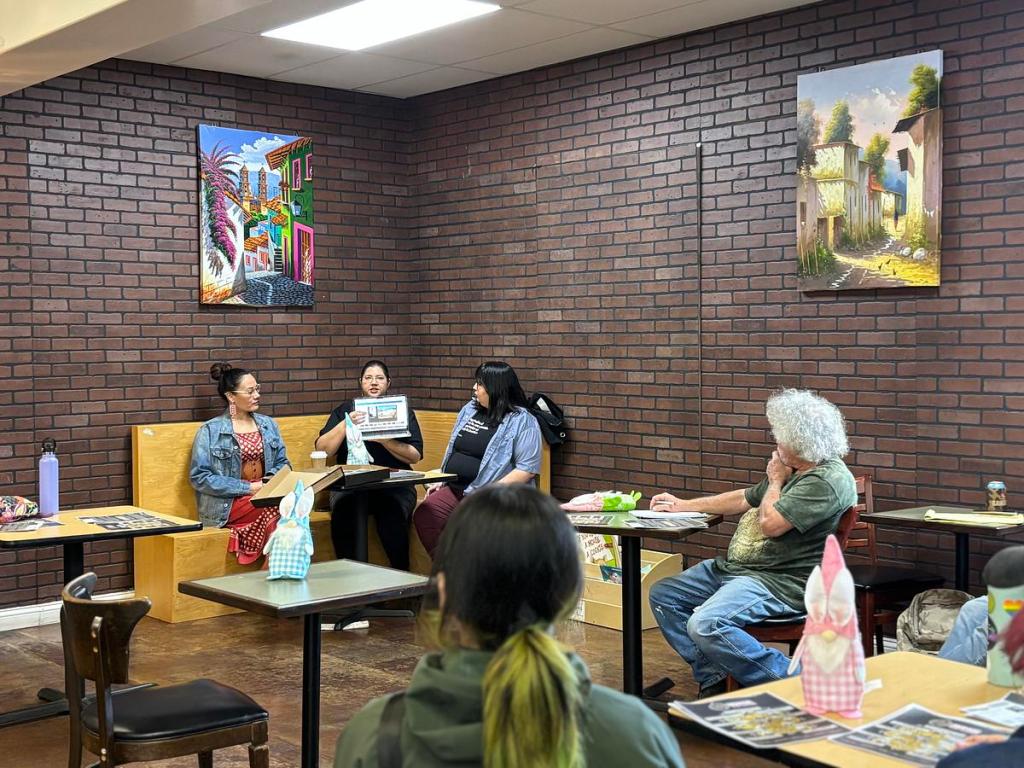
Residents are voicing differing views on how east Tulsa should expand — and who will be affected in the process. Morgan’s interest in stopping data centers from coming to Tulsa inspired them and two other local activists to host town halls across the city.
Morgan, a citizen of the United Keetoowah Band of Cherokees, also joined an environmental justice organization to fight against the proposals.
She has lived in the Rolling Hills neighborhood with her son since 2018. Rolling Hills is a community filled with older houses built in the ‘60s and ‘70s, Morgan said. As part of their outreach, they’ve spoken to neighbors across Rolling Hills.
“There’s a lot of concerns about how that will impact them,” they said. “There are also people that will be living directly next to the facility that have major concerns about how that will impact their lives.”
Joseph Bañuelos grew up in east Tulsa. He attended one of Morgan’s workshops in early March.
Bañuelos wants his neighbors to know that despite east Tulsa being primarily Hispanic and vulnerable amid changing political tides, there are still ways to protect each other.

“A data center and things of that nature are very harmful to our community in ways that don’t enrich us,” he said. “There’s no benefit. There’s no perk. There’s no pro.”
Community organizer Linda Allegro said Project Anthem is happening right in their backyard on the east side.
“I think some of our Latino leaders are on board with the data centers, and you know what, we need to call it out,” Allegro said. “We need to hold people accountable because a lot of people are suffering.”
Buchanan Dowling, a local electrical engineer, said an expansion of Project Anthem would cause more confusion in the east Tulsa community. Everyone already knows that parts of it have been approved, he said.
“My big concern is an expansion of that data center,” Dowling said. “Those handful people who live by that, it is going to be hell, excuse my language. There are going to be loud noises, there are going to be generators. It is just not going to be fun.”
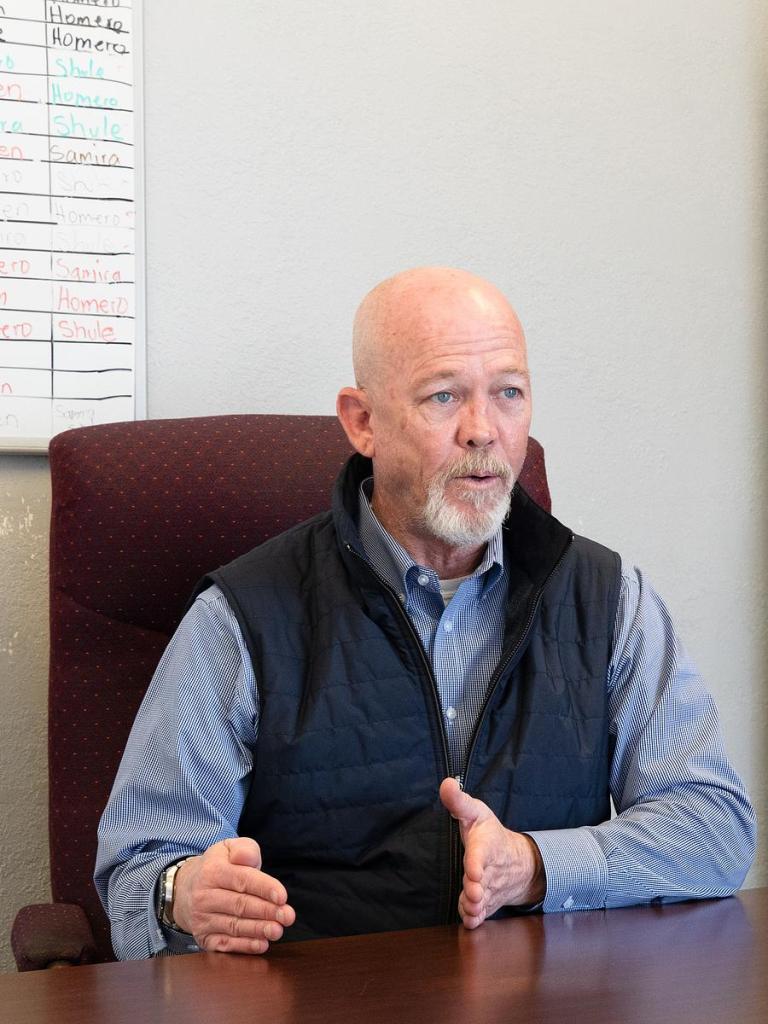
While Project Anthem has its detractors, Bengel said he wants to make sure city officials are not having “knee-jerk reactions” to data centers.
“We need to have deliberate discussions about what this looks like and remove emotion from it, right, and talk about facts,” Bengel said last month after a council committee meeting discussing zoning code and data centers.
What’s next?
Discussion around Project Anthem has been complicated by a proposal by developers to rezone an additional 375 acres of land to build another facility in Fair Oaks which would increase the developer’s data center infrastructure.
On March 18, the Tulsa Metropolitan Area Planning Commission voted to recommend a delay on the rezoning decision from agricultural to industrial. That hearing is now set for April 1 at City Hall — where residents will have a chance to weigh in before the expansion proposal heads to City Council.
This article was produced as part of a partnership between the Tulsa Flyer and La Semana, a Tulsa-based bilingual Spanish-English newspaper serving Latino communities in Oklahoma.
News decisions at the Tulsa Flyer are made independently of our board members and financial supporters. Read more about our editorial independence policy here.
