


A Tulsa-based nonprofit is suing a Sand Springs property owner over a land deal connected to a controversial data center proposal that has earned national headlines.
Conservation organization Land Legacy alleged Monday that Alan Ringle and his family’s recent deal allowing for annexation of land for Project Spring violated an agreement that allowed the family to receive a $3.8 million federal tax writeoff.
Michael Patton, executive director of the conservation organization Land Legacy, told the Tulsa Flyer that his group and the Ringle family signed a conservation easement deed in 2013. An easement is a legal land agreement that allows an individual or company to use part of a person’s land for a designated purpose while that person still owns that property.
In May 2025, the Ringle family petitioned the City of Sand Springs to annex their Osage County property for industrial use. They did not notify Land Legacy of the request, which was approved later that year, according to the filing.
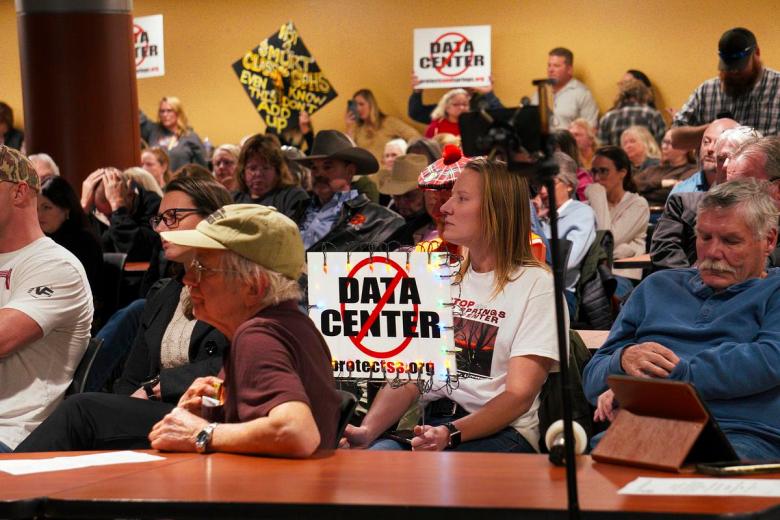
Developer White Rose Partners is now proposing to construct Project Spring on that land. The proposal, which is backed by Google, attracted outspoken opposition across several public meetings before it was ultimately approved by Sand Springs City Council in February.
But Patton said Ringle “signed his rights away to build” on the land when he signed the 2013 deal.
“All they (Ringle family) could do (under the agreement) is ranching or farming or residential — nothing else,” Patton told the Flyer. “And they just lied about it, we never heard about it. Sand Springs should have contacted us months ago before the annexation.”
He argues that the family should have contacted Land Legacy before the rezoning process began.
In a press release, Land Legacy said the legal issue was “compounded by the elected and appointed officials and the staff of the City of Sand Springs who failed to do a simple title search to find the easement.”
Patton, local advocates and Sand Springs residents who weren’t included in the annexation process by Sand Springs say both the Ringle family and city officials are at fault. The Land Legacy lawsuit is joining existing legal challenges by the opposition group Protect Sand Sand Springs Alliance.
Alan Ringle could not be reached for comment. The Sand Springs Planning Commission declined to comment due to pending litigation. All members of the Sand Springs City Council and Mayor Jim Spoon were contacted by phone and email for comment. None of the officials responded.
Rezoning deal is done, but opposition remains
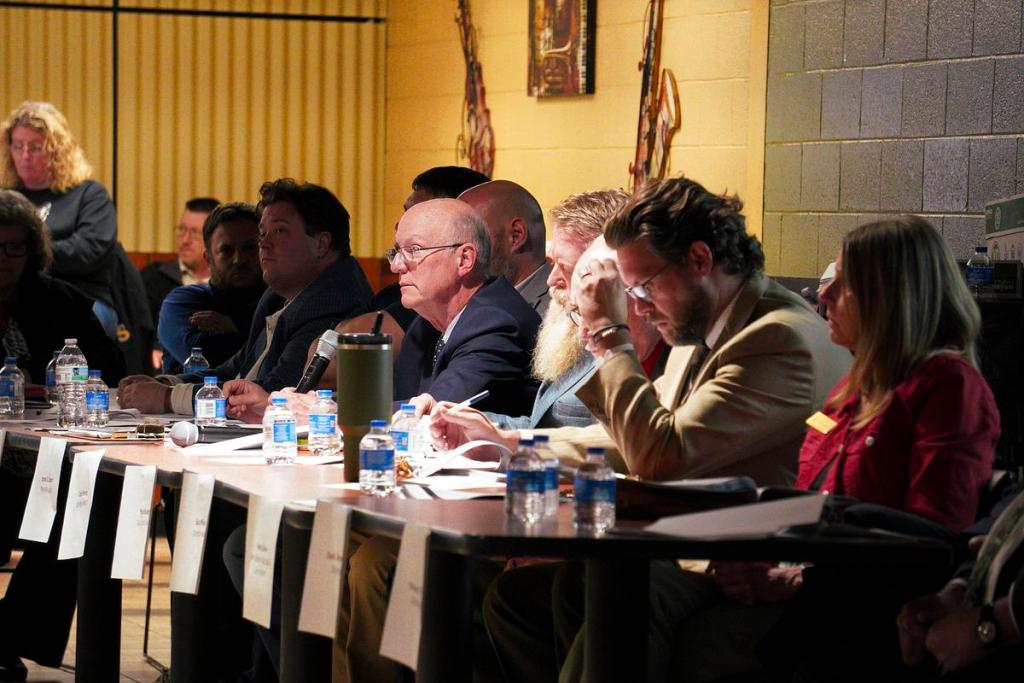
In February, Sand Springs City Council voted 6-1 to rezone 827 acres for the facility to be located on the Ringle property. Construction is expected to begin around 2027.
The decision came amidst strong opposition from residents who said the center would negatively impact agricultural land and cause noise disruptions to nearby residents.
Residents who live outside of Sand Springs city limits also complained that they were excluded from discussions about land annexation where the center would be located.
Sand Springs councilors held several meetings on the issue, attracting an average of 300 or more attendees. Many were detractors of the center, while a small number were supporters or advocates.
Osage County District 2 Commissioner Steve Talburt told the Flyer that Google representatives attended a county commission meeting about what it would take to get their support for a tax increment financing district. A tax increment financing district allows local governments to collect property tax revenue over a certain period of time and use it for infrastructure improvements in a specific area.
Talburt said he and others responded they were not voting on anything.
“I let them know I was not for it and it was not right for them to put that data center in the middle of a bunch of ranch land on people that do not have a vote,” Talburt said. “They don’t have a vote because of the city limits and they are going to be the ones that have to live with the data center.”

‘The fruit’s rotten’
Kyle Schmidt, president of the board of directors for Protect Sand Springs Alliance, said he has been leading a petition to recall the elected officials involved in the vote for Project Spring.
He was a part of the early legal effort to bring to fight the dealings between the Ringle family and city officials. Schmidt views it as a representation of backdoor deals between the city and the Ringles.
“If someone comes to the city and asked to have their land annexed, supposedly the city went through a legal review process with a legal attorney to make sure it was legal for them to even do it, and it wasn’t, which makes me question what kind of legal review even occurred,” Schmidt said.
“It is just a part of due diligence and they have a responsibility to the citizens as the elected officials,” he added. “A simple title search on county land records is about the easiest possible thing you can do.”
Brian Ingram, an Osage County resident living outside of Sand Springs city limits, has been a vocal advocate against the facility and the actions the city took to approve it. He believes the recent Land Legacy filing legitimatizes his and others’ concerns.
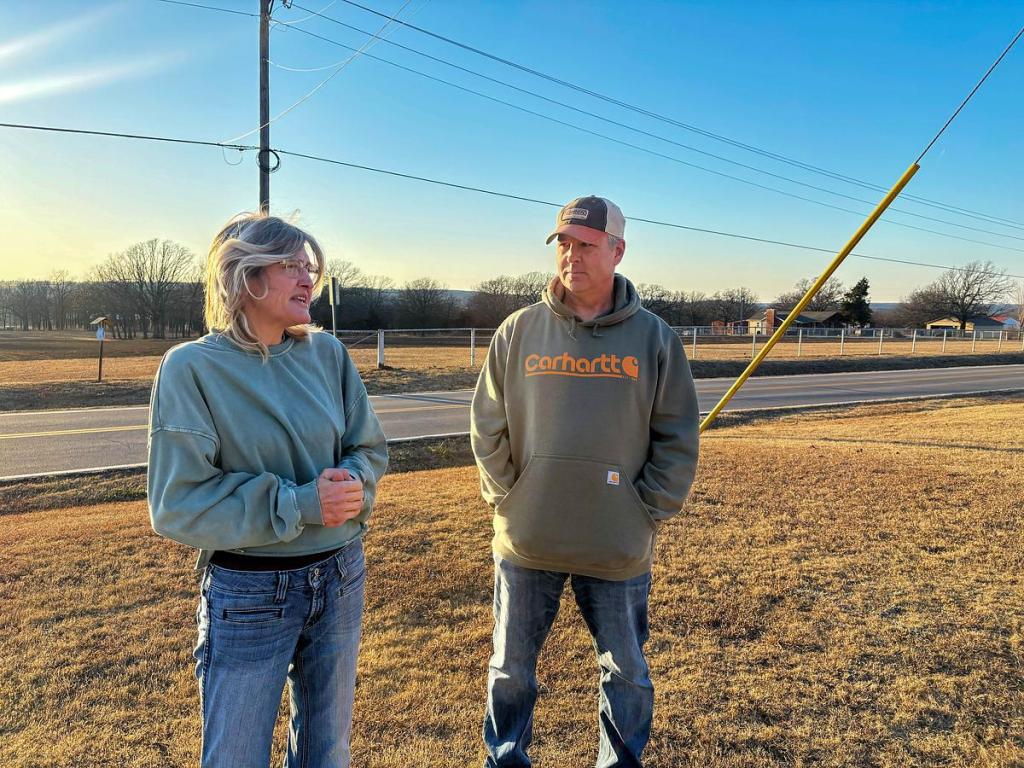
“It brings to light what we have been saying and what kind of people we are dealing with, really,” said Ingram, who has joined the recall effort. “I hate to say that, I hate to be judgmental against people. But I am examining and the fruit’s rotten.”
Patton doesn’t expect the lawsuit to lead to an injunction to keep Project Spring from moving forward. He does believe Google and the City of Sand Springs should explore legal action against the Ringle family, although he alluded to the city having a level of negligence in not checking out the land deal.
“I think it is going to force the city to go back and review their meetings and have new zoning meetings, which will be attended by even more people this time,” Patton said.
“I’m not against data centers,” he added. “But at Land Legacy, we care about the land and what we do is find pristine land around Oklahoma and we try to protect it.”
News decisions at the Tulsa Flyer are made independently of our board members and financial supporters. Read more about our editorial independence policy here.
