


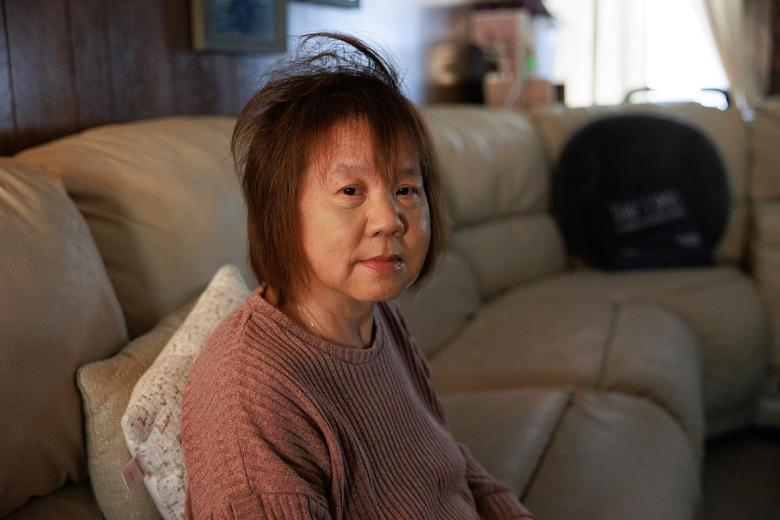
Bea Thao doesn’t recall much about her life before arriving in America, but she knew in mere seconds that it would never be the same.
It was cold that November in 1976 when her family of 10 arrived in Tulsa from Laos. There were “no leaves, no nothing, just cold,” she says. In fourth grade at the time, she guessed it would last all year long.
“You don’t know, you have to wait and see the weather change,” Thao remembers her father saying. “And everything changed. Yeah, I like it.”
Thao became one of Tulsa’s first Hmong immigrants 50 years ago, thanks to a sponsorship by the First Lutheran Church at 13th and Utica. Many have come and gone since then, but Hmong Tulsans number in the thousands now.
As the community has grown, so have generational differences. Younger Hmongs continue to grapple with their family’s sacrifice and assimilation into American culture as they decide how much tradition they want to hold onto — and what to leave behind.
Origin stories
Thao’s journey to America mirrors that of other Hmongs. It dates back to the Vietnam War, when the U.S. Central Intelligence Agency recruited Hmong people to help soldiers navigate the jungles in Laos. Hmong people were known for their farming skills in mountainous regions of China, Vietnam, Laos and Thailand, taking credit as the first to cultivate rice in mainland China.
When the U.S. pulled out of the Vietnam War, Hmong people were left behind in Laos, where they had just rebelled against the country. They faced persecution once again. Even though Thao’s father didn’t serve on the war’s frontlines, her uncle was missing in action.
Some Hmong people tried to cross the Mekong River to safety in Thailand but died doing so. Those who did survive found sponsorship to America on the other side, primarily by Lutheran churches. Many went to California, Wisconsin and Minnesota — and Thao’s family was one of three that landed in Tulsa.
Thao feels lucky. Many churches declined to sponsor large families like hers.
“They only choose a small family so we are lucky enough they sponsored our big family,” she said.
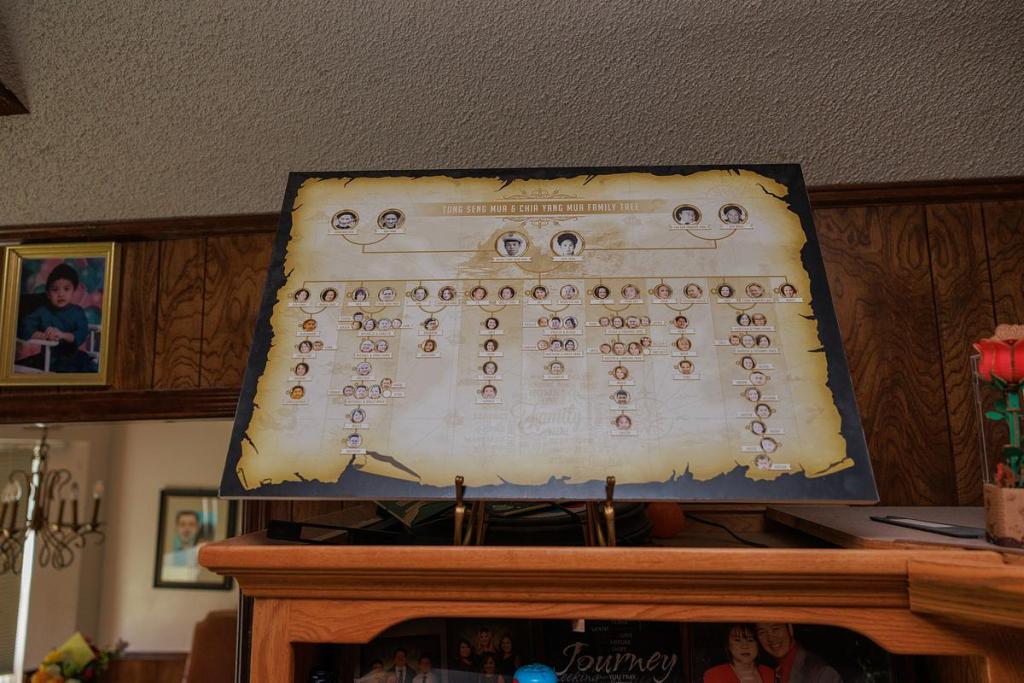
First Lutheran Church rented a home for Thao’s family and provided a job for her father at Pepsi-Cola. She started fourth grade at Abraham Lincoln Elementary School and then Woodrow Wilson later, where she was told she’d have to learn English.
In 1986, she graduated from Nathan Hale High School. She began assembly work after school and continued until she was recently laid off.
Tulsa wasn’t growing as much back then, but the city now boasts Hmong-owned grocery stores and restaurants. Thao has three sons and three daughters, and she says her grandkids “talk American, not our language.”
“I think, yeah, it’ll be good in the future,” Thao said. “My family is a big family, but we have to learn as we go, like school and work part-time, to keep the family going.”
A younger generation
Sultana Xiong, a Tulsa-based Hmong social media influencer, recalls her father’s orphan stories about eating scraps and chicken bones in Laos. When she’d fight with her siblings, he’d tell them they should be thankful because he had to survive like an animal.
For her own kids, Xiong tries to talk about sacrifice in a gentler way. This is a new generation, she said, and she doesn’t want to continue patterns of trauma from her childhood.
“As we were learning, they were also learning,” Xiong said.
Xiong moved to Collinsville in 2009, before more Hmong families began arriving in Tulsa. The town is about a half-hour drive from the city, but may as well have been a different universe. She could count on one hand the number of Asian people in her classes. Other kids would mock her language or ask if she ate dogs. Xiong would often feel angry, wondering why her parents would move to a place where people seemed to hate them.
She thinks Tulsa grew as an epicenter for Hmong people after the state legalized medical marijuana. Many in the community wanted to go back to their farming roots and give it a try. As they grew in numbers, being Hmong started to feel cool to her.
“It’s something I can be proud of and showcase and educate people, like this is what my people are and this is what our community is,” Xiong said. “We have this organism of a community that’s surviving on its own.”
Femininity and faith
As the first generation of Hmong Americans aged, some started to feel like they were losing their culture. Anna Thao, Bea Thao’s daughter-in-law and a member of the Tulsa Asian Affairs Commission, remembers pressure to keep their language alive — but also to assimilate.
Another part of that disconnect is rooted in misogyny, Anna said. Hmong women were meant to be submissive and at men’s sides. The few Hmong women leaders she admired moved away due to pressures from the community, Anna says. That’s why she joined the commission, established in 2023 under then-Mayor G.T. Bynum.
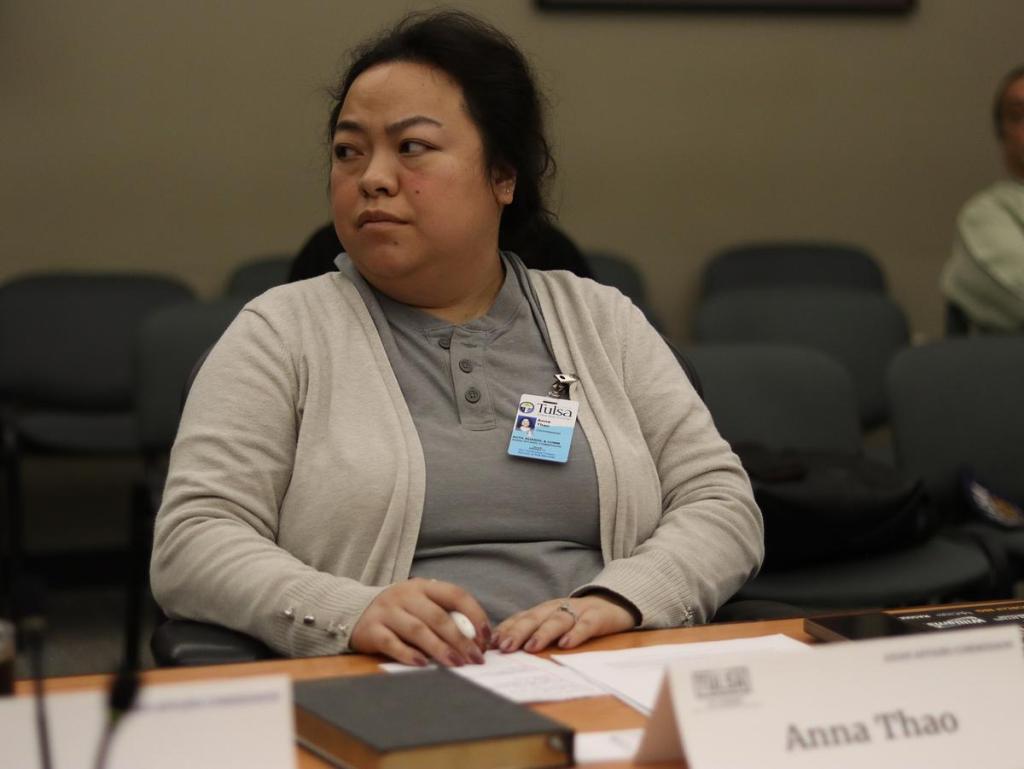
“We get to decide what we don’t want to keep and then what we want to keep moving forward,” Anna Thao said.
One such decision is faith. Tulsa’s Hmong community is fairly divided when it comes to religion, seemingly a choice between historic traditions and a new life.
Because the First Lutheran Church sponsored her, Bea Thao chose Christianity over the cultural practice of Hmong Shamanism. Anna Thao was raised a Shaman but converted to Christianity after marrying her husband.
A lot of people are really one or the other, according to Xiong. She was raised more traditionally in which your own home becomes a sacred place rather than a church building. Even though Anna Thao says she got the best of both worlds, she searches for a lifestyle where she can preserve Hmong history while also charting her own path as a woman.
Where to next
Each year in October, thousands of Hmong people nationwide travel to rural Oklahoma for the Hmong New Year celebration. It’s the largest unifying event for all Hmong Oklahomans to look forward to, says Shinee Vang, who served as the 2025 New Year Chair for the Tulsa-based Hmong American Association of Oklahoma.
Vang’s parents also fled Laos to America under Lutheran sponsorship. She grew up Christian, but her dad was a Shaman, which meant her home blended two worlds. She could be a bold woman and also speak the mother tongue in her traditional, Hmong-style home.
From Wisconsin to Ohio and now Oklahoma, Vang has always felt connected to the Hmong community. She officially joined the Hmong American Association of Oklahoma in 2023, three years after moving to Tulsa.
“Everybody brings their experiences that they’ve had in those states, and then we all come and blend it here and rebuild here,” said Vang.
Nearly 50 years since its establishment in 1979, the association offers classes for traditional dance and other cultural activities, including funeral services. The flagship event is the New Year celebration. There are only 18 names in Hmong culture. Vang hoped they could unify them all with their festival.
There are also local gathering spaces for Hmong people. Hannah Hall in east Tulsa used to serve that role until it was sold, Xiong says. The space still hosts some Hmong cultural events. Xiong says she’d like to see a new space dedicated to that purpose, but suspects people will resort to gathering in their homes again.
“I would like more people to know that our community is integrated in Tulsa,” Xiong said. “We are part of U.S. history, and we are here in your communities.”
News decisions at the Tulsa Flyer are made independently of our board members and financial supporters. Read more about our editorial independence policy here.
