


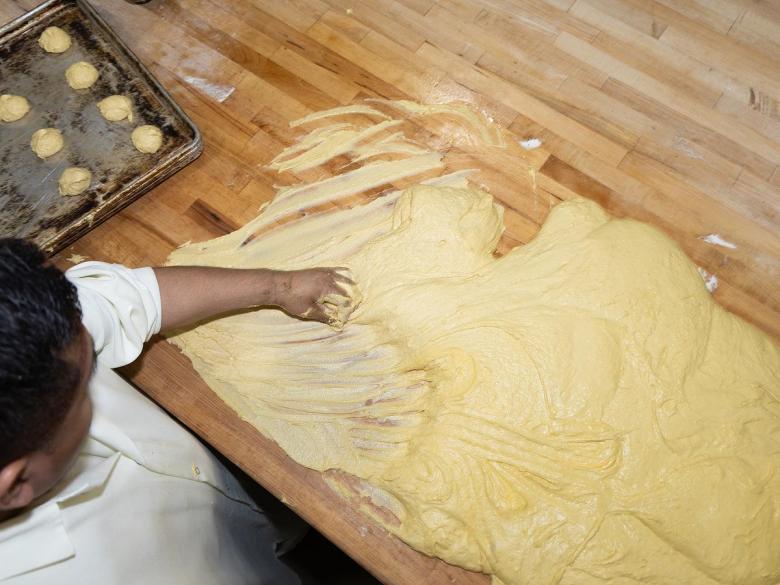
Six days a week, Cecilia Sandoval, 50, is the first one in the door. That’s 4 a.m., walking through a dark parking lot at Pancho Anaya’s bakery.
Sandoval grabs all the ingredients needed based on the day’s production list. She turns on the fermenter and gets the machines ready for when the rest of the crew trickles in around 5 a.m.
“There are long days where you enter at 4 a.m. and you don’t know what time you’re going home because of the amount of work we have, but it’s satisfying that people leave happy with our bread,” she said.
Sandoval is one of 85 employees across Pancho Anaya’s three locations and their manufacturing facility in Tulsa. Francisco Anaya brought the family business to Tulsa in 1999, but the first store opened in 1912 in Michoacán, Mexico. The Mexican bakery was the first in town to bring traditional bread, such as Rosca de Reyes and Pan de Muerto, to Tulsa.
The bakery world is increasingly dominated by machines. Sandoval and Pancho Anaya are trying to keep the traditions alive. She’s teaching seven employees how to bake with their hands and their brains.
“Everything is automated and so we’ve had a hard time actually finding bakers, you know, that know the art,” said Katia Anaya, Francisco’s daughter and the company’s HR manager. “So, that’s why we’ve started teaching. Most of these ladies have never worked in the bakery before.”
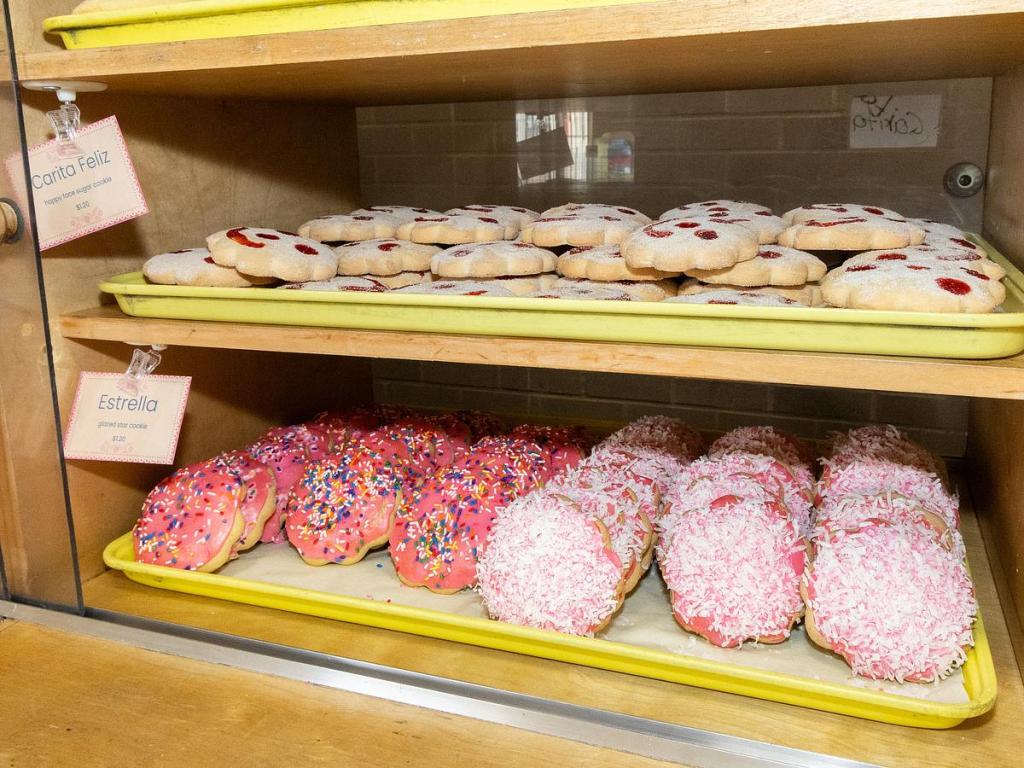
It takes someone with agile hands who is unafraid to get dirty to be a baker, she said.
“It’s a beautiful art and it’s being lost because a lot of things are bought made, so we’re glad to be able to bring it back and be able to teach more people the art of baking,” she said.
It takes a team
Pancho Anaya has become a staple in Tulsa’s Mexican culture with their pan dulce, and the family continues to grow the company through its manufacturing facility. The company sells bread to local restaurants, made kolaches for Buc-ee’s and produced telera bread for other cities.
The production area at the 40 S. Garnett Road location is lined with ingredients, such as eggs and flour, and machines ready to mix dough. Music blasts from a speaker nearby as the bakers egg-wash pastries and load up trays for the oven.
Sandoval has been with the company for nearly a quarter-century. She met the Anaya family over 20 years ago during an English as a Second Language class. Francisco Anaya offered her a job at the register, where she spent four years before becoming a baker.
During her time on register, she would often enter the production area and talk with the bakers.
“And being a chismosa (gossip) with them, well, that’s how I learned to be a baker,” Sandoval said.
She’s also a team player. During the recent winter storm, Sandoval picked up workers every morning in her Jeep. She does everything, Katia Anaya said.

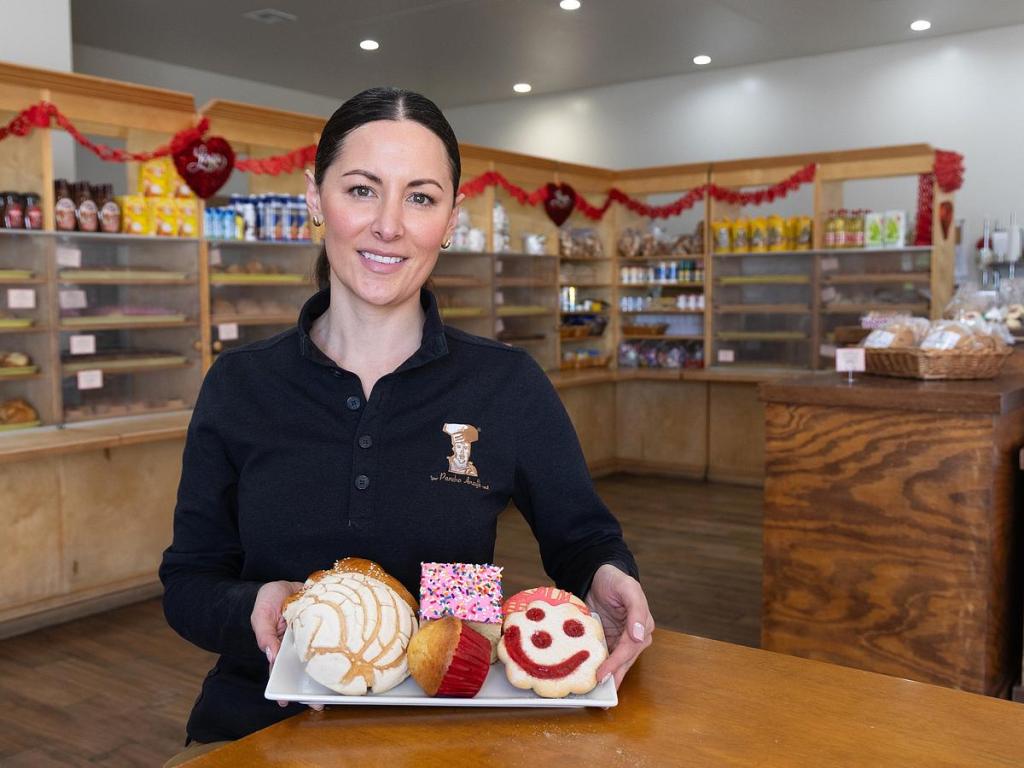
Pancho Anaya baker Cecilia Sandoval inside the bakery at 40 S. Garnett Road on Feb. 20, 2026. Credit: Tim Landes / Tulsa Flyer 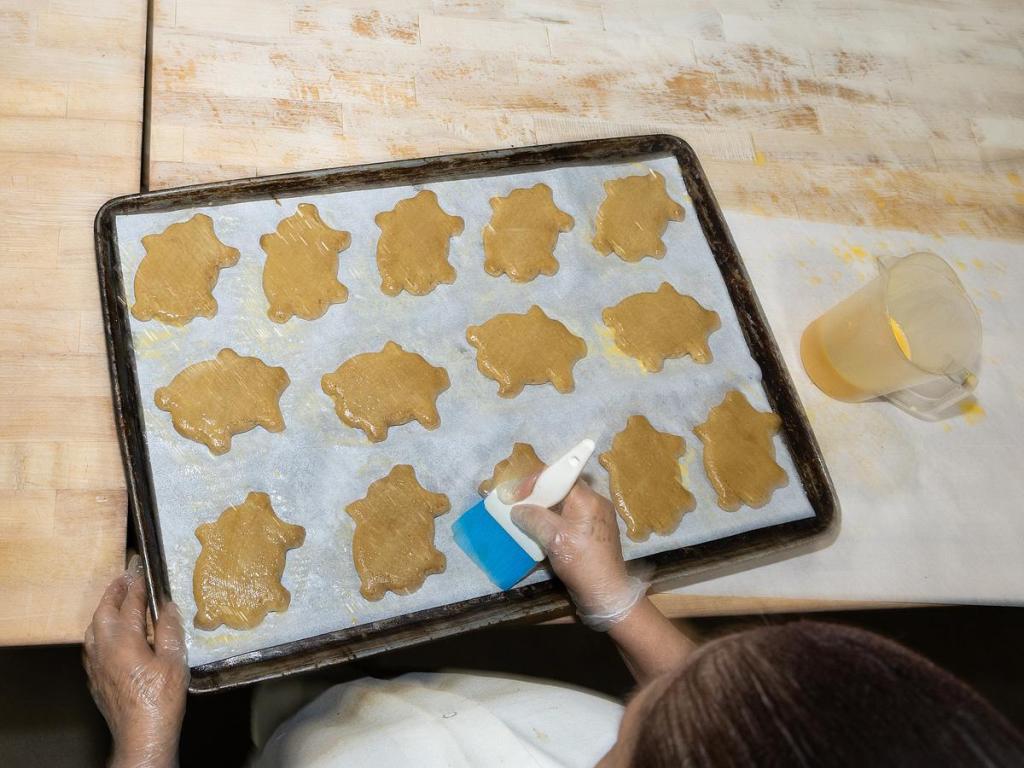
Cecilia Sandoval preps puerquitos before they go in the oven inside the Pancha Anaya bakery at 40 S. Garnett Road on Feb. 20, 2026. Credit: Tim Landes / Tulsa Flyer 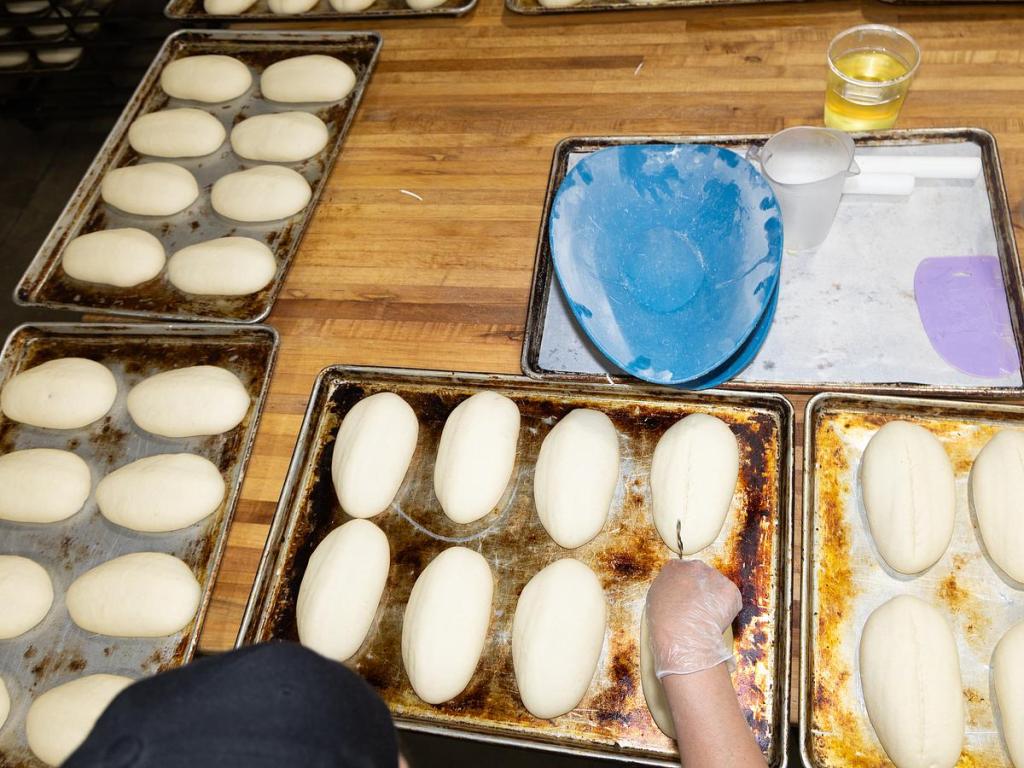
Goods are being made inside Pancho Anaya’s bakery at 40 S. Garnett Road on Feb. 20, 2026. Credit: Tim Landes / Tulsa Flyer 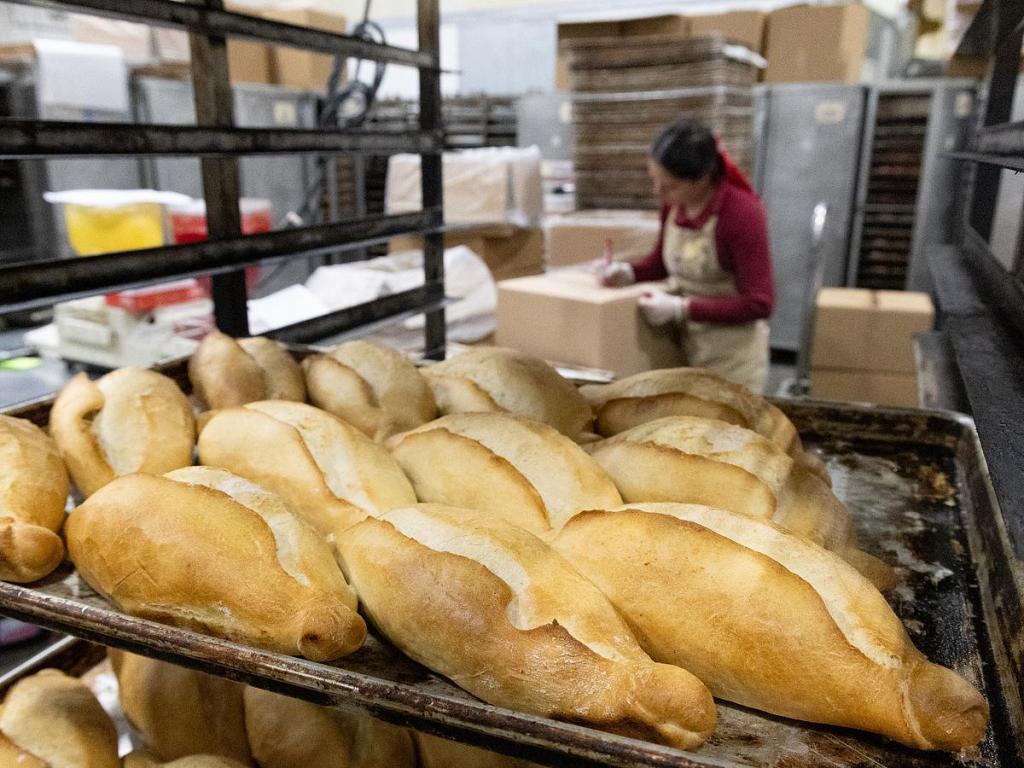
Goods are being made inside Pancho Anaya’s bakery at 40 S. Garnett Road on Feb. 20, 2026. Credit: Tim Landes / Tulsa Flyer
“Sometimes our production goes up even by 50% on a rainy or cold day, so weather really affects us,” she said. “So if it’s winter we’re selling like 50% more than what we usually would.”
It takes a team to keep the place running. Sometimes one baker may begin the process, while others will decorate the pastry before it’s placed on the shelf.
The company also gets calls for tours for students taking Spanish classes. Through the tours, staff share the history of the bakery as well as their culture and traditions.
“They make some things, get to practice their Spanish and they actually get really excited,” Katia Anaya said. “They love it.”
Celebrating Hispanic culture
Hector Carrera, 40, is often the one who teaches the kids. They line around his station where he walks them through the process.
Originally from Oaxaca, Mexico, he believes he’s one of the few people who came into the company already knowing how to be a baker. He even taught Sandoval when she first got started baking.
When he joined about two decades ago, Carerra remembers having to ask for the job three times because Francsico Anaya wasn’t convinced of his skills.
“I told him I could do it the same or even better and he laughed,” Carrera recalls.
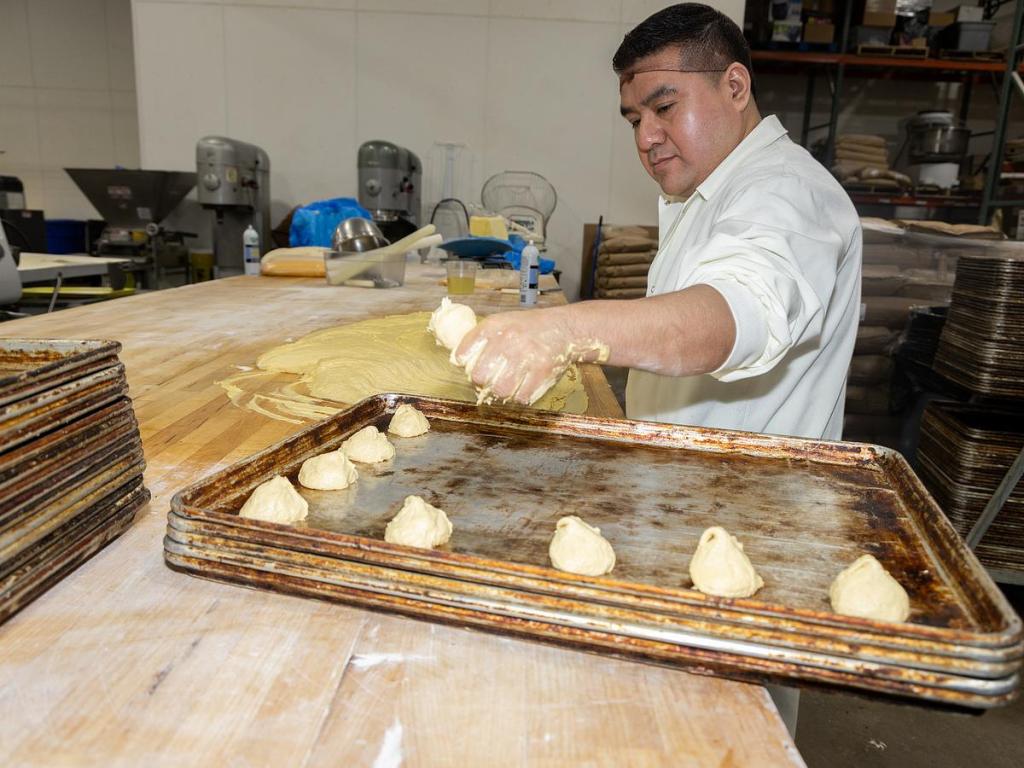
Hector Carrera works inside the Pancho Anaya bakery at 40 S. Garnett Road Feb. 20, 2026. Credit: Tim Landes / Tulsa Flyer 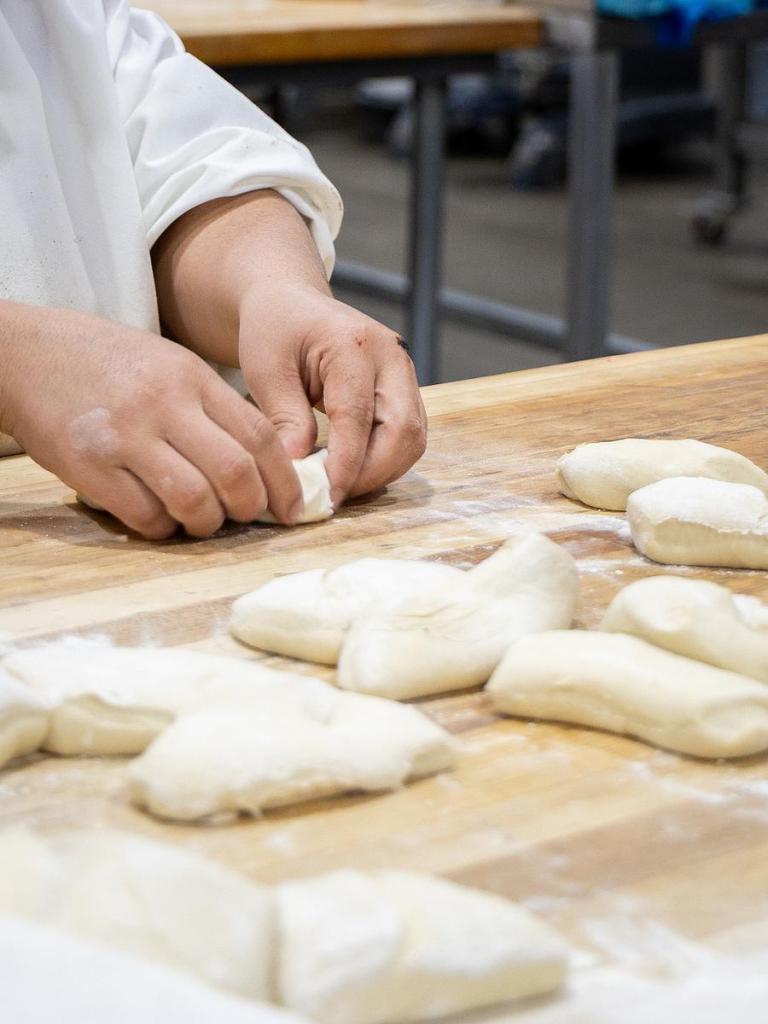
Goods are being made inside Pancho Anaya’s bakery at 40 S. Garnett Road on Feb. 20, 2026. Credit: Tim Landes / Tulsa Flyer 
Goods are being made inside Pancho Anaya’s bakery at 40 S. Garnett Road on Feb. 20, 2026. Credit: Tim Landes / Tulsa Flyer
Five ovens are lined up on the far right of the production room, ready for carts of pastries to be placed inside.
Sandoval places a cart with 384 conchas into one of the five ovens that line the production room. Once they’re done, they’ll get loaded into trucks and delivered to locations in Kendall Whittier and east Tulsa. On an average production day, they make about 9,000 pieces of pan dulce, bolillo and buns.
Anaya said she loves how their pan dulce is helping build on the conversation about hard work, family values and traditions in Hispanic culture.
“It’s that if you come to this country, like we did with that dream to grow our family business and continue that tradition, we’ve been able to grow the economy of our own city to create jobs,” she said. “And all of that was really with a dream from my father when he first came here about 26 years ago.”
This article was produced as part of a partnership between the Tulsa Flyer and La Semana, a Tulsa-based bilingual Spanish-English newspaper serving Latino communities in Oklahoma.
News decisions at the Tulsa Flyer are made independently of our board members and financial supporters. Read more about our editorial independence policy here.
