


For many Tulsans, the Dawson neighborhood is an overlooked corner of the city. Once upon a time, it was its own self-sustaining town — centered around a vibrant park and a grocery store that served as the community’s gathering place.
Nearly 80 years after the City of Tulsa annexed Dawson, most stores have closed. Many families have left. Those who stayed are worried about blight and crime in this patch of northeast Tulsa. Elder Dawsonites are few and far between, leaving fading memories for a new generation.
Now the once bustling township is on the verge of new investment. Those with strong ties to Dawson — with stories of gathering at family-owned businesses and running through water sprinklers in the park — are optimistic this is only the beginning.
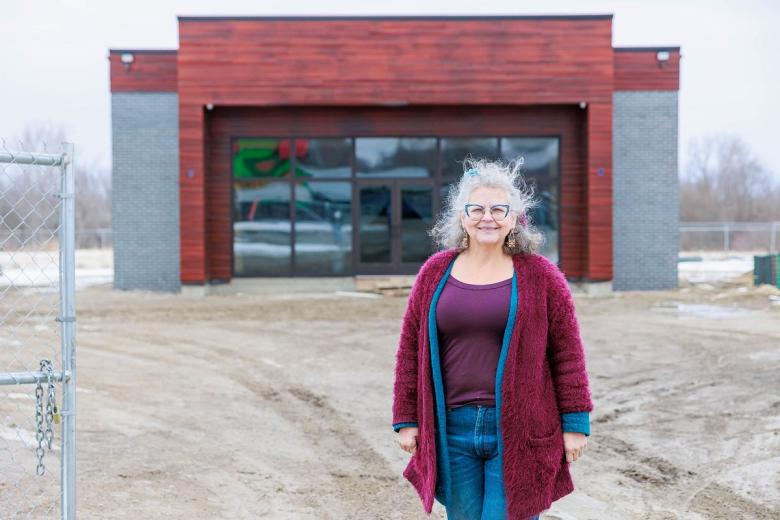
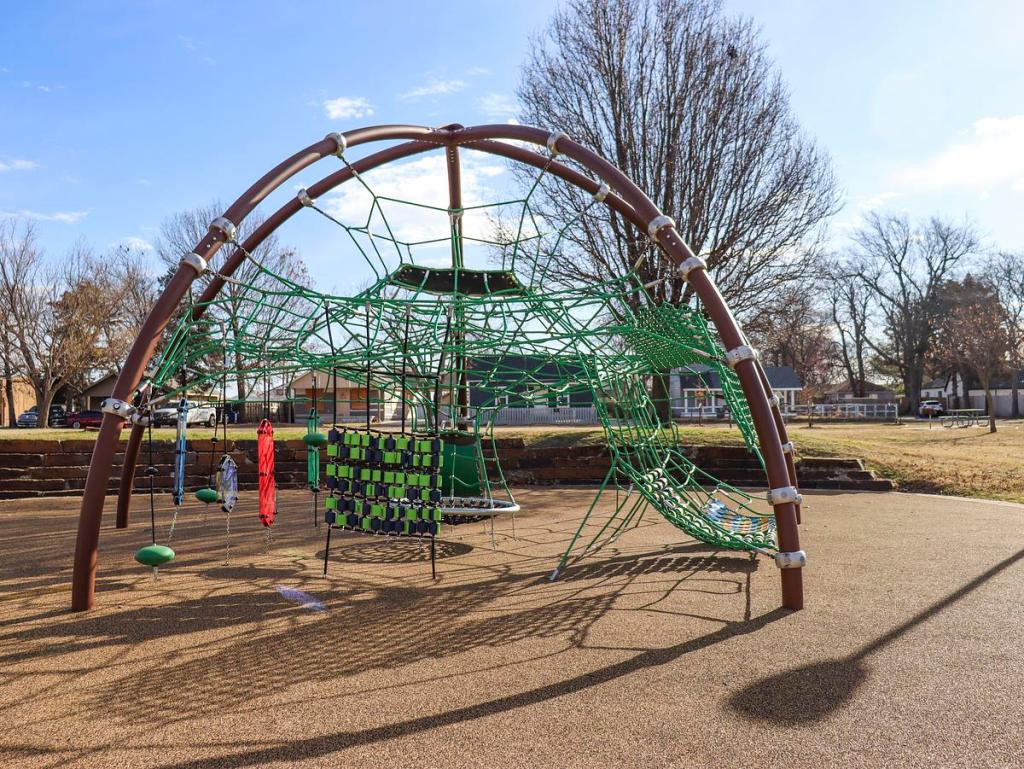
Neighborhood leaders are searching for their next gathering spot with the past and future in mind. Crista Patrick, a former Tulsa City Councilor and “Dawson girl,” thinks it could be a new micro grocery store she helped build. Renee Plocek, a fellow Dawson girl, says revitalizing Dawson Park might just bridge the gap.
“That’s where we would gather during the summer if our parents were at work,” Plocek said of her time playing at the park with Patrick. “It was a safe place. Now, people are more concerned about the homeless people outside taking a shower in the sprinkler.”
Tulsa’s historic Dawson
Dawson is bordered by Yale to the west, Sheridan to the east, Apache to the north and Tecumseh to the south. Its independence was short-lived — incorporated in 1923 and annexed in 1949, but not without a fight.
Thousands of Dawsonites wanted to keep their independent township status. Then-mayor Eugene Calvert said he’d fight against annexation until the very end.
Fifty-one years after they lost that fight, residents gathered to write Dawson’s history. “A Neighborhood History of Tulsa’s Historic Dawson” is a 46-page booklet that details their commercial industries, businesses, gathering places, churches, community groups and more. It includes testimonials from a dozen early Dawson families.
Family-owned grocery stores and service stations were the town’s heartbeat. Shirley Baker Ware wrote about Alva’s Garage, a repair shop, and how Alva himself would let men gather to play dominoes and spit tobacco there.
“There was not too much to hurry for in those days,” she said in the booklet.
A dwindling spirit
“When they took the post office, they moved the bus, and then we, shortly thereafter, lost our grocery store, the neighborhood really started dwindling,” Patrick said.
She says she has to be careful with her words. Dawson residents are very proud and often don’t ask for help. They’re not poor, Patrick said, but poor of opportunity and resources. It’s got a long history, but she thinks it’s become somewhat forgotten.
Some of Plocek’s favorite people were the ones she grew up with, and even still she thinks they’ve grown closer over the years and remain a tight-knit neighborhood. The neighborhood association used to host a carnival at Dawson Park with food, games, raffles and the fire department’s water hoses.
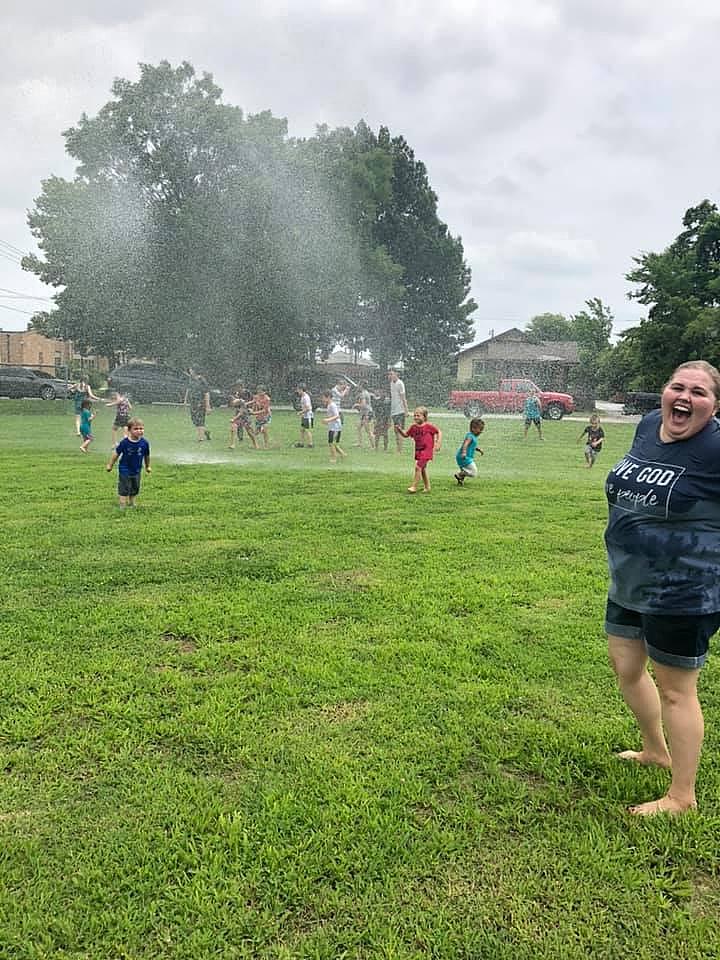
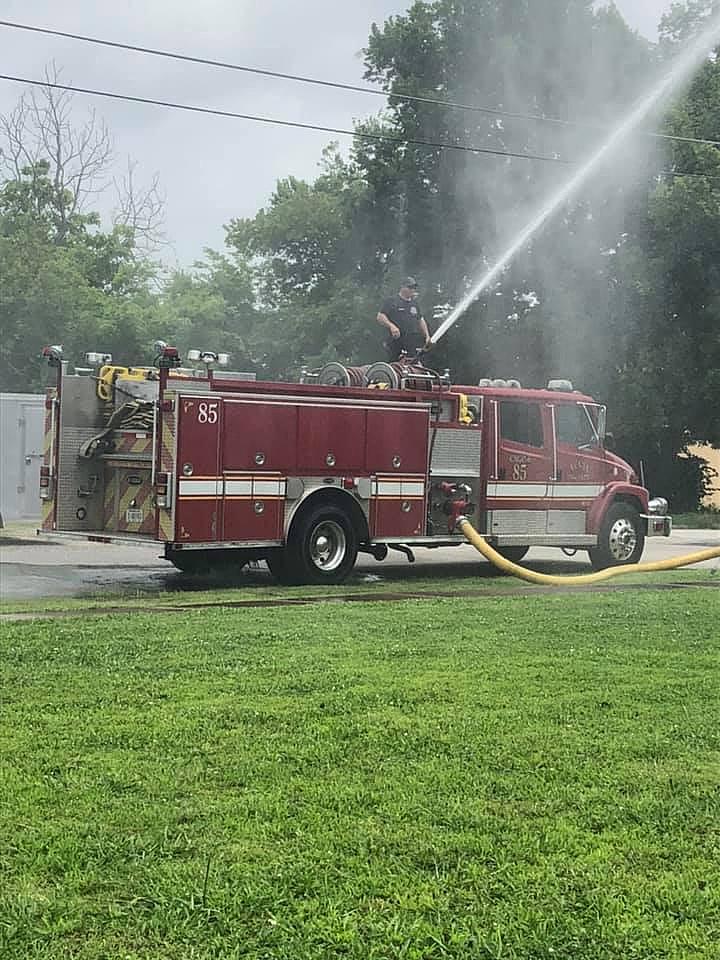
But there hasn’t been another carnival since the pandemic. Plocek, who is now president of the neighborhood association, suspects many people left Dawson because they thought it’d grown a bad reputation. Just last week, she filed six cases with the City about problem properties.
Infrastructure improvements are coming soon along with three new residential builds. Patrick is excited, but Plocek is not, saying the city should do better at cleaning up the current problem areas.
“I think people don’t care about the community like they used to,” Plocek said. “And the sad reality is, even my generation is getting older now. So the chances of my kids caring or my kids’ kids caring is not very likely.”
The new vision
A new micro grocery store is in the works too. The Bazaar will have a food truck court with free meals for children, a community garden and internship opportunities for students, among other resources.
Tulsa Metropolitan Ministry developed the store’s concept and received $500,000 in city funding to make it a reality. It was supposed to open last year but various weather or infrastructure delays held things up, according to Aliye Shimi, CEO of TMM. It’s now set to launch March 13.
“I want to be able to see those kids out here. I want to be able to see neighbors out here just hanging out, eating, laughing, gathering, playing music,” Shimi said.

Patrick, who serves as executive director of TMM, says most Dawson residents are cautiously excited about the store. Plocek is mostly cautious, saying residents are nervous about theft. She pointed to their dollar stores on Yale and Sheridan, which she thinks are not well kept.
All Dawson residents, plus those living within a half-mile radius, get free membership to the store. Others have to pay $25 a year, which owners say will help them reduce theft and know who’s coming in and out of their doors.
“I think you need more than a grocery store to make improvements in Dawson,” Plocek said.
Still, she hopes the store will be a segue for more investment in the neighborhood, but she doesn’t want to see Dawson sold to people “buying things up.” Plocek would rather bring back the summer carnival or start new activities to rekindle community connection.
“We want Dawson to be successful,” Plocek said. “At the same time, they’re not willing to just let Dawson go to people who don’t care about the history, like we all do.”

Patrick’s been all in since the beginning. She led meetings with her neighbors, asking what they wanted the store to be — a connecting spot, she hopes. She’s now in talks about hosting a senior and student board game night since she heard they both, apparently, like dominoes.
“They’re going to have to see that it’s safe,” Patrick said. “We’re really trying to think of ways that we can, within that space, be able to foster activities that would bring people together.”
News decisions at the Tulsa Flyer are made independently of our board members and financial supporters. Read more about our editorial independence policy here.