

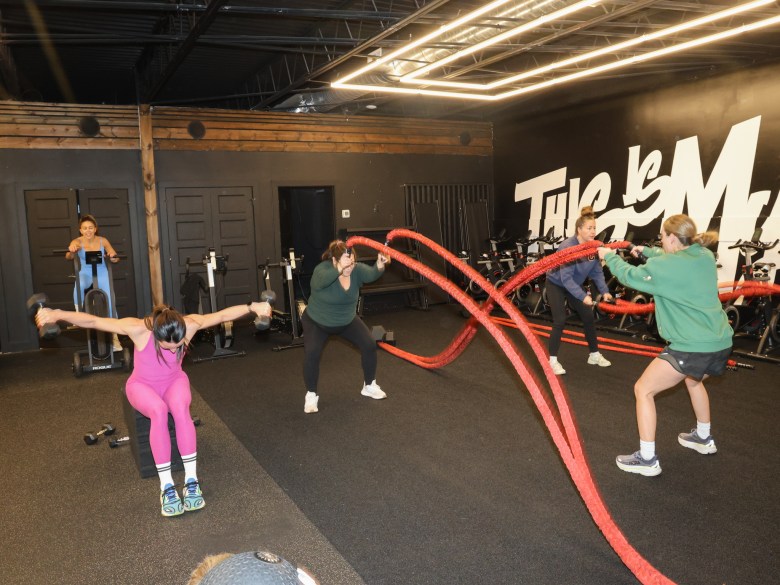
Neighborhood gyms are transforming the way Tulsans experience fitness. From women and queer-centered strength training to punk rock garage vibes and high-energy small-group classes, each gym offers its own version of community.
Here are five boutique gyms that are redefining the small business fitness scene.
Mid-City Strength & Fitness
4522 E. 51st St., Suite 117
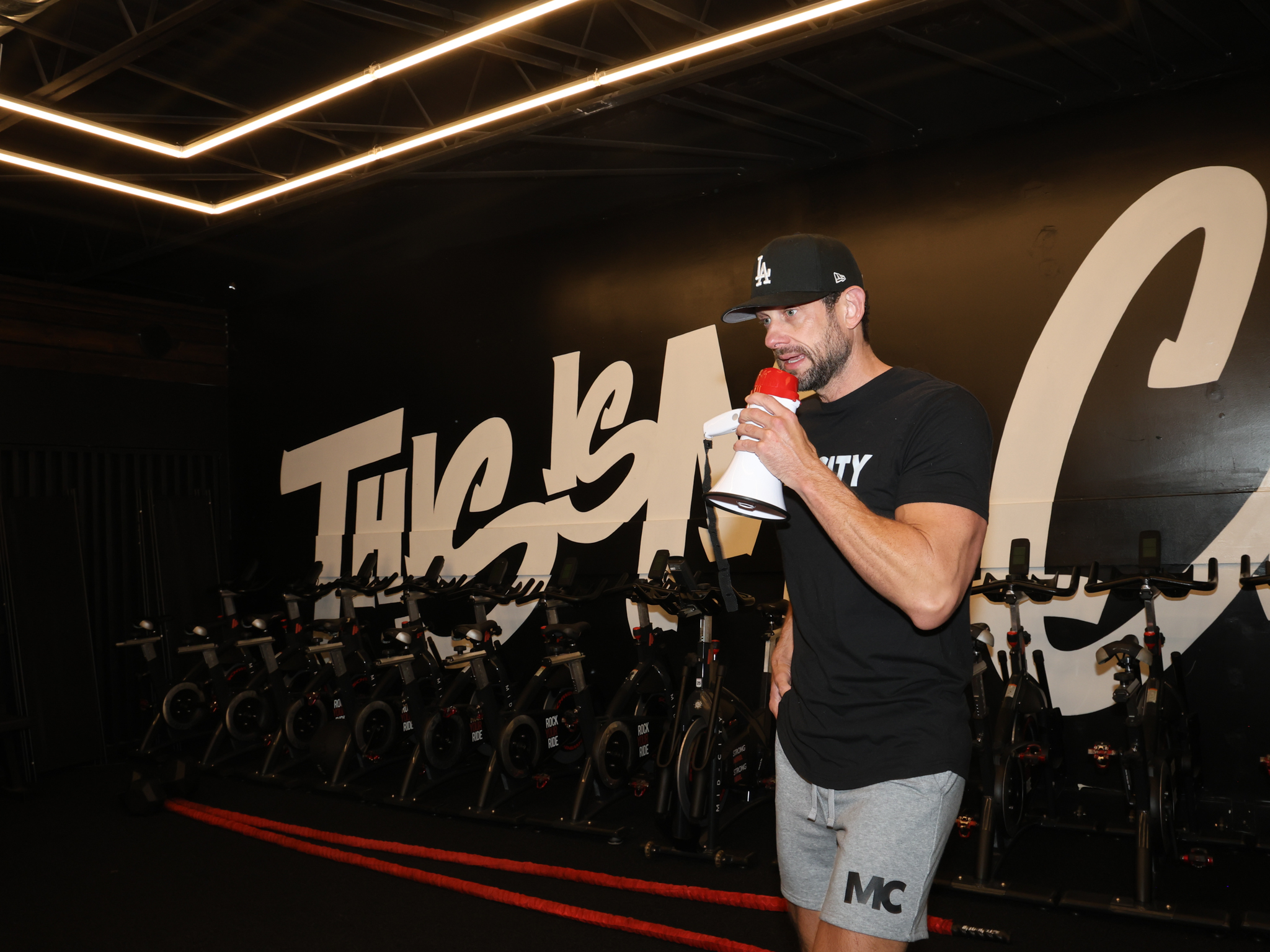
Mid-City Strength & Fitness started in 2020, when founder Scott Ayres built a garage gym at home after having a less-than-enjoyable experience at a big box-style gym. When the pandemic hit, people started coming to his garage to work out since they couldn’t train anywhere else. Ayres became a certified trainer, working with clients in his garage for fun and organically turning the hobby into a business.
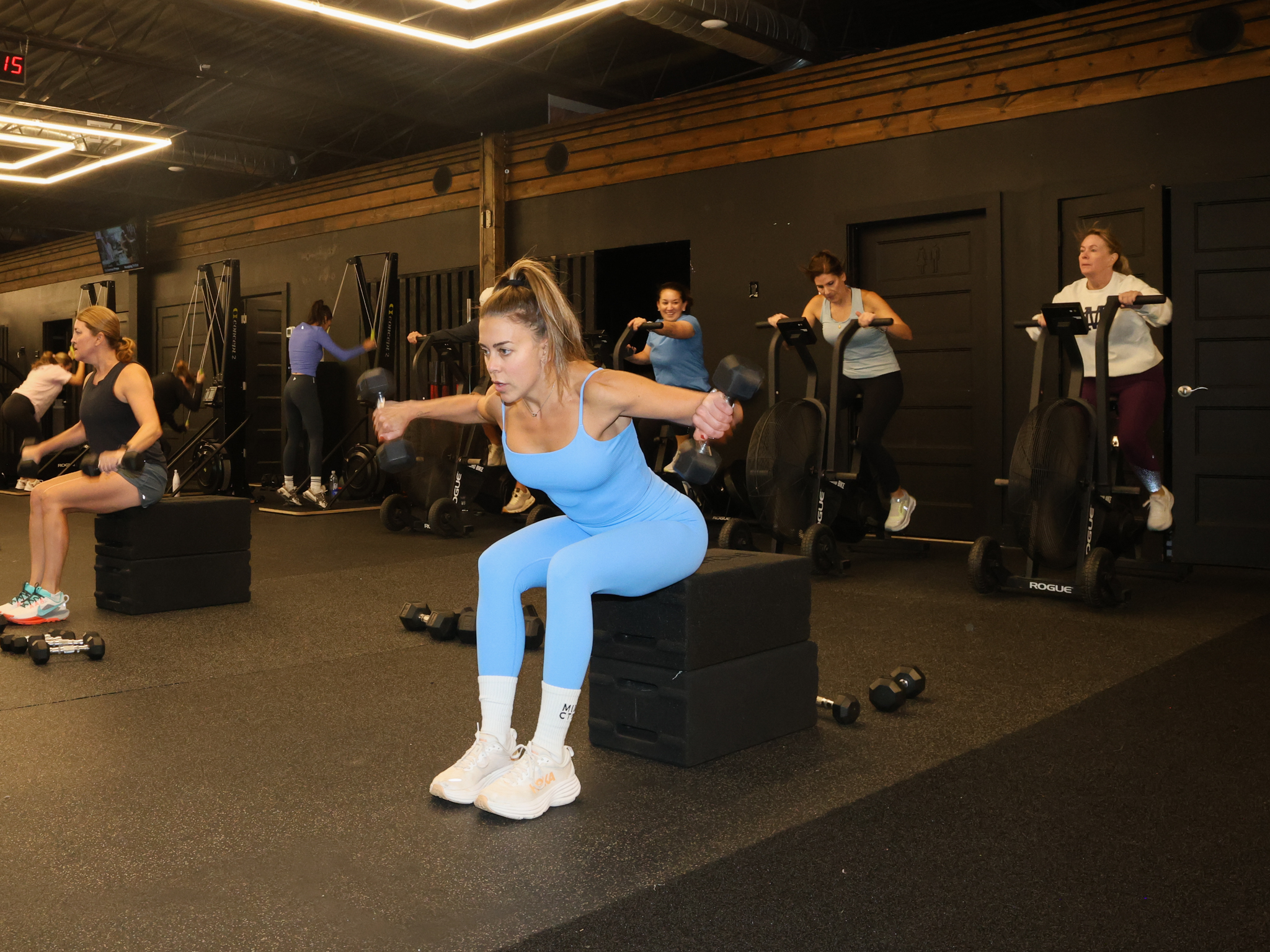
Today, Mid-City has grown from 1,200 square feet to 12,000 square feet, now occupying nine bays in the same complex. They offer a unique style of training called “flex-training.” Instead of traditional class times, the small-group strength area is open throughout the day with coaches always on the floor. Members can show up at any time, and a coach will plug them into the day’s strength workout.
Mid-City is basically two gyms in one. In addition to the small-group strength element, it features a “club side” with a full weight room, cardio equipment and a red-light sauna. They also run cardio-based “mayhem” classes and indoor cycling classes.
The gym balances a high standard of fitness and results with a strong ethos of acceptance and encouragement at each person’s own pace. While the space can seem intimidating due to the overall high fitness level among members, the environment is nurturing, encouraging and welcoming, especially once people step inside.
MYSIDE FITNESS
5505 S. Mingo Road, Unit G
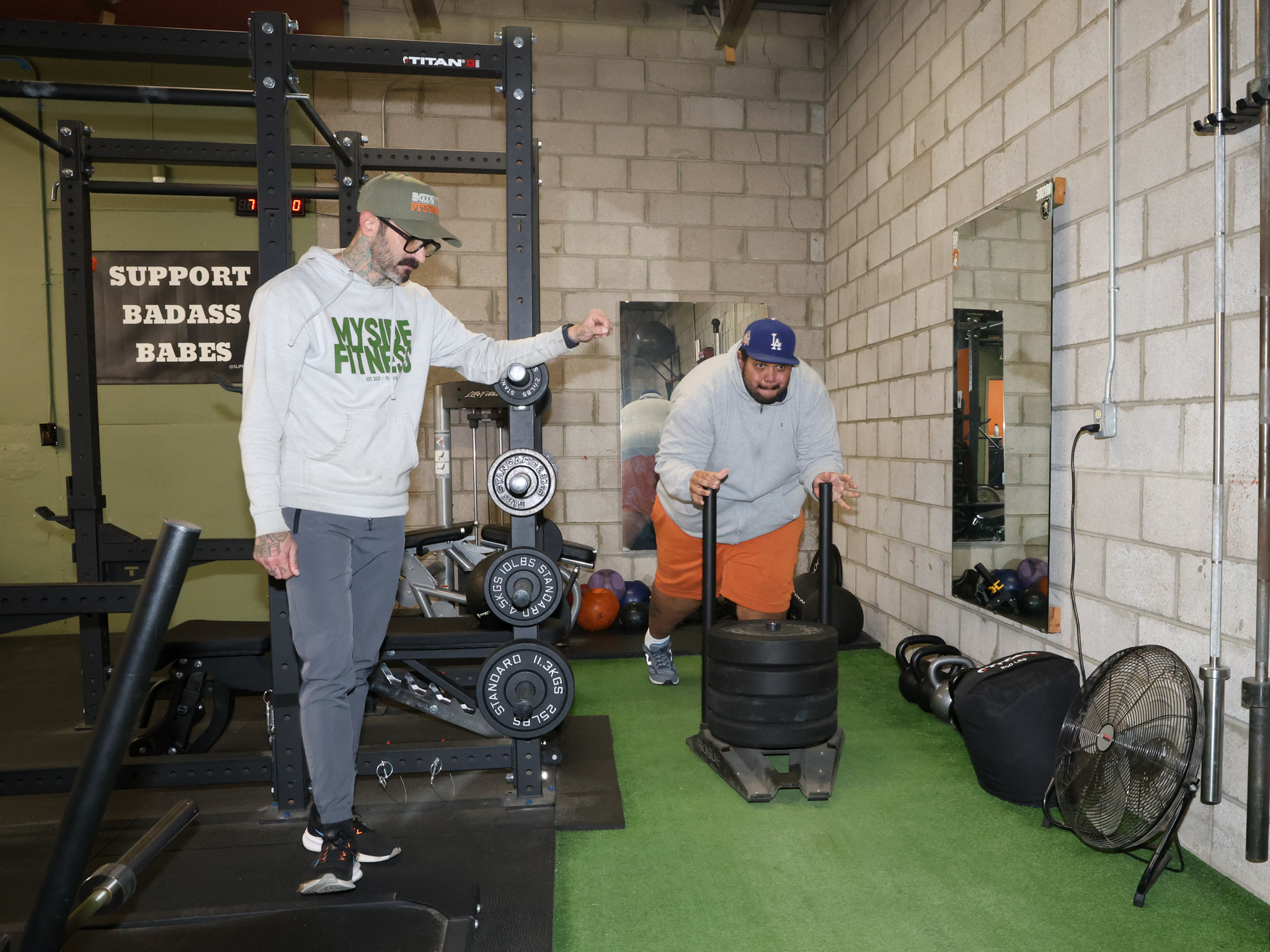

MYSIDE FITNESS also has its roots in the pandemic, when founder Joseph Dufresne began training people outside at a park on Riverside and offering boot-camp style sessions. By September 2020, he signed a lease on his first retail space. He eventually moved into a warehouse space, where he’s been for about three years.
Dufresne is the only employee, offering one-on-one sessions with set weekly schedules and flexible programming tailored to each client’s needs and abilities. In addition to personal training sessions, clients can purchase an optional gym membership add-on. With the membership, they can come in during off-hours to train on their own.
MYSIDE’s culture and aesthetic reflect Dufresne’s experience traveling in punk and hardcore bands around the country during his 20s and 30s. Skulls, punk rock imagery, a gritty DIY feel and lots of rock and roll combine to create a unique energy.
The environment brings clients together, often chatting about bands, clothes and life, allowing friendships to bloom in the overlap between sessions. Dufresne described the vibe as everyone pushing each other along, genuinely stoked to see others succeed.
While he does attract some folks from the punk rock music community, the gym itself is not exclusive to that subculture. Dufresne works with all kinds of people, from grandmothers to endurance athletes.
He emphasized how neighborhood gyms like MYSIDE make it easier for gym-goers to get themselves out of bed and do the work by fostering an environment where members know they will see people like them — and find a sense of belonging as they work toward their goals.
Sweat Club
1515 E. 7th St.


Sweat Club is a women’s-only, queer-inclusive gym serving populations that are often overlooked in mainstream fitness. Founder Jessica Sprenkel describes the gym’s vibe as fun and inclusive. If your primary goal is weight loss, Sweat Club probably isn’t for you.
For many of its members, Sweat Club has become an important third space. Some people even come on days they don’t feel like working out, just to spend time in the community. Outside of working out, Sweat Club hosts a variety of groups, including a queer and trans group, craft and creativity groups, a walking/running group and a book club.
Sprenkel has structured Sweat Club’s offerings to reduce barriers to showing up. They offer an open gym with 24/7 keypad access, small group strength classes and semi-private personal training. Instructors and trainers emphasize full-body autonomy. If you don’t want to do something, they do not yell at or pressure you. Instructions are suggested, not enforced.
Sprenkel believes Tulsa has many great small gyms that provide third spaces where people regularly see the same faces. These spaces help people become woven into each other’s lives, she said. Neighborhood gyms offer a support system outside of work and family. They are particularly important for marginalized groups and people living through an emotionally turbulent world, according to Sprenkel.
Physiques by Monique
1314 S. Peoria Ave.

Monique Washington has been an athlete her entire life. In 2013, she opened Physiques by Monique, fulfilling her long-term goal of starting her own fitness facility.
Physiques by Monique offers both one-on-one personal training and group classes. While it was originally launched as Tulsa’s first indoor cycling studio, the gym now places a major emphasis on strength training for women, especially for those over the age of 30, when bone density and muscle mass begin to decline.
The gym offers drop-in rates, monthly memberships and ClassPass, which the studio embraces to encourage clients to diversify their fitness routines.
Washington emphasizes the gym was intentionally designed to feel like “coming into our home.” She describes the atmosphere as warm, welcoming and non-competitive. Since life is already full of competition, fitness spaces should prioritize joy, support and camaraderie, Washington said.
Physiques by Monique also offers programs meant to lower barriers to fitness and provide social connection, such as 5 a.m. classes to serve early-morning exercisers, weekly free Sunday spin class and a free Couch-to-5K program that meets at the studio.
After a recent colon cancer diagnosis and 16 months of treatment that prevented her from exercising, Washington reframed how she talks about fitness. For her, movement is a privilege and a vital investment in long-term health and family. She urges clients to shift from “I have to work out” to “I get to work out.”
LEAGUE Studios
4329 S. Peoria Ave. Suite 320
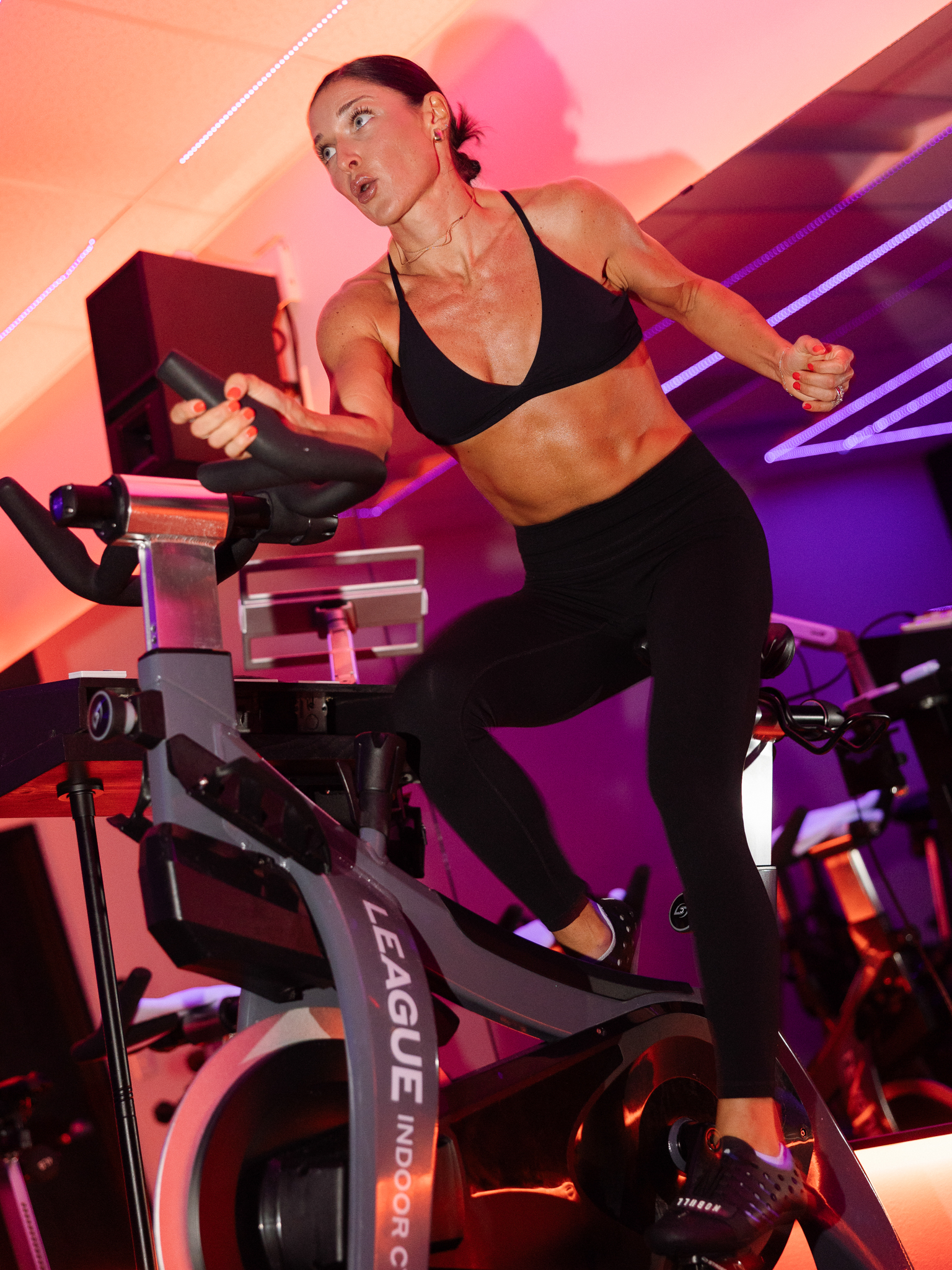

Realizing they had aligned visions for elevating the fitness scene in Tulsa, LEAGUE co-founders Erin Miller Thiessen and May Segovia opened the indoor cycling and strength training studio in 2023.
As a small, female and minority-owned business, LEAGUE acknowledges the importance of staying closely tuned to what Tulsa actually wants and needs in a fitness space.
Thiessen takes pride in the strong sense of team and belonging at LEAGUE, emphasizing that it genuinely feels different from other group fitness environments she’s known. The brand’s signature “X” symbolizes the intersection of music and movement: a connection to rhythm, beat and moving in unison with others.
LEAGUE offers three different membership options: all-access unlimited, cycle-only unlimited and train-only unlimited. They also offer practice packs for those who don’t attend often enough to justify unlimited. These do not auto-renew; people buy them as needed.
Thiessen emphasizes safety and inclusivity as the foundation of LEAGUE’s community-building. While group fitness can feel intimidating to newcomers, LEAGUE aims to deconstruct that intimidation and make it easier for any person from any background to walk in and feel welcome. The emphasis on a safe environment allows members to explore the edges of their physical and mental capability while still feeling supported.
Sarah Kate Synar is a freelance contributor to the Tulsa Flyer.
News decisions at the Tulsa Flyer are made independently of our board members and financial supporters. Read more about our editorial independence policy here.