


Finding new ways to save on your energy bill isn’t easy, especially with a possible PSO rate increase on the horizon. But knowing how to read your bill and where your dollars are going is an important first step.
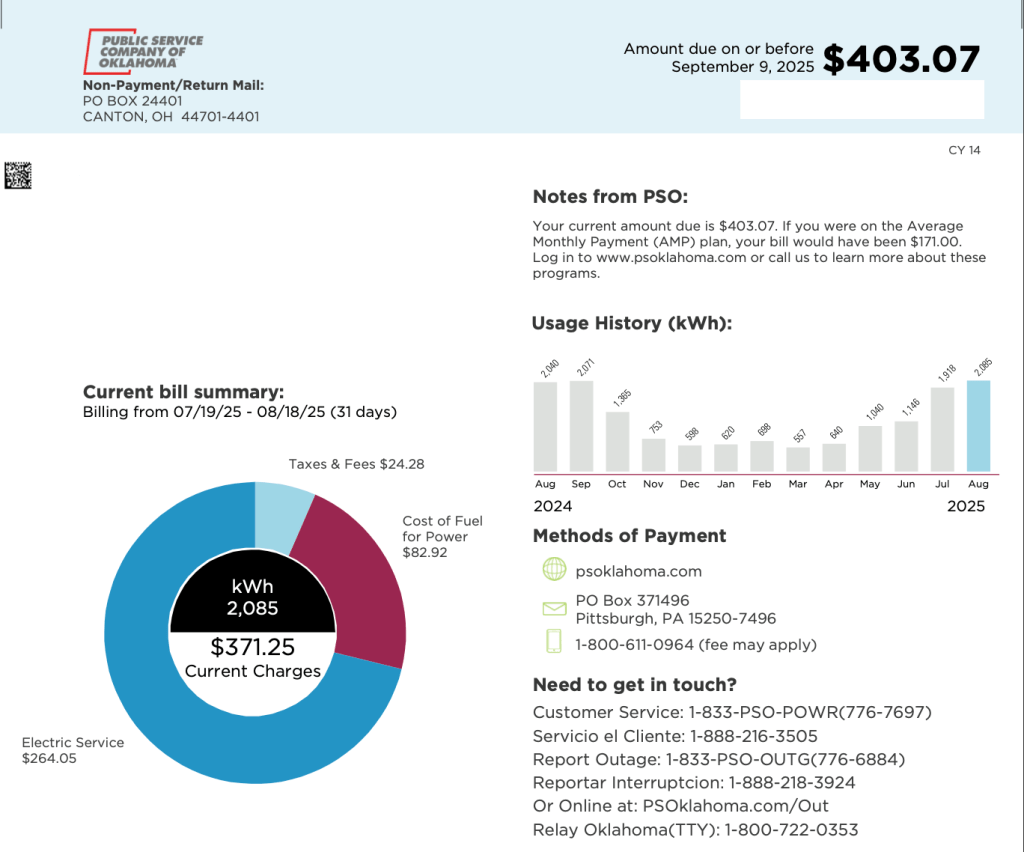
How is my energy usage calculated?
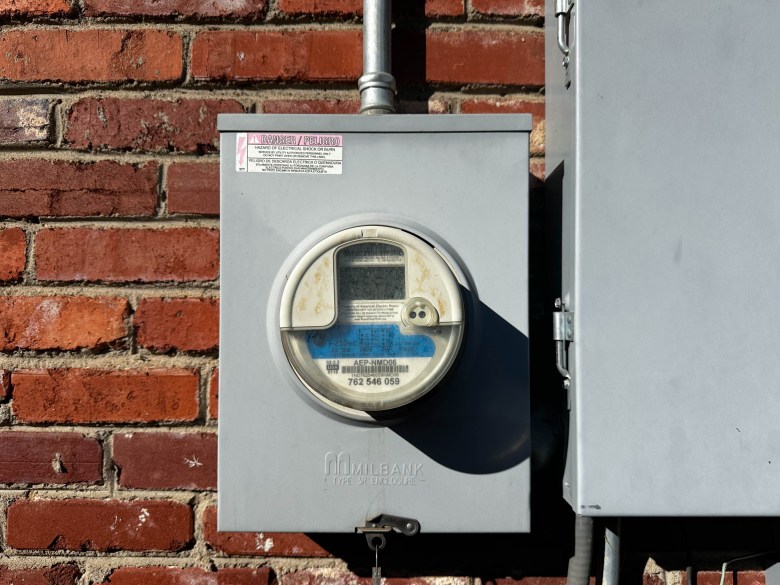
It’s tracked by a meter connected to your home or business. The meters measure the amount of energy appliances use over time in kilowatts per hour. For example, running your dishwasher for one hour might use one kWh. PSO receives this data to tally up your usage.
What do the individual charges mean?
While each bill is different because each home uses a different amount of energy, there are a few lines that everyone should have: tariff, rate billing, cost of fuel power, winter storm cost recovery rider and other taxes and fees.
In the example below, there is also a line for “previous charges.” This is any amount carried over from a previous bill that will be added to your current bill and due at the same time.
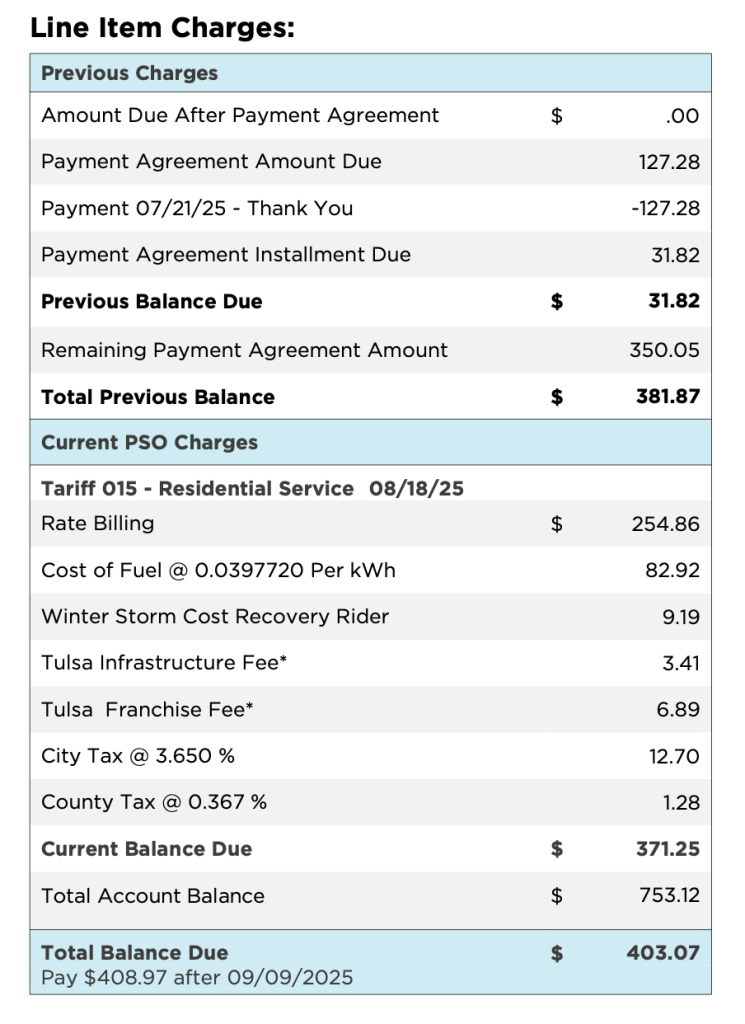
Tariff 015 – Residential Service
A tariff is the rate applied to the customer for costs of using service. PSO says more than 95% of residential customers use the rate seen above. Others might be using a different rate for solar, for example.
This bill shows a rate with a base service charge of $17 plus additional costs for usage. Usage costs vary depending on whether it’s on-peak season (June through October) or off-peak season (November through May). Rates are reviewed and approved by the Oklahoma Corporation Commission (OCC).
Rate Billing
Your rate billing line reflects the cost of producing said electricity based on the amount of energy you used in that given month and delivering it to your home or business. It fluctuates based on usage and demand, with variations over the season.
When it comes to that potential rate increase, this is the line that would likely be affected.
Cost of Fuel @ 0.0397720 per kWh
The cost of fuel for power is exactly what it sounds like — the cost of natural gas, coal and other purchased power used to generate the electricity you used.
As shown above, the cost is 0.0397720 per kWh. This rate changes with the price of fuel.
Winter Storm Cost Recovery Rider
In September 2022, OCC approved the Winter Storm Cost Recovery Rider charge to recover costs from the Winter Storm Uri in February 2021. It’s mainly used for natural gas and power purchases.
You’ll see this on your bill until 2042.
Other charges
There are also a set of other charges from local government agencies. The infrastructure and franchise fees provide revenue to the city and in return allow PSO to access public streets to operate the power grid.
These fees are set by cities and voted on by residents. The city and county taxes are a percentage of your bill and go to city and county services.
If you’re struggling to pay your bills, there are resources on the PSO website for bill assistance and energy-saving programs that can help customers lower their monthly electric costs. For example, you can get a partial refund for certain energy-saving appliances.
“We’re happy to help customers understand their bills and provide resources and payment assistance programs to help them manage their bills,” said Matt Rahn, region communications manager for PSO. “The Understanding Your Bill page is a great resource to break down what customers see on their bill and what that means.”
News decisions at the Tulsa Flyer are made independently of our board members and financial supporters. Read more about our editorial independence policy here.
