


CORPORATION COMMISSIONER CANDIDATES

Donald Anthony Clytus
Democrat
Donald Clytus brings 16 years experience working in state government. He wants to modernize regulatory processes, support innovation in the energy sector and balance economic growth with stewardship of natural resources.
Candidate site: https://www.facebook.com/donald.clytus/
5 years
Director Strategic Planning
20 years in the Utility, Energy Sector have been a core component of my business and Professional Services.
Growing up with a father who was an electrical engineer, I was exposed early to the importance of reliable, safe, and forward‑thinking energy systems. Moreover, the work showed me how deeply infrastructure affects people’s daily lives. That experience shaped my interest in how utilities are managed, how energy policy is formed, and how technical decisions impact communities. It gave me a lifelong respect for the people who keep our power systems running and a desire to understand the challenges they face.
Clytus advocates for modernizing regulatory processes, supporting innovation in the state’s energy sector, and maintaining Oklahoma’s strong tradition of balancing economic growth with stewardship of natural resources. His campaign centers on accountability, accessibility, and a belief that the Corporation Commission should work for every Oklahoman.
Contained in the motivation text above: modernizing regulatory processes, supporting innovation, and balancing economic growth with stewardship of natural resources.
Clytus is a progressive who understands that data centers can build here, but only if they pay their full costs. Taxpayers will not subsidize corporate energy demands.
Companies must commit to 5 core standards
- Funding all grid upgrades
- Securing their own long‑term power supply
- Investing in dedicated or on‑site generation
- Covering all local infrastructure impacts
- Meeting strict environmental and reliability standards
My position is straightforward: any company that wants to build here and reap the benefits should be prepared to cover all its own costs, without exception, and pay every single dollar itself. The environment is the reality that is critical to creating a long-term implementation.
We believe that it’s a good idea to put a temporary stop on new data center projects in Oklahoma. We need to make sure our power grid, water supply, and taxpayers are protected.
These big data centers use a lot of power and water, which can be tough on small towns and local utilities. If we pause for a bit, the state can come up with clear rules. These rules should make companies pay for upgrades to the power grid, find their own long-term power source, use water wisely, cover costs to local infrastructure, and give back to the community.
My view is simple: Oklahoma will only welcome data centers if companies can promise not to pass on their costs or risks to our communities. We’ve seen how large data centers can strain rural substations and local utilities. This causes real problems for the people who live there. By setting clear rules, we can ensure that companies take responsibility for their impact and give back to the community. This isn’t about being against data centers, it’s about being responsible. We need to make sure they benefit everyone, not just the companies themselves.
Oklahoma interests are making companies pay for upgrades to the power grid. We need to be proactive and make sure we’re protecting Oklahoma’s interests. This is about being responsible and making sure everyone benefits, not just the companies themselves.
I would support the responsible development of nuclear energy in Oklahoma, but only under strict conditions that protect public safety, taxpayers, and long‑term energy reliability. The Oklahoma Corporation Commission’s March report found that nuclear generation is feasible, but it also highlighted major challenges.
Targeting, including cost, workforce needs, siting, and regulatory readiness. Specifically, before moving forward, the state must establish strong safety standards, clear financing rules that prevent cost‑shifting to ratepayers, transparent community engagement, and a plan to build the skilled workforce nuclear projects require. In short, nuclear energy could strengthen Oklahoma’s future energy mix, but it must be developed carefully, transparently, and with full protections for Oklahomans.
Yes, I’m all for having strong safeguards in place when it comes to developing nuclear energy in Oklahoma.
We need to make sure that any project is not only safe but also financially responsible and protective of the local communities. This means having strict safety and siting standards, clear rules for financing so taxpayers don’t get stuck with the bill, and transparent engagement with the community before any site is approved.
We also need to have plans in place for workforce development to address labor needs and environmental protections to ensure long-term stewardship.
My stance is straightforward: nuclear energy might have a place in Oklahoma’s future, but it’s only acceptable if it’s developed in a responsible, transparent way that fully protects the people of Oklahoma.
The future is evolving in the Nuclear Energy development, and we owe it to ourselves, our children, and our communities to get this right.
The Oklahoma Corporation Commission’s own reports make the problem clear: rising fuel costs, deferred infrastructure investments, and the rapid growth of large industrial loads are driving up electricity prices for families.
To protect ratepayers, I will push for rigorous oversight of utility spending, requiring every dollar to be justified before it shows up on a customer’s bill.
The Oklahoma Corporation Commission has repeatedly emphasized in its rate‑case orders. I will also insist that major industrial users, including data centers, pay the full cost of the grid upgrades they trigger, rather than shifting those expenses onto residential customers. The OCC has warned that unchecked load growth can raise rates for everyone, and I will not allow Oklahoma families to carry that burden.
Specifically, utilities must operate transparently, large users must pay their own way, and ratepayers must be shielded from unnecessary cost increases.
The Oklahoma Corporation Commission has been under fire lately for some of its decisions. For example, in 2022, they decided to pass on billions of dollars in fuel costs from Winter Storm Uri to customers through long-term surcharges.
There have also been allegations of misconduct against Commissioner Todd Hiett. If I’m elected, I plan to raise the bar for integrity, transparency, and professionalism at the OCC. This means I’ll make sure they follow strict ethical rules, disclose any conflicts of interest, and keep a close eye on how they make decisions about rates. I’ll also ensure that commissioners are accountable to the people, not just utility companies or industry insiders. Additionally, I’ll push for clear explanations of major votes so Oklahomans can understand how decisions are made and who they benefit.
Responsibly, my goal is straightforward, the Oklahoma Corporation Commission needs to prioritize customers, operate with integrity, and regain the trust of Oklahomans. I believe that by making these changes, we can create a more transparent and accountable OCC that truly serves the people of Oklahoma. This is not just about making promises, but about taking concrete actions to restore trust and ensure that the OCC is working for the benefit of all Oklahomans.
The ability is to put ratepayers first and operating with integrity, we can build a better future for our state and its citizens. It’s time for a change at the OCC, and I’m committed to making it happen. I’ll work tirelessly to ensure that the OCC is a responsible and trustworthy institution that prioritizes the needs of Oklahomans. Whether it’s through stricter ethical rules, increased transparency, or stronger oversight, I’ll do everything in my power to make sure that the OCC is working for the people, not just special interests.

RHONDA EASTMAN
Democrat
Rhonda Eastman worked for the state for 16 years before returning to the private sector to work in management. She’s concerned about rising utility costs, abandoned oil and gas wells, wastewater injection sites that pollute vegetation and water sources and tax breaks for data centers.
Candidate site: https://www.eastman2026.com/home
More than 25 years.
Business Management
Over 16 years working for the State of Oklahoma; More than 10 in working in Management of Private sector.
Outrageous utility bills, orphan wells leaking and causing damage, injection wells purging and causing contamination to water sources. It seems as though the needs of the people are not evenly being considered when balanced against the needs of industry. I grew up being taught if you make a mess, clean it up, and do not step on people to advance yourself. These lessons we teach our children; we need to hold industry to the same standards. This will not stop industry, they will still make billions, and they will still come here. They will just have to be better neighbors when they do.
Data Centers; Oil & gas orphan wells; Injection wells. I have concerns with multi-billion-dollar companies consuming resources, and the citizens paying the price. I also want to help small businesses. The trucking industry for example is comprised of mostly small locally owned businesses. Fuel, insurance and permitting fees have taken a huge toll on that industry. Within the power and scope of this office, if there is room to ease those some of those burdens, while maintaining safety, that is something I would want to do.
- Data Centers are very unpopular nationwide. Instead of giving them discounts on their Ad Valorem Tax (85% for 25 years for the Meta Center in Tulsa) they should get no discounts.
- They would be required to absorb all of the infrastructure upgrade costs, none of it would be passed on to customers. Historically, upgrades as they are needed get shared amongst the customers, but most cities typically do not add hundreds of thousands of homes per year, which is roughly comparable to what a Data Centers energy needs are. I would also require that they provide supplemental energy production, to feed the grid. With periodic inspections by the Corporation Commission.
- Water consumption: I have serious concerns about the water consumption of Data Centers, as well as the wastewater production. All data centers should be closed loop including existing ones. Google reported revenue over 400 billion dollars for the year of 2025. They also reportedly consumed over 1 billion gallons of water in a year at their Pryor Oklahoma Data Center and produced 253 million gallons of wastewater that was discharged back into the Neosho River.
Industrial wastewater can be treated and recycled. The cost of building a plant to recycle industrial wastewater is a tiny fraction of the profit these companies make. There are many industries that produce wastewater including Oil and Gas, another multi-billion-dollar industry, that they do not want. Oklahoma, Texas, and New Mexico Oil and Gas companies produce Billions of gallons of wastewater yearly, with most of it being injected back into the ground. Considerable reports of these injection wells purging, causing considerable contamination to land, and water.
These companies have the profit revenue to develop systems to not only reduce use, but treat and reuse their wastewater. That is something I would insist from Data Centers going forward, as well as determining if it is something we could phase in to existing Data Centers. These companies have profit revenues in the Billions; they can spend some to be better stewards of our resources.
- Some studies have shown that Data Centers also create air pollution. There have been reports that in areas where Data Centers are located respiratory illness, and a rise in medical visits for those with chronic pulmonary conditions. I would want to ensure Data Centers are not creating air pollution.
- Being a “neighbor” of a Data Center has even more drawbacks. Property values for homes near Data Centers take a huge hit. Citizens that live within a determined mile radius (Residential area impacted by lowered property values) should be compensated. This could be accomplished by way of either property tax subsidy or utility subsidy paid by the Data Center.
- Technology evolves rapidly, any changes the business that would change the original construction plans, energy needs, water consumption needs, wastewater production, would require detailed plan submittal, inspection and approval by the State.
- Equipment upgrades or replacement would be required to have a recycling plan.
- If the Data Center were to want to sell the location to another company, the Corporation Commission would need to review the plan, inspect the property, and give approval for the sell.
- If the Data Center were to ever Decommission the site, all machinery, components, electronics, etc would need to be removed and either sold or recycled. The property would have to be maintained as long as it remains empty. The Corporation Commission would be given authority to inspect the property periodically until a new business were to occupy the space.
Yes. We have learned some hard lessons with other industries that we have allowed to do what they want with our land, water and resources. Some messes the State and by extension taxpayers are still paying the price for. I would not want to make those same mistakes with Data Centers. Review the issues we see with our existing Data Centers, and make sure all concerns are being addressed and dealt with before allowing more.
I have concerns regarding radioactive waste, the costs to develop a nuclear power plant, and dangers with the spent fuel storage particularly given the seismic activity in Oklahoma.
My biggest concern for nuclear development is the radioactive waste. This country has backburnered a permanent disposal site, and until that time comes, I would not be on board with nuclear power development. Injection wells for Oil production was supposed to be a temporary solution until a better alternative came along. Decades later, we are still dealing with the issues of that temporary solution.
There are several factors that caused the increase, increased fuel costs, winter storms, but when you factor in the infrastructure upgrades and needs of Data Centers on top of that, it is driving costs up even more.
The first we should tackle is the Data Centers. HB2992 that recently passed did not address any existing centers, or ones in development, no retroactive language at all. It only addressed future Data Centers. It also did not address water usage or wastewater concerns. I believe this legislation put forth by Representative Boles, who is also running for Corporation Commission, was token legislation put forth in response to the public outcry surrounding Data Centers. It enables him to say he did “something.” We need to do more. I have spoken to many Democrats running for seats in our Congress and Senate to replace their Republican counterparts, and hopefully after November we will have new bills that will be put forth to actually address the costs that Data Centers have created that have been passed down to customers. These for-profit companies generate Billions of dollars yearly in revenue. They could offset utility increases that have been passed on to customers by way of a subsidy.
There have been a considerable amount of sexual misconduct and assault allegations among politicians in this state and nationally. Any elected official accused of sexual misconduct should be suspended until an investigation is completed. If impeachment proceedings are warranted, I would support that. If the conduct is of an illegal nature, I would also expect the Attorney General’s office to pursue criminal charges. Elected officials are hired by the people, not party. Many politicians have forgotten that.

HAROLD D. SPRALDING
Democrat
At 91-years-old, Harold Spradling is an ordained minister. He has worked as a school counselor and substitute teacher in Oklahoma City, and has some experience working in the oil and gas industry.
This candidate did not respond to the Flyer’s survey request.

BRAD BOLES
Republican
A state representative, Brad Boles co-founded Philtek Services, which now employs over 100 people in eight states. He wants to ensure fair utility rates, strengthen Oklahoma’s energy independence and streamline regulations
Candidate site: https://bolesforok.com
Lived in Oklahoma 40 of my 42 years of life.
Small Business Owner/State Representative HD 51
MBA in Finance, Leadership experience in running multiple small businesses that have been recognized in Inc 5000 Magazine as fastest growing private companies in America, State Representative for 8 years currently serving as Chair of the House of Representatives Energy Oversight committee, Involved in local community with being former Mayor, School Board Member, Chamber President. Deacon and Treasurer at First Baptist Church Marlow.
The Corporation Commission regulates approximately two-thirds of our state’s economy and is vital to the future success of our state. I want to bring my private sector, legislative and leadership experiences to the Corporation Commission to help ensure that Oklahoma remains a national leader in the energy industry which is not only important to our state’s future but also our national security.
- Ratepayer Protection
- Grid Reliability
- Support Oil and Gas Industry while at same time ensure proper consumer protections
I am the House author of HB2992 Data Center Ratepayer Protection Act, which passed the Oklahoma Legislature unanimously this year that provides ratepayer protection to consumers by making the large load users pay for all their infrastructure costs. I also was the House author of SB480 last year which was called the Behind the Meter bill that allows large loads to build their own infrastructure off the grid which also protects ratepayers. These two policies are getting national recognition in ratepayer protections and other states are starting to emulate our Oklahoma energy policies. I will continue this same approach if elected to the Oklahoma Corporation Commission.
I do not support a statewide data center moratorium. I think at the state level we need to ensure proper protections are in place with ensuring data centers do not drive up the utility prices of Oklahoma consumers which we passed into law this year. We also need to ensure we have proper protections in place in terms of water consumption which I co-authored a bill this year to require data centers to use a closed loop system or air cooling method which significantly reduces water consumption. Ultimately, I think it should be up to the local community/county on whether they approve data centers as it may be a good fit in some areas and not a good fit in others.
I was the House author of the Nuclear Energy Feasibility Study Bill that passed the legislature. I think nuclear energy has a huge potential in the future especially with the Small Modular Reactors (SMR’s) but at this point it is still not economical source of energy compared to other sources such as natural gas. I do think over time as there are more SMR’s deployed, the cost will come down and once they become more economical then I would definitely support that technology which is a reliable baseload and very clean form of energy as well. We just need to also ensure we continue to vet the public safety risks that go along with nuclear energy.
The new advanced SMR technology is much safer than the old nuclear plant technology but we need to do more research to ensure all public safety concerns are vetted. The US military has been using nuclear for many decades and partnering with them on this makes economical sense on many levels.
Ensure large load users pay for all their infrastructure costs so that it doesn’t drive up everyone else’s cost is first priority. Secondly, ensure we are using most economical sources of energy production that also have adequate baseload for grid reliability.
I have a 8-year track record of professionalism in the legislature and 20 years in the private sector. I want to bring integrity and transparency to the OCC just as I have done in my own private sector businesses as well as for my House District that I have represented in the legislature. It’s important for whoever wins this Corporation Commissioner race to remember that we work for Oklahomans who elected us and not the other way around.
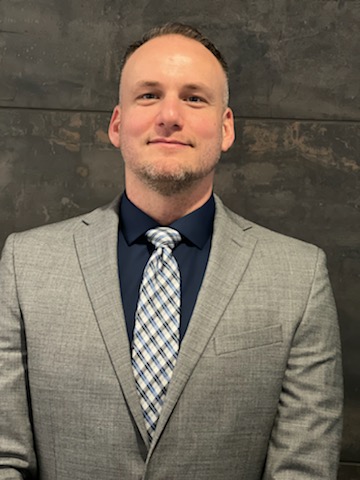
JUSTIN HORNBACK
Republican
A pipeline welder and welding inspector, Justin Hornback wants to use his expertise to serve on the commission. He wants to make it easier to communicate concerns with the commission, protect consumers and promote economic opportunities while safeguarding Oklahoma’s resources.
Candidate site: https://www.hornback2026.com
12 years in Broken Arrow
Pipeliner
Over 20 years experience in the pipeline industry working with contractors and clients to build and support permitting for projects throughout the US. Working with lawmakers to push for permit reform, reverse DOT oversight of welding rigs(Section 5524 of the FAST Act), and promoting career opportunities in the trades for kids graduating looking for a successful career.
Lack of transparency from the OCC and the events of winter storm Uri and how it was handled.
Increase communication to enable the public to better understand and participate. Protect Ratepayers with proper audits and working with Legislators to enable proper guardrails are in place. Bring experience to the Commission and fresh perspective to bring common sense regulation to repeal the red tape holding Oklahoma back.
They would need to pay for their full energy generation needs and infrastructure costs, or generate power onsite. On top of initial costs, these companies need to be willing to scale down power usage in states of emergency (such as winter storm Uri) instead of driving up costs. That would enable much more stable energy costs for ratepayers.
I support each County to decide if a moratorium is in the best interest of the community. As a Conservative, I do not support State-wide mandates that take away the power of the communities to make these decisions.
Yes. As the only candidate that has worked inside nuclear facilities throughout the US, I believe nuclear would be a great addition in Oklahoma.
Yes. I would work with the NRC to determine best practices.
Cost of Natural gas fluctuations create energy spikes, with prices up to 50% more in some months. Political influence and International events will make costs fluctuate, but there are ways to stabilize costs, such as promoting private development of pipeline infrastructure to connect more markets. Looking at an all-of-the-above energy approach without tax-payer subsidies, and working with Legislators to push a more common sense approach to energy at the State and Federal levels.
Yes, and I have spoken about increasing integrity multiple times in the past. I believe it also incorporates campaign integrity, and not financing campaigns with donations from PACs, lobbyists, and owners or board members of companies that would benefit from decisions made at the OCC. This is what sets my campaign apart from other candidates. I believe in being held accountable for actions, and am the only candidate that prints his personal cell on signs for anyone to call. Transparency is the highest priority I will stand by, ensuring everyone in Oklahoma has knowledge of what goes on at the OCC. Nothing should be determined behind closed doors … On a personal note, I don’t drink.